Engineered Implant & Trauma Fixation Systems
Directly manufactured to withstand high cyclic fatigue, our clinical portfolio delivers high biocompatibility, precise anatomical contours, and complete surgical instrument support for complex joint arthroplasty and trauma reconstructions.
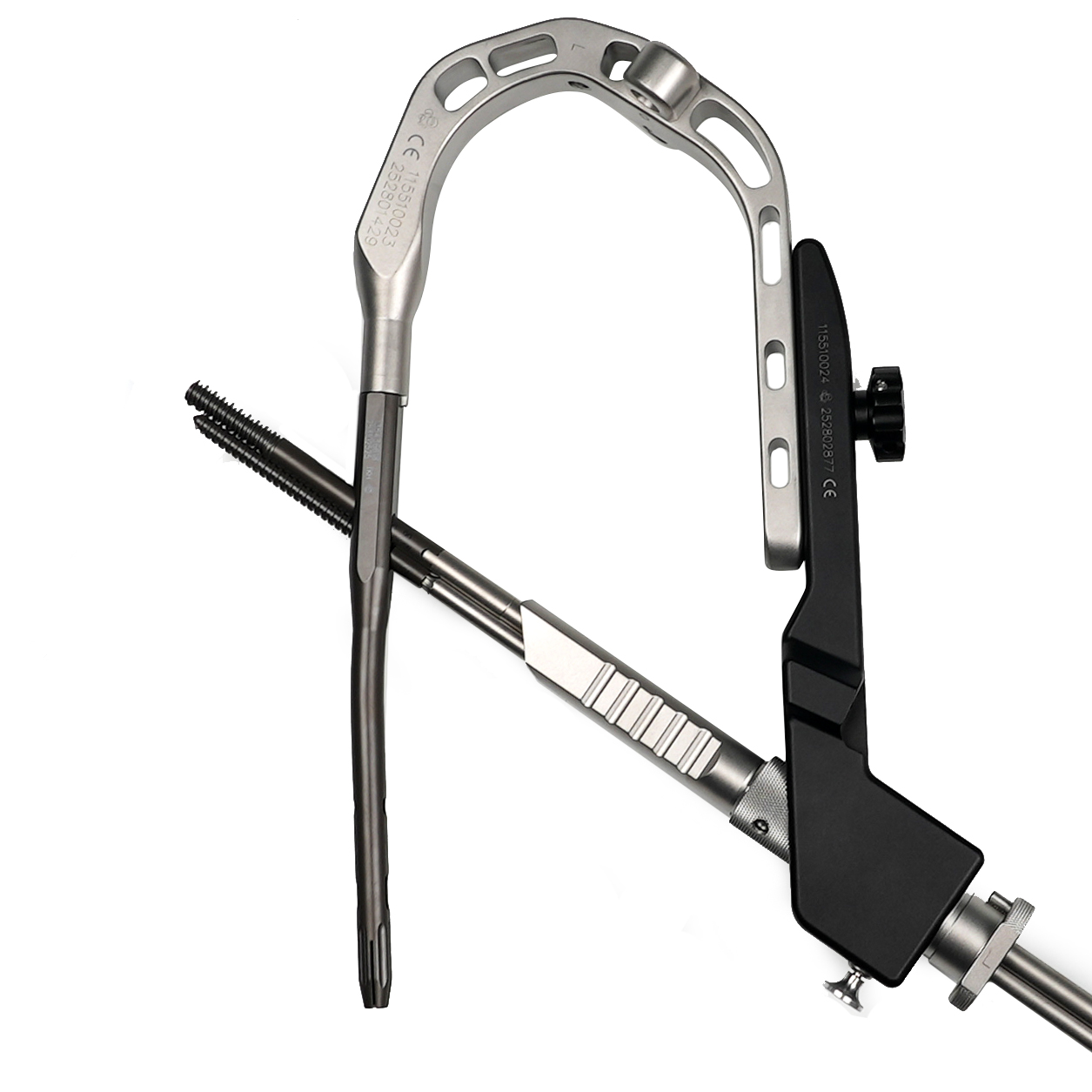
CANWELL Titanium Femoral Intramedullary Nails Interlocking Nail Femur Orthopedic Trauma Implants Bone Fracture
View Specifications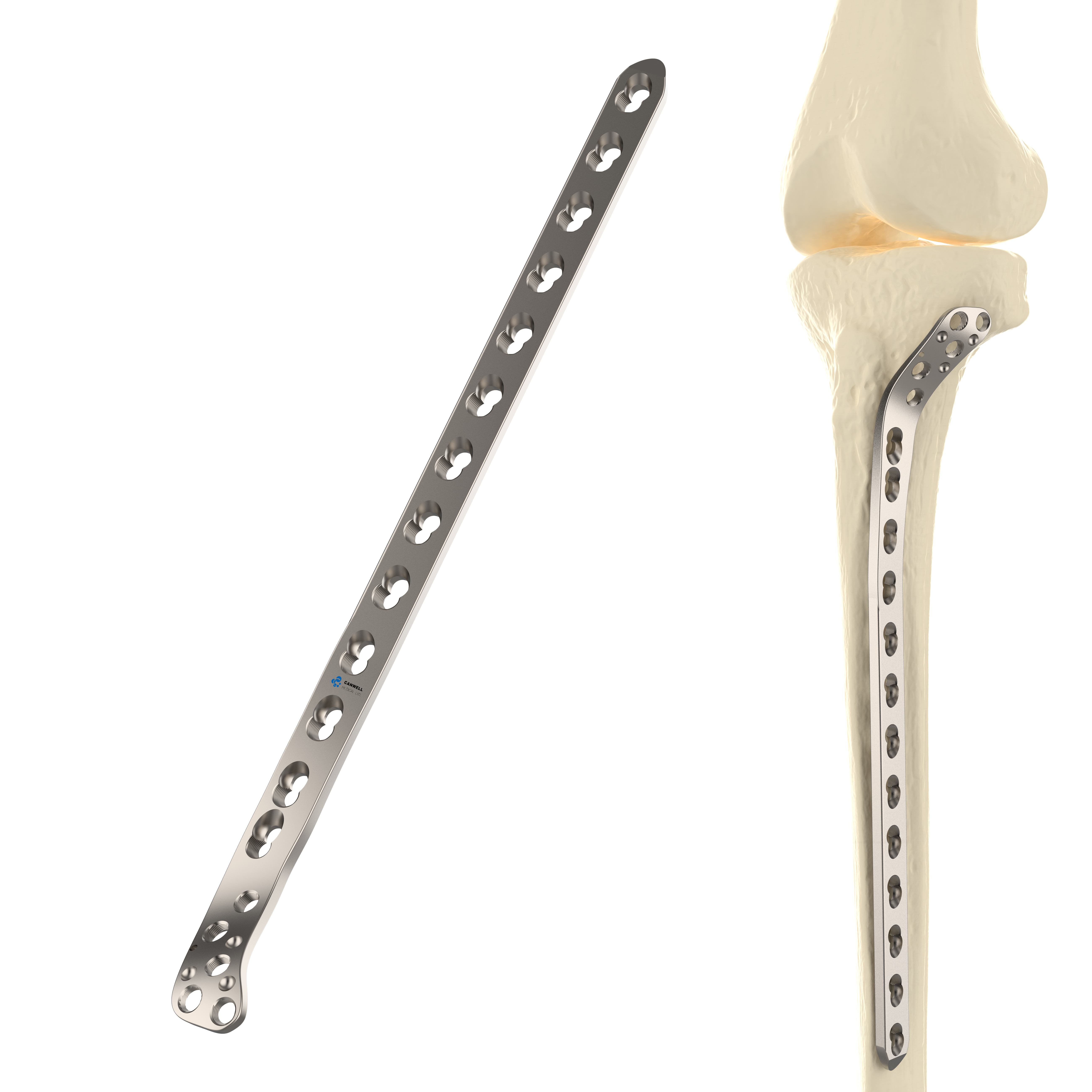
CANWELL Proximal Lateral Tibial Locking Plate Orthopedic Trauma Implant Hospital Bone Plate 5.0mm Screw
View Specifications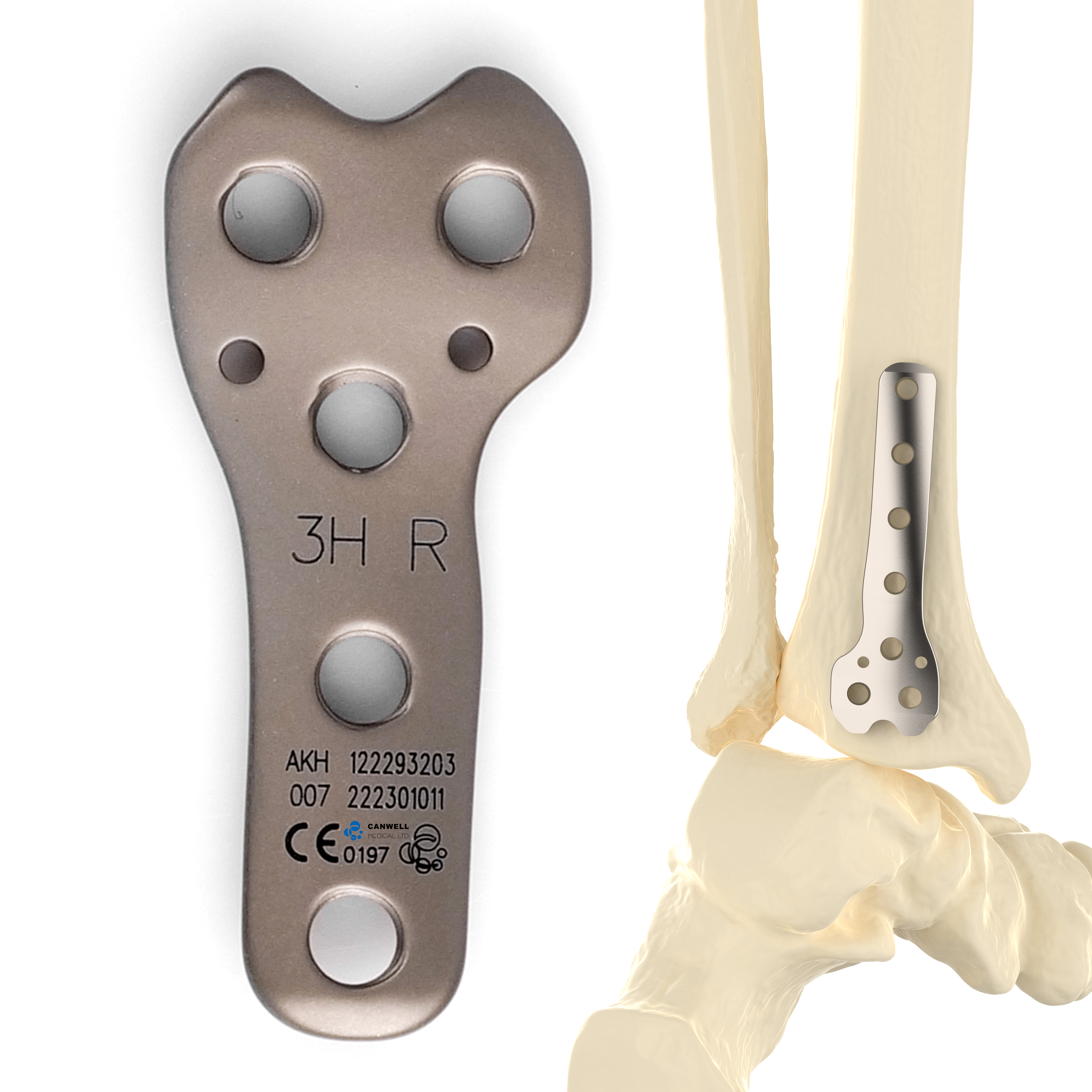
CANWELL Distal Tibial Titanium Locking Plate Posterior Limb Compression Orthopedic Trauma Fracture Implant CE OEM
View Specifications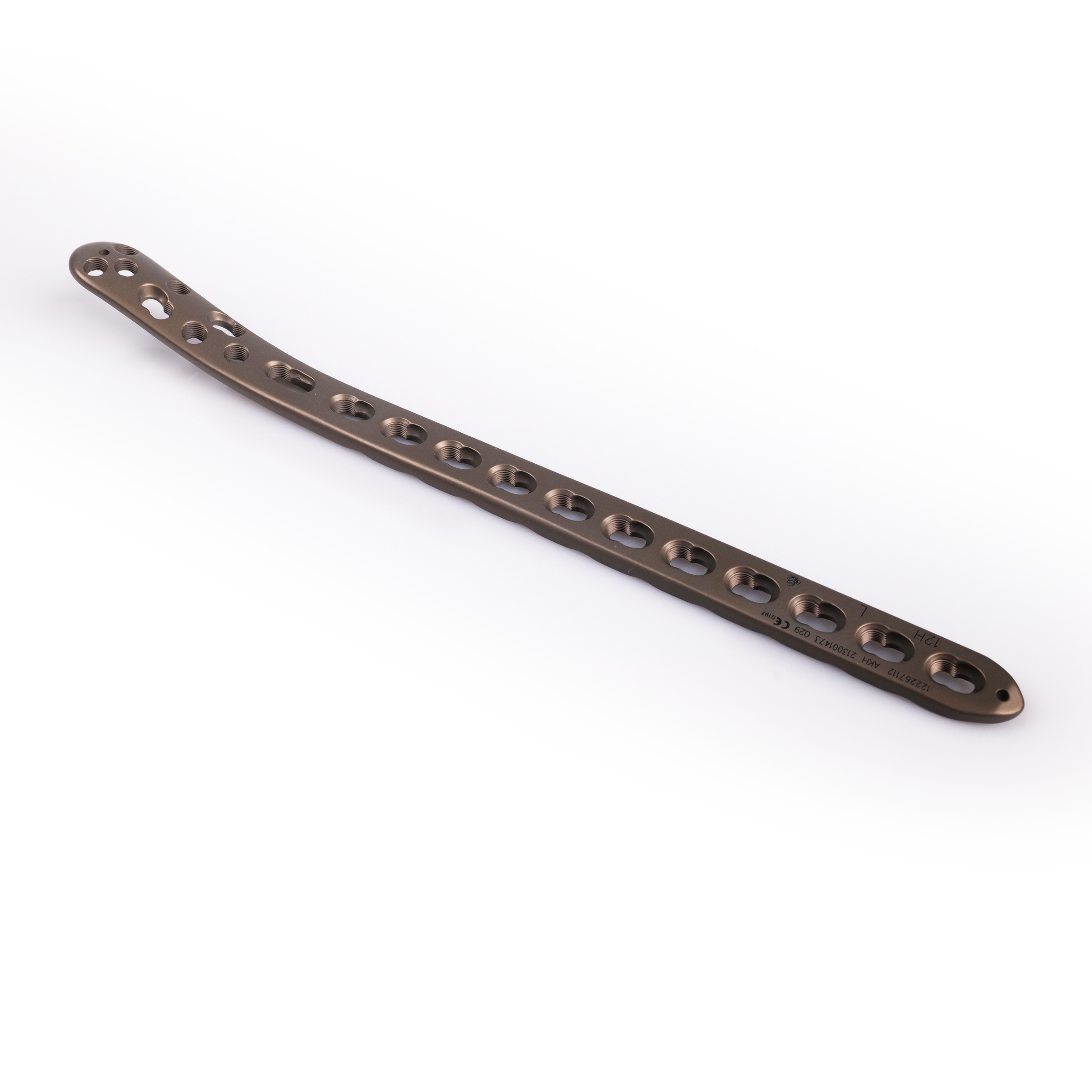
CANWELL Distal Medial Tibial Locking Plate Titanium Orthopedic Trauma Implant for Bone Fracture Fixation CE ISO OEM
View Specifications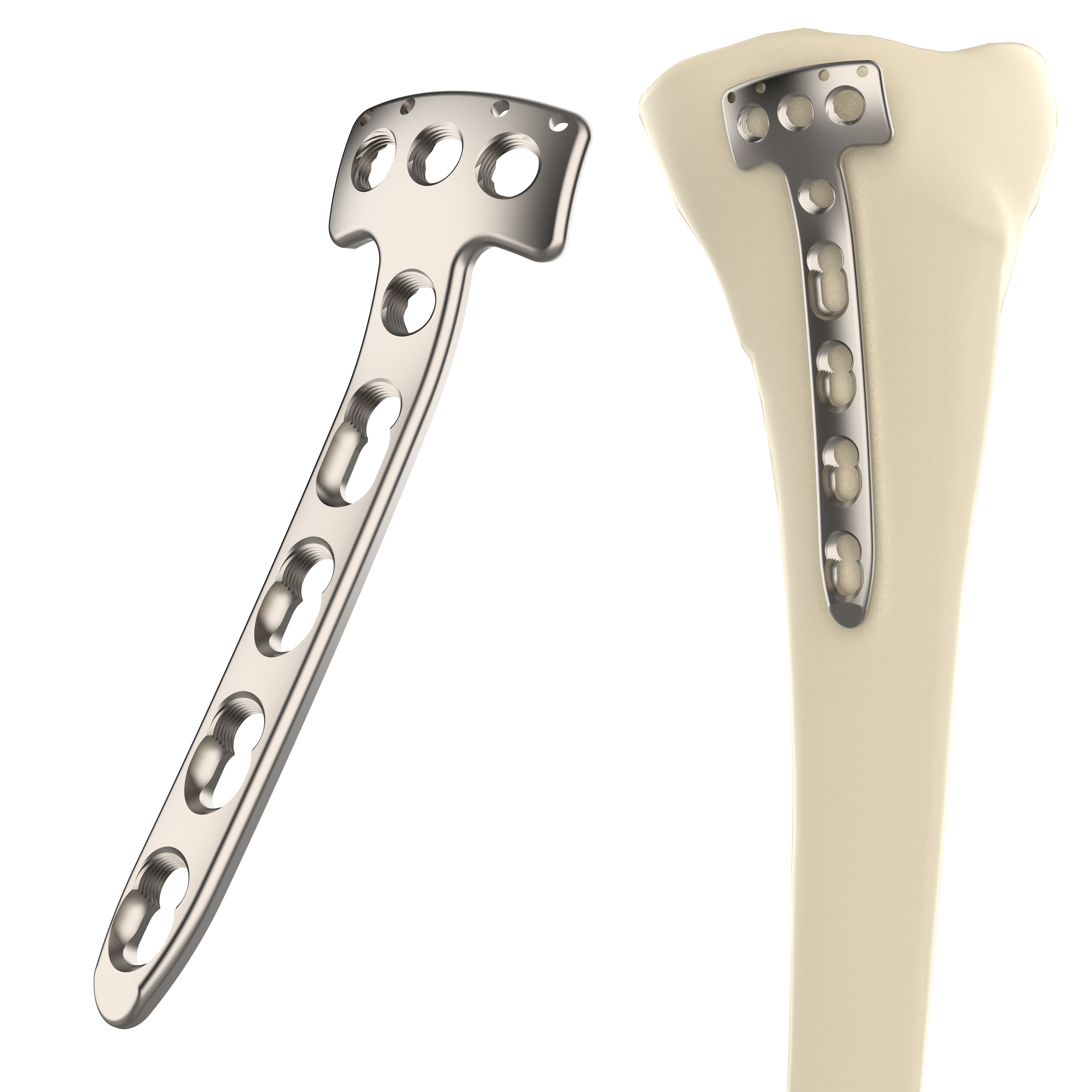
CANWELL Titanium Proximal Middle Tibial Locking Plate for Tibial Plateau Fracture Fixation ORIF Surgery Orthopedic
View Specifications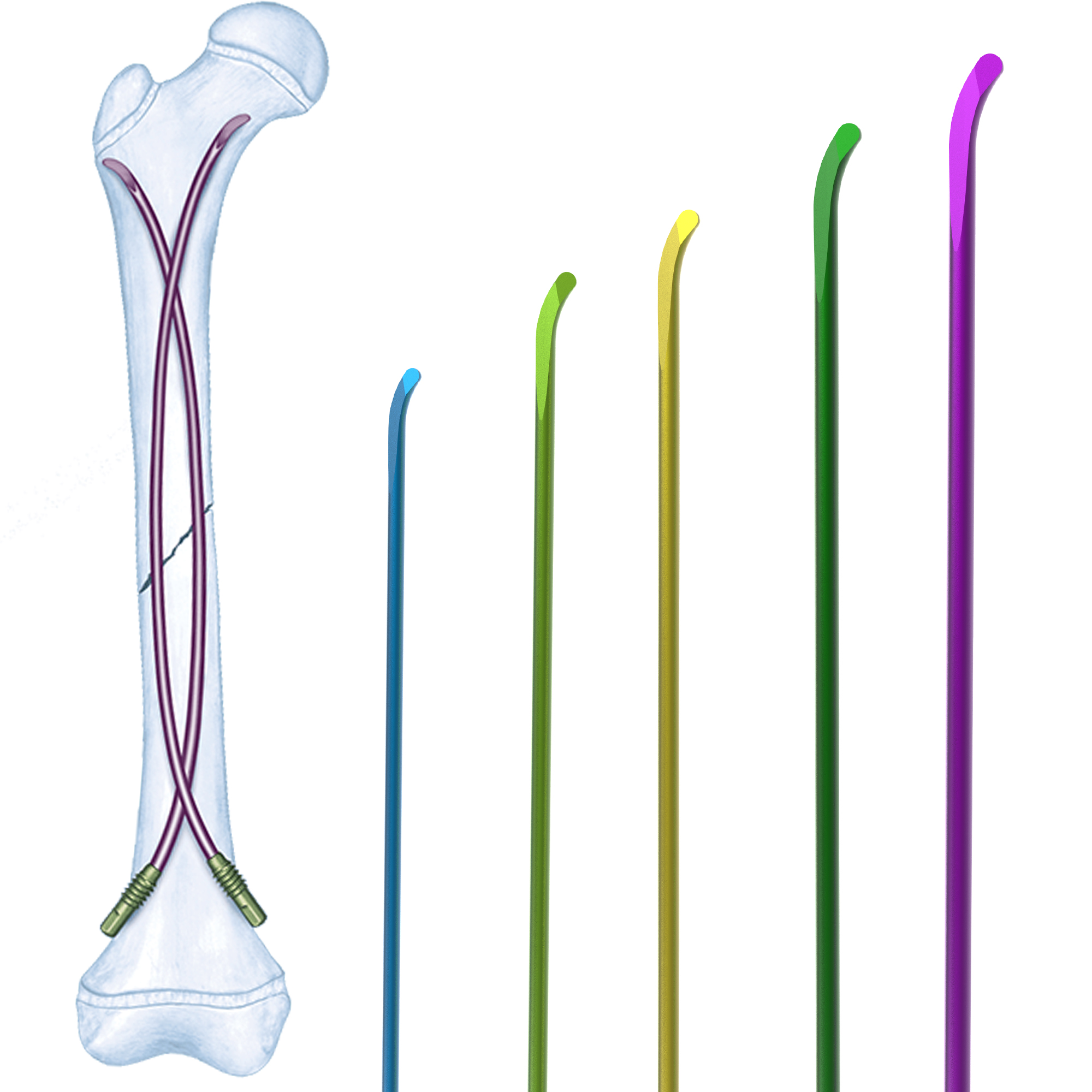
Canwell Titanium Elastic Stable Intramedullary Nail TEN Pediatric Orthopedic Long Bone Fracture Fixation
View Specifications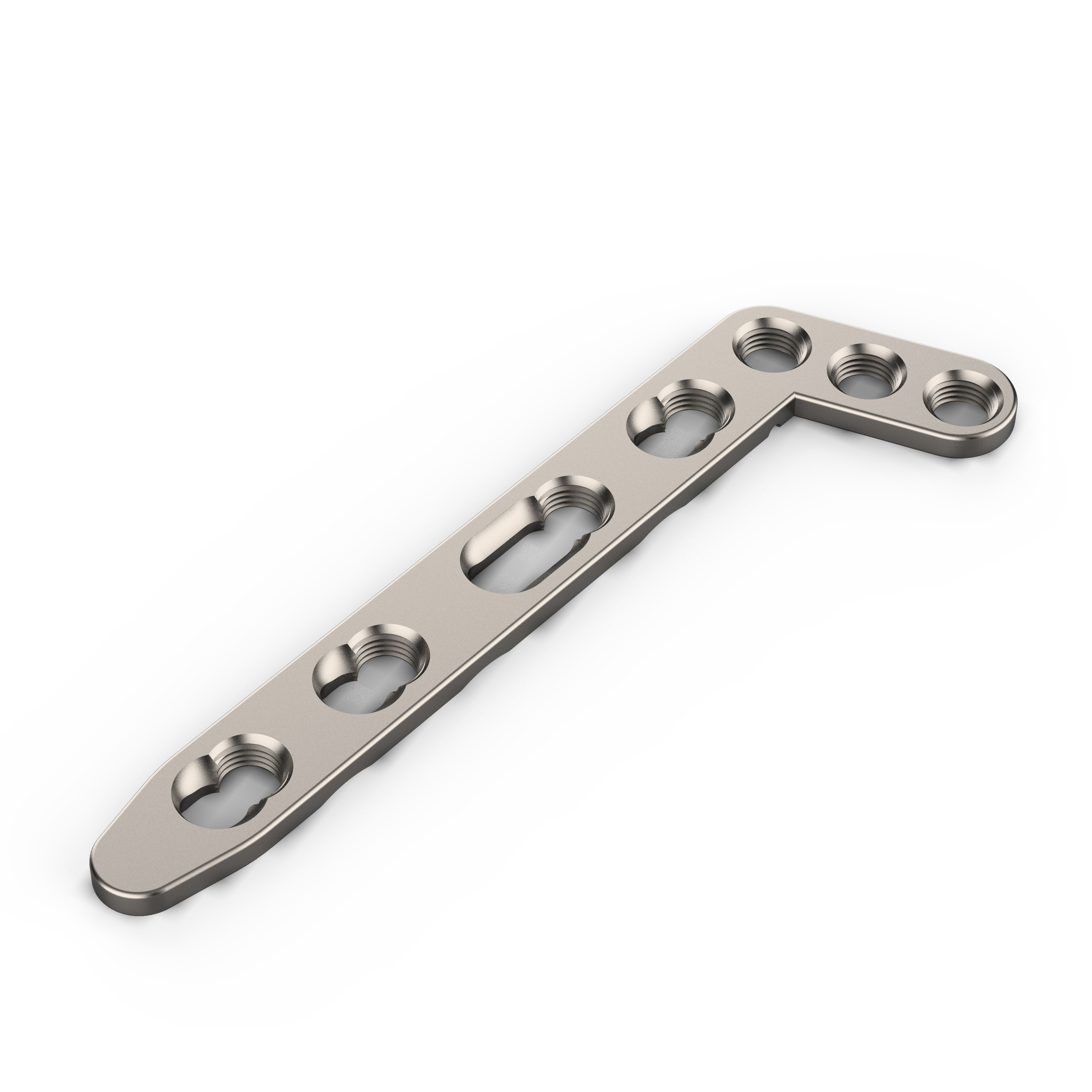
CANWELL Distal Radius Dorsal Titanium Locking Plate 3 Holes Oblique Volar Wrist Orthopedic Trauma Implant
View Specifications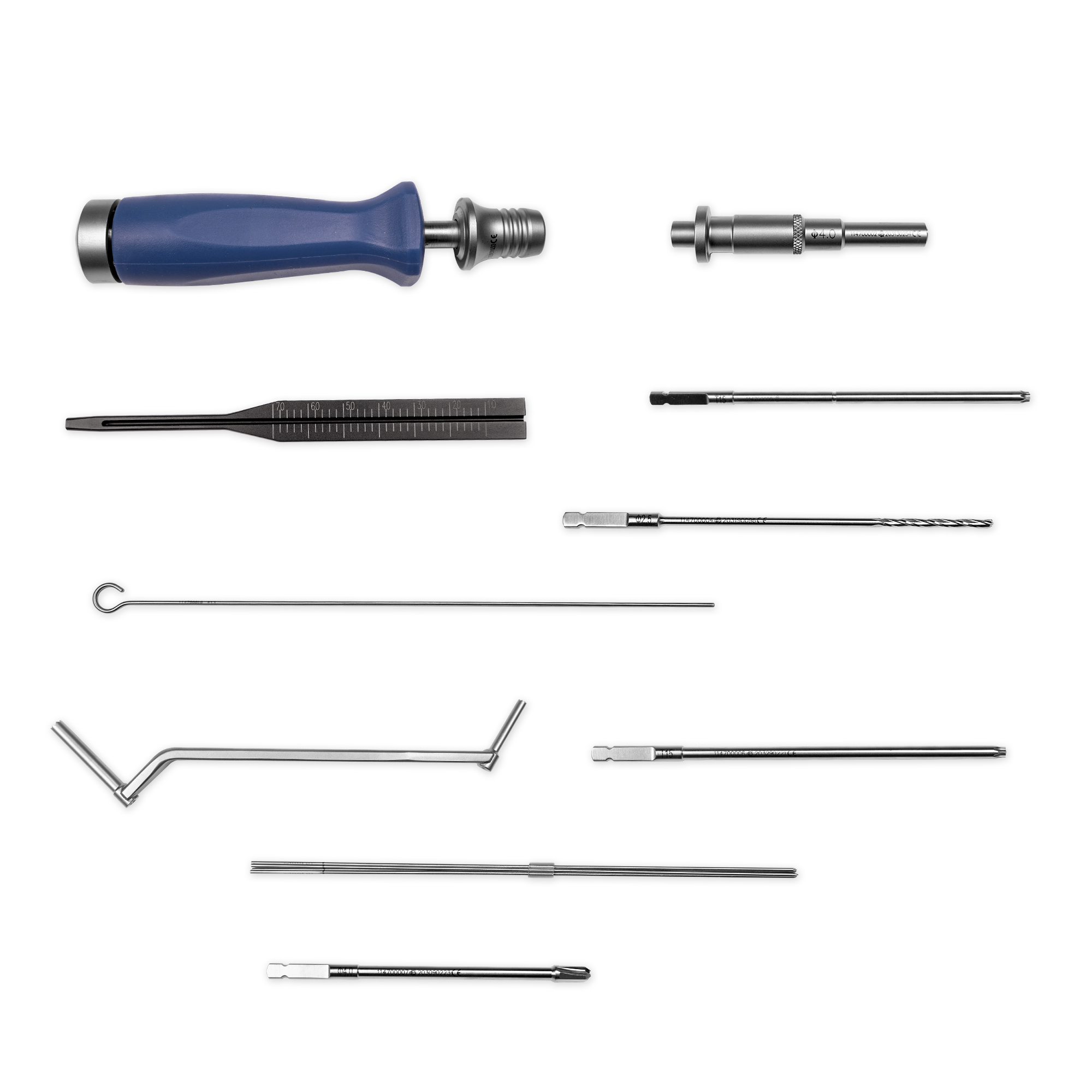
CANWELL Medical Orthopedic Instrument Set Manual Metal Torque Adapter Quick Coupling Handle Limiter
View SpecificationsExecutive Overview: China-Belarus Orthopedic Arthroplasty Bridge
The orthopedic procurement matrix in the Republic of Belarus has entered a transformative era. Historically dependent on Western European multi-national medical consortia, Belarusian national clinical centers, regional multi-field hospitals, and private orthopedic surgical units are rapidly pivoting toward tier-one Chinese original equipment manufacturers (OEMs). This strategic recalibration is driven by both macroeconomic shifts and the clinical maturity of leading Chinese state-of-the-art facilities like Zhejiang INAR Medical Co., Ltd.
As an audited medical manufacturer spanning over 22 years of surgical device engineering, 632 dedicated personnel, and a 29,523 m² integrated manufacturing campus in Jinhua, Zhejiang, our enterprise supplies comprehensive total hip replacement (THR) systems, partial hip hemiarthroplasty configurations, and complex peri-prosthetic fracture reconstruction systems. Operating under certified CE (EU MDR 2017/745 and 93/42/EEC) management frameworks alongside rigorous SGS onsite validations, we deliver direct factory-to-institution advantages to the Belarusian healthcare ecosystem.
Localized Clinical Application Scenarios in Belarus
Procurement teams and clinical department heads across Minsk, Gomel, Brest, Vitebsk, Grodno, and Mogilev encounter distinct demographic and geographic operational realities. Our hip arthroplasty platforms and accompanying osteosynthesis solutions are targeted at four primary localized surgical protocols:
Geriatric Osteoporotic Femoral Neck Traumas
During the prolonged Eastern European winters, icy road conditions yield severe spikes in subcapital and transcervical fractures among elderly patients. Our cemented titanium and cobalt-chromium femoral stems, paired with high-mobility bipolar heads, afford rapid surgical turnover, early weight-bearing, and minimal perioperative morbidity in municipal trauma departments.
Severe Dysplastic Secondary Osteoarthritis
Congenital Hip Dysplasia (DDH) sequences demand high surgical flexibility. Our cementless 3D porous titanium acetabular shells featuring bioactive hydroxyapatite (HA) vacuum plasma coatings guarantee optimal primary press-fit stability and rapid secondary osseointegration even within deficient, sclerotic acetabular beds.
High-Demand Young Patient Arthroplasty
Industrial injuries and heavy active lifestyles require wear-resistant bearing couples. INAR Medical provides highly cross-linked ultra-high-molecular-weight polyethylene (HXLPE) liners infused with Vitamin E, matched with medical-grade Delta Ceramic heads to drastically reduce volumetric wear debris and suppress periprosthetic osteolysis.
Complex Revision & Peri-Prosthetic Fractures
When primary prosthetic components fail or periprosthetic Vancouver B fractures emerge, our modular distal-fixation revision stems, combined with proximal trochanteric claw locking plates, provide rigid stabilization and restore biomechanical leg-length equilibrium without the need for extensive bone grafting.
Technical Note for Procurement Committees: All hip implant components manufactured by Zhejiang INAR Medical undergo extensive multi-axis servo-hydraulic endurance testing exceeding 10,000,000 continuous cycles (ISO 7206-4 and ISO 7206-6 standards), verifying zero structural fracture under dynamic load forces exceeding 2.3 kN.
Belarus Orthopedic Market Trends & Macro Environment
The procurement trajectory of medical supplies within Belarus has seen substantial structural realignment over the last thirty-six months. Market analysts highlight three critical trends defining the 2024–2030 arthroplasty landscape:
1. State Tenders Emphasize Supply Chain Security and Direct Factory Collaboration: The Ministry of Health of the Republic of Belarus (Minzdrav) and republican procurement platforms (such as Belfarmatsia and Belmedtekhnika) have increasingly mandated uncompromised supply continuity. Chinese manufacturers capable of managing end-to-end production—from titanium bar stock forging to aseptic cleanroom blister sealing—are systematically replacing intermediaries that carry high geopolitical supply disruption risks.
2. Harmonization with EAEU (Eurasian Economic Union) Regulatory Standards: Belarus continues to consolidate medical device registration within the single EAEU market framework (Decision No. 78 of the EEC Council). Importers prioritize suppliers who possess comprehensive technical design dossiers, ISO 13485:2016 certifications, biocompatibility documentation (ISO 10993 series), and validated clinical evaluation reports (CERs) that facilitate frictionless local national dossiers or cross-border EAEU mutual recognitions.
3. Optimization of Healthcare Budgets without Quality Compromise: Cost-containment mandates within regional clinical centers have intensified the demand for Tier-1 cost-effective alternatives. Chinese medical manufacturing hubs deliver equal metallurgical performance (utilizing medical-grade Ti-6Al-4V ELI conforming to ASTM F136) at 35% to 55% lower acquisition budgets compared to legacy European products, directly relieving national waiting lists for hip and knee replacements.
Engineering Matrix: Technical Specification Standards
To assist Belarusian biomedical engineers and surgical review boards in evaluating INAR Medical joint and trauma lines, our key metallurgical and design parameters are summarized below:
| Implant Component | Standard Material Grade | Surface Topography / Treatment | Biocompatibility & Mechanical Certs |
|---|---|---|---|
| Cementless Femoral Stems | Ti-6Al-4V ELI (Grade 23, ASTM F136) | Corundum blasting + Vacuum Plasma Spray HA (150±50 μm) | ISO 7206-4, ISO 7206-6, CE MDR, ISO 13485 |
| Modular Acetabular Shells | Ti-6Al-4V ELI (ASTM F136) | 3D Trabecular Porous Titanium (Porosity 65–75%) | ASTM F1854, ISO 10993 Series, SGS Audited |
| Articular Liners | Medical UHMWPE / Vitamin E HXLPE | Precision CNC machined, Gamma irradiated cross-linking | ASTM F648, ISO 5834-2, CE 93/42/EEC |
| Femoral Articulation Heads | Co-Cr-Mo Alloy / Zirconia-Toughened Alumina | Super-finished mirror polish (Ra < 0.02 μm) | ISO 5832-12, ISO 7206-2, High Sphericity Specs |
| Trauma Reconstruction Plates | Pure Titanium (Grade 3/4) & Ti-6Al-4V | Type II Anodization (Color-coded sizing) | ISO 5832-3, CE Class IIb / III Certified |
Frequently Asked Questions (FAQ) for Belarusian Importers & Hospitals
Q: How do INAR Medical implants comply with Belarus Center for Examinations and Tests in Health Service (УП ЦЭТИС)?
Our regulatory documentation department provides ready-to-file registration packages (Dossiers), including ISO 13485:2016 certificates, CE MDR declarations, full material mill test certificates (MTC), biocompatibility validation reports (ISO 10993), and factory audit reports performed by SGS. We work closely with authorized Belarusian agents to ensure expedited registration approval.
Q: Can Belarusian hospitals request customized surgical instrument sets matching our surgeons' habits?
Yes. Zhejiang INAR Medical is a verified OEM/ODM powerhouse. Our engineering department can adapt rasp designs, quick-coupling handles, torque limiters, and acetabular reamers to match standard European or Soviet-heritage surgical techniques, including laser-etched Cyrillic sizing metrics and custom surgical sterilization cassettes.
Q: What is the transit lead time and logistical corridor from your Jinhua factory to Minsk?
We leverage regular China-Europe Railway Express (Yiwu-Minsk multimodal freight corridors) providing terminal-to-terminal ground delivery in 14 to 18 days. For urgent public hospital tender requirements, direct air freight from Shanghai Pudong (PVG) or Hangzhou (HGH) to Minsk National Airport (MSQ) is routinely scheduled within 4 to 6 business days.
Q: What quality control methods are conducted on each hip implant before dispatch?
Every single implant batch undergoes a documented 13-stage manufacturing and inspection protocol: raw material spectral analysis, multi-axis CNC milling, precision grinding, liquid penetrant testing for microscopic fissures, automated ultrasonic cleaning stages, CMM optical coordinate checks, and final 100% Outgoing Quality Control (OQC) in Class 100,000/10,000 cleanrooms.
Q: What payment mechanisms and contract currencies are accepted for Belarusian B2B partners?
To eliminate currency friction and sanctions-related banking roadblocks, we offer multi-currency settlement structures, including direct Chinese Yuan (RMB) cross-border transfers through CIPS, alongside standard international banking terms (L/C, T/T), fully compliant with Belarusian National Bank monetary regulations.
Enterprise Strengths: Why Zhejiang INAR Medical Stands Apart
Choosing an orthopedic implant partner goes beyond catalog offerings; it demands verifiable manufacturing infrastructure. INAR Medical provides an uncompromising foundation:
Vertical Integration Excellence
From longitudinal lathe cutting and automated Swiss CNC milling to sand-blasting, surface anodization, and packaging—100% of critical manufacturing steps are retained inside our 29,523 m² facility, guaranteeing zero unauthorized third-party subcontracting.
Certified Quality Assurance
Our quality management system is independently audited by SGS Group and holds CE certificates under EU MDR and Directive 93/42/EEC. We maintain continuous material traceability from titanium ingot to operating room patient blister.
Specialized In-House Test Laboratory
Our R&D center operates dedicated servo-hydraulic fatigue testers, coordinate measuring machines (CMM), accelerated aging chambers, and torque testing units to ensure every hip stem and locking plate exceeds ASTM/ISO structural standards.
Partner with China's Premier Orthopedic Manufacturing Partner
Whether you are participating in upcoming Belarusian republican tenders, seeking private label OEM manufacturing, or expanding your hospital group's clinical joint portfolio, our engineering and export teams are ready to support your technical specifications.
Send an Inquiry