Precision Trauma Implants & Specialized Surgical Instruments
Engineered in ISO 13485 and SGS-verified facilities with advanced 5-axis CNC machining centers, delivering consistent metallurgical purity and micro-tolerances for high-demand clinical environments in Madrid.
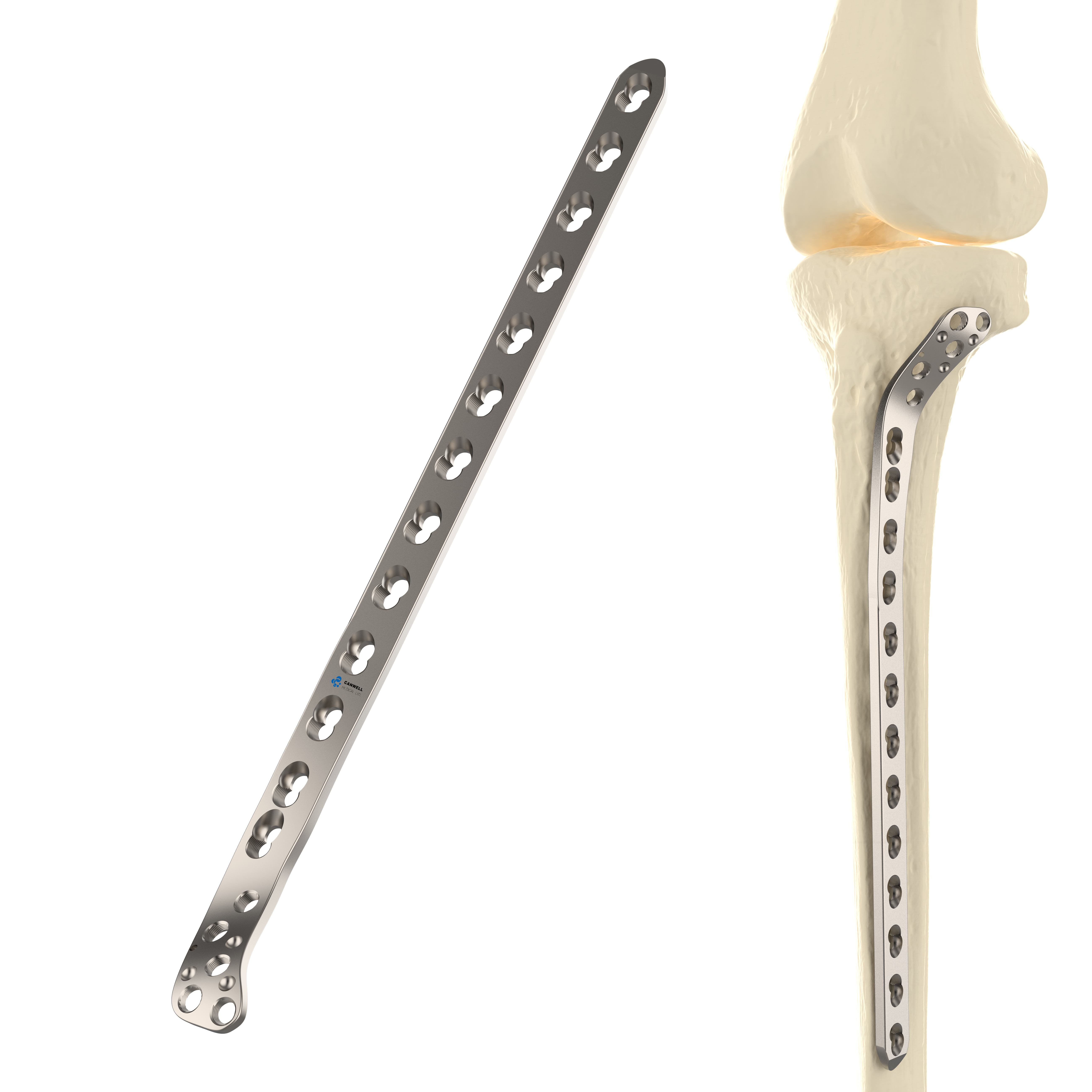
CANWELL Proximal Lateral Tibial Locking Plate 5.0mm System
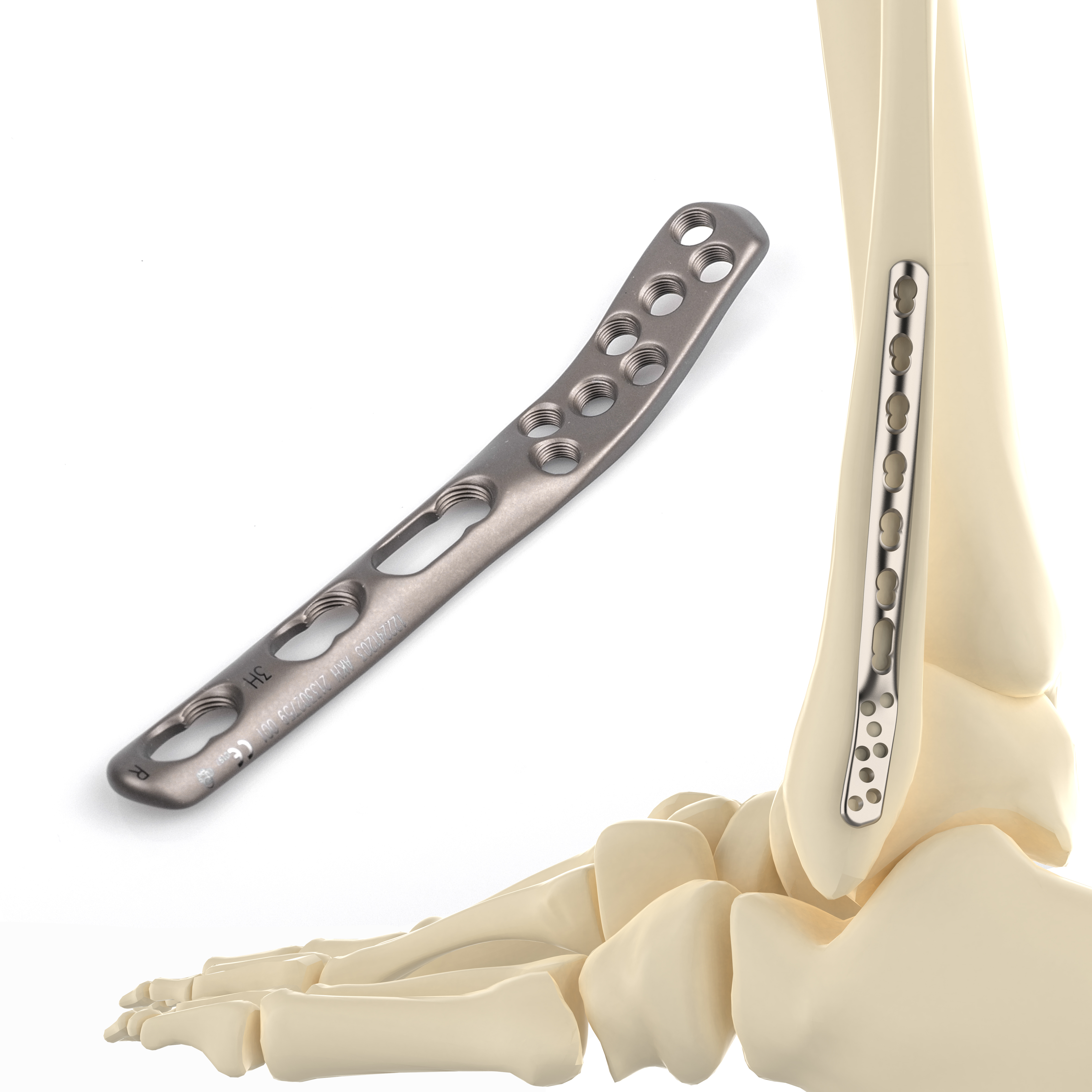
Posterolateral Distal Fibula Titanium Plate 2.7/3.5mm System
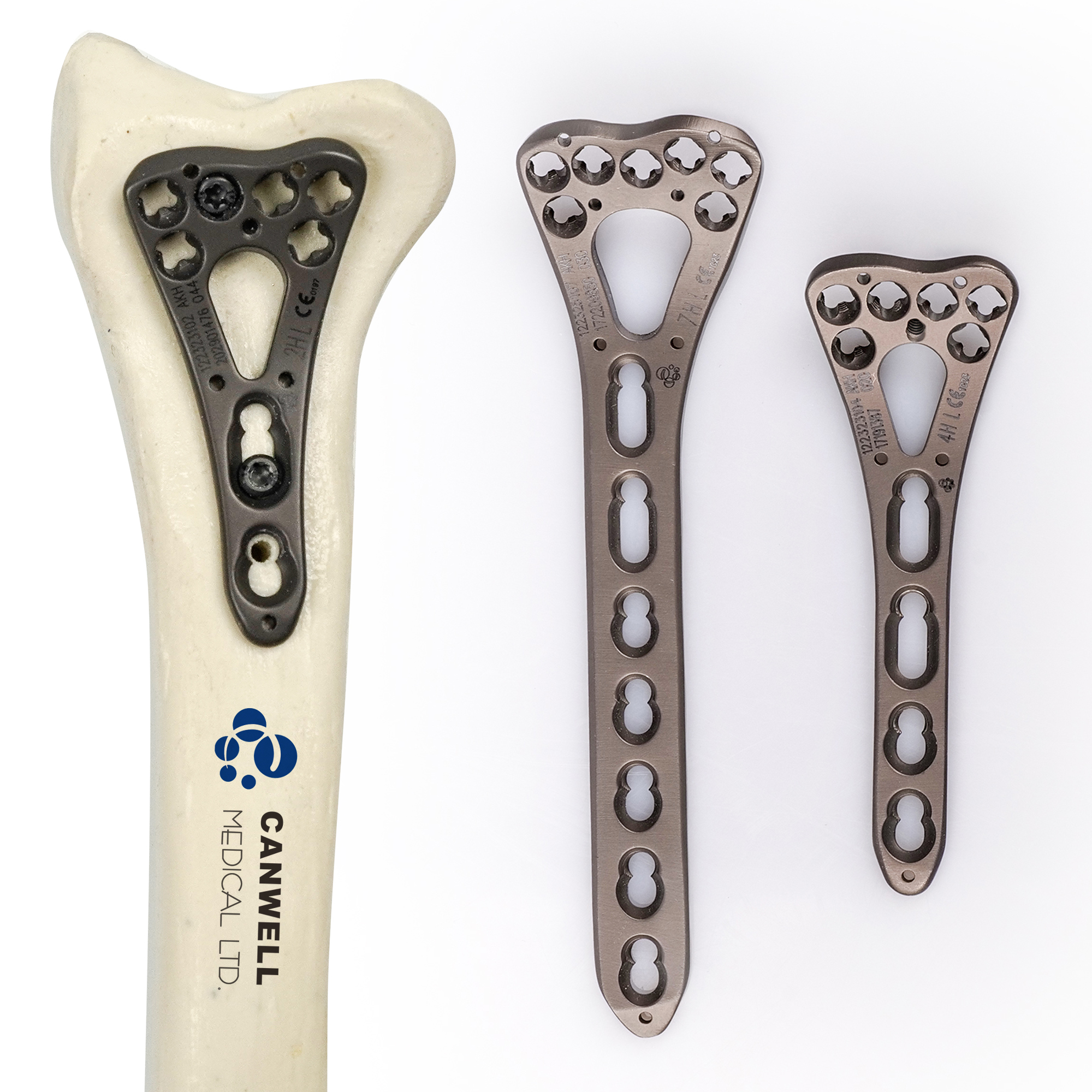
CANWELL 2.4/2.7mm VA Distal Palmar Radius Volar Plate
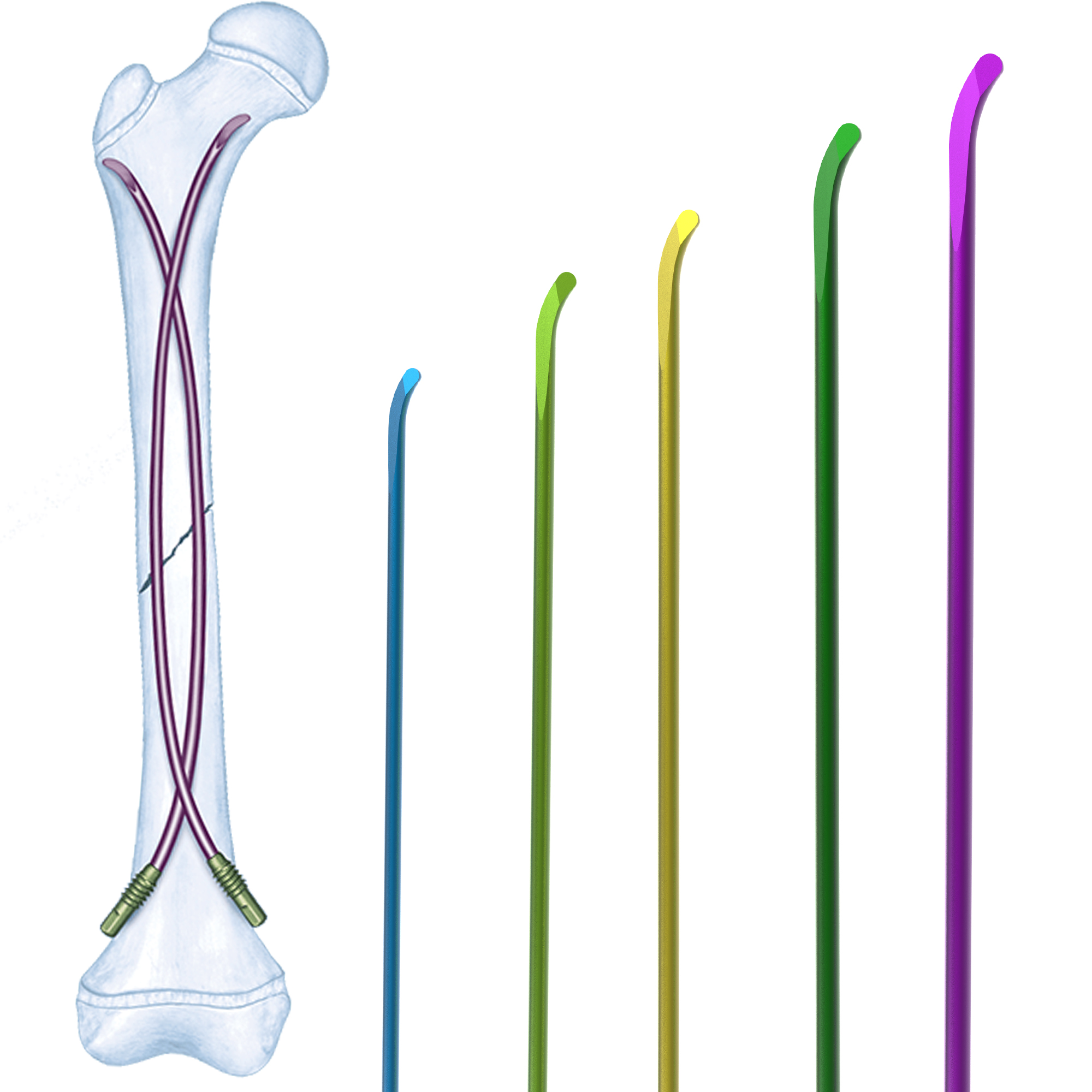
Titanium Elastic Stable Intramedullary Nail (TEN System)
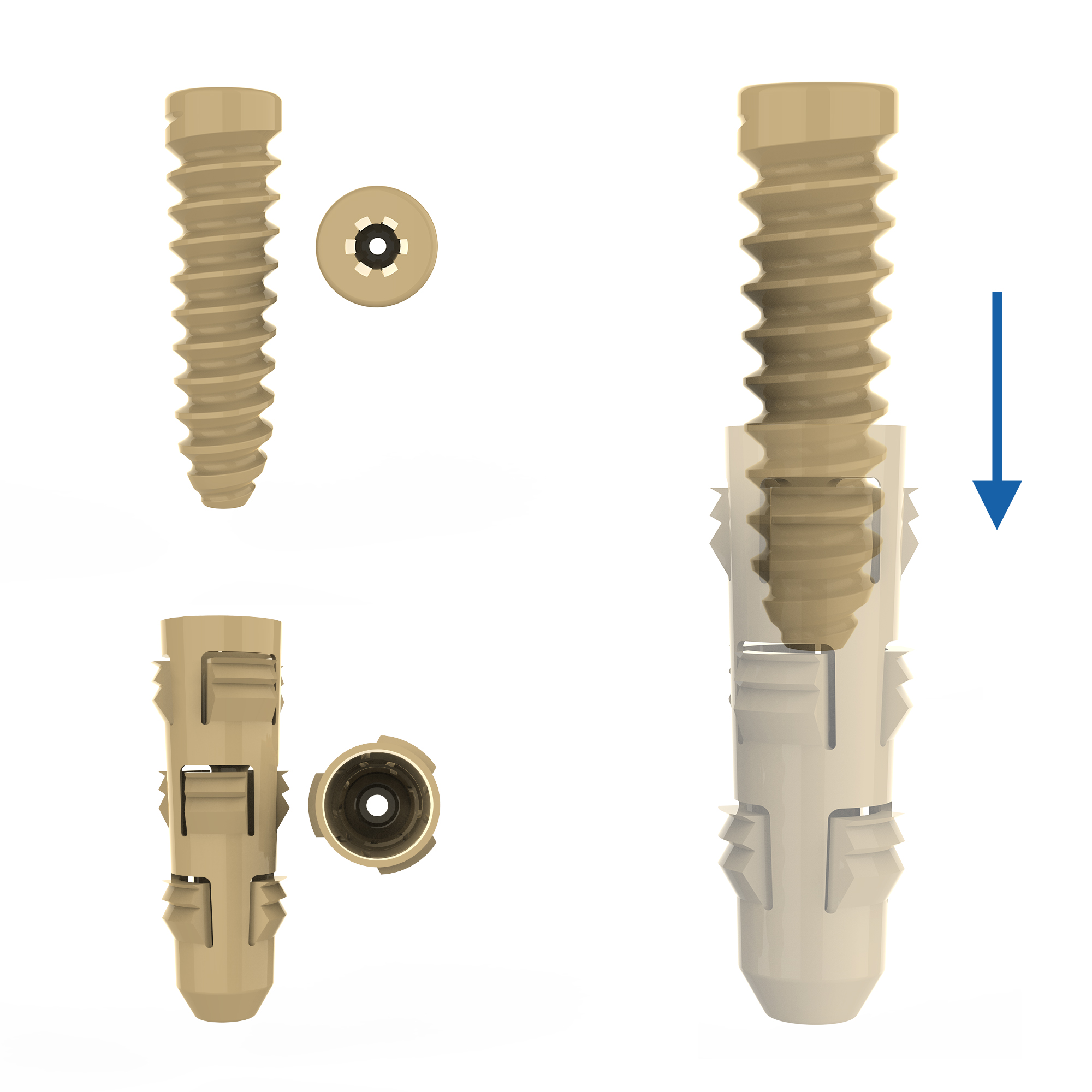
ACL/PCL Reconstruction Bioabsorbable & PEEK Interference Screw
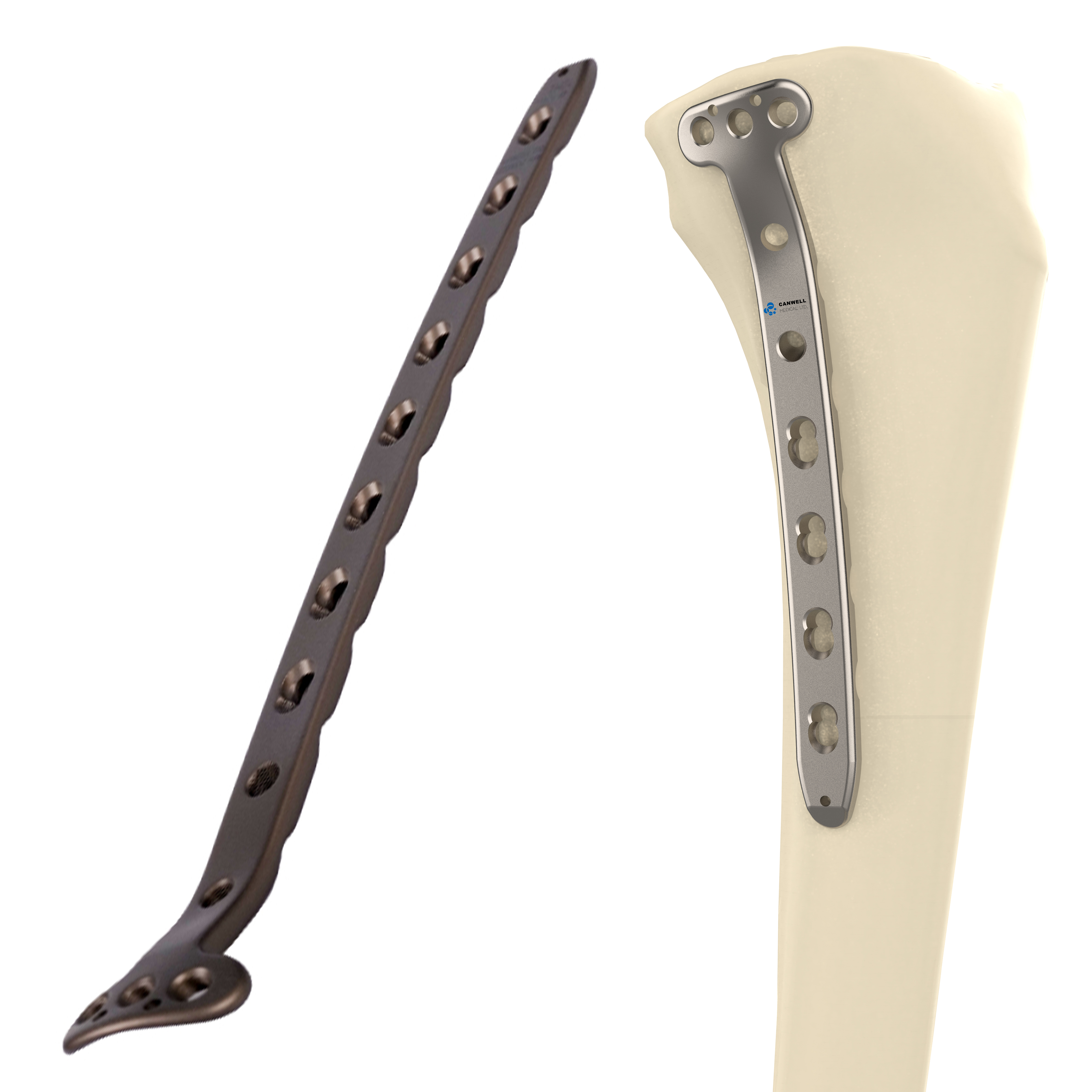
Proximal Medial Titanium Tibial Locking Compression Plate
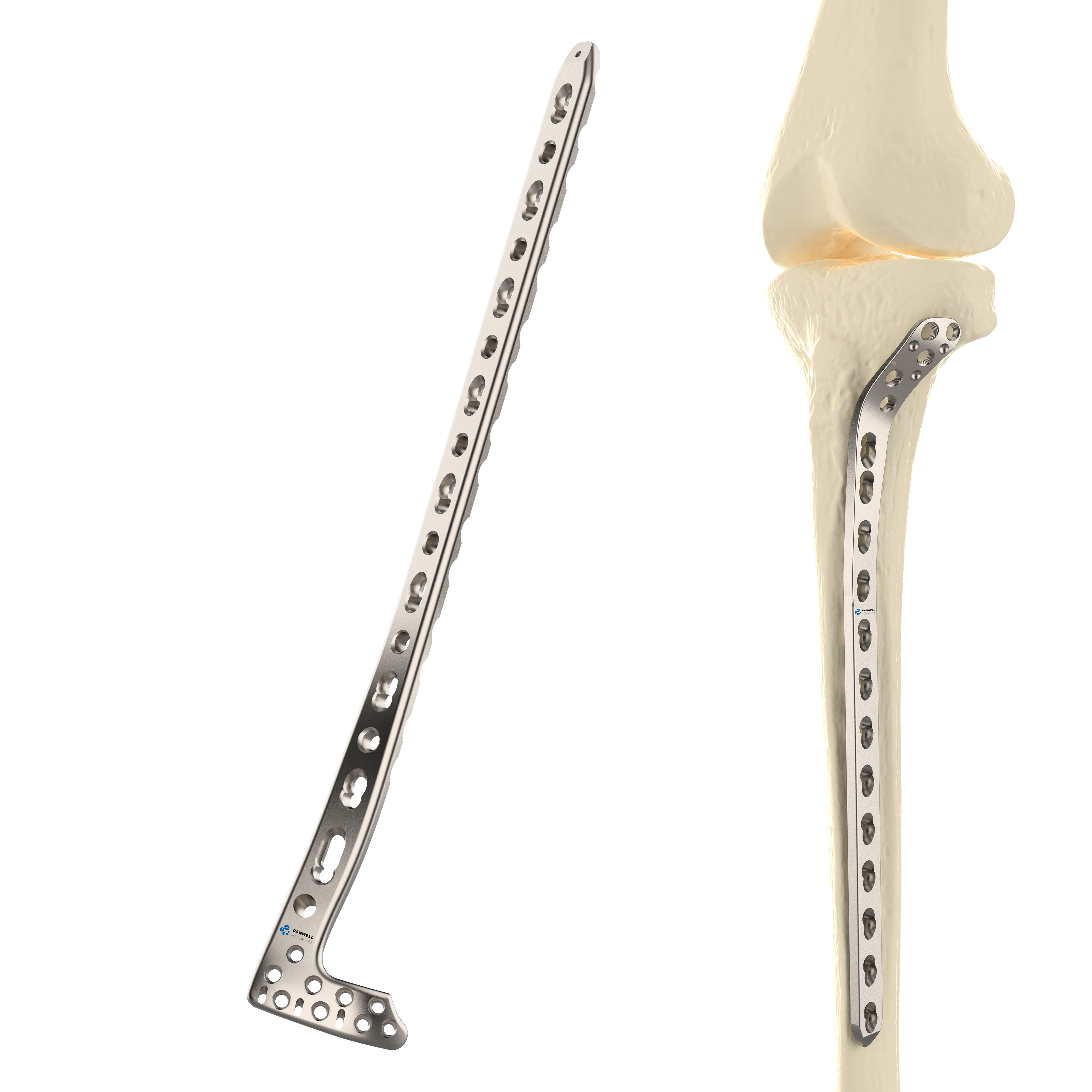
Distal Tibial Low-Profile Metaphyseal Locking Compression Plate
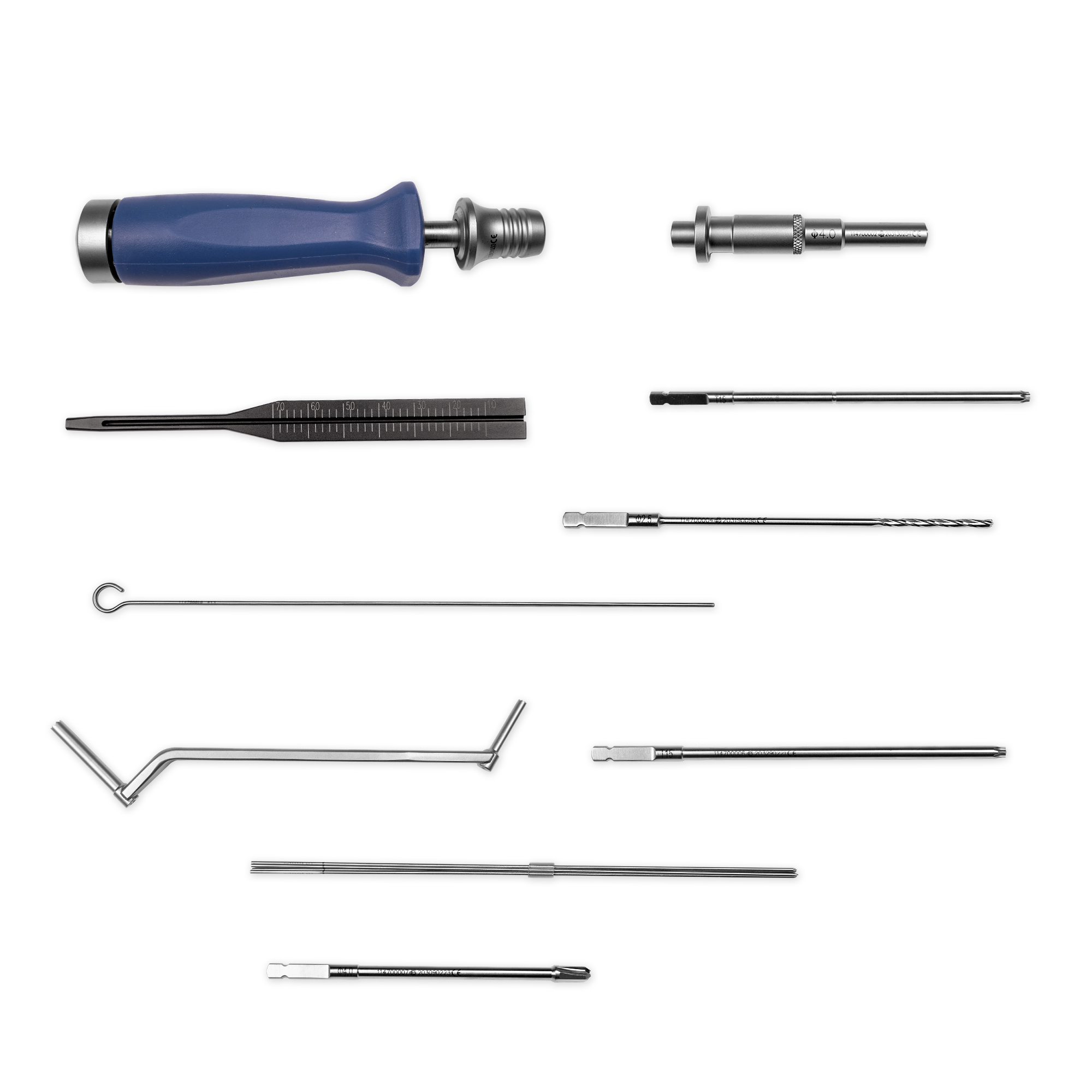
Orthopedic Quick Coupling Torque Limiter & Ratchet Handle Set
Clinical Landscape & Application of Humeral Nails in Madrid
A rigorous evaluation of humeral fracture dynamics within Madrid's healthcare ecosystem, balancing high-energy urban trauma stabilization and osteoporotic fragility fracture reconstruction.
Years Industry Experience
Over two decades mastering titanium machining and biomechanical design for global markets.
Manufacturing Personnel
Dedicated staff across CNC precision turning, cleanroom packing, and clinical QC assurance.
Floor Production Space
Integrated processing facilities eliminating third-party reliance for finishing and anodization.
Batch Traceability
Complete metallurgical and mechanical batch verification under EU MDR standards.
1. The Demographics of Humeral Trauma in the Autonomous Community of Madrid
The clinical demand for humeral fixation across Madrid's healthcare infrastructure presents a bifurcated epidemiological profile. The central metropolitan area and outlying districts—encompassing major trauma hubs like Hospital Universitario La Paz, Hospital Universitario 12 de Octubre, Hospital Clínico San Carlos, and Hospital General Universitario Gregorio Marañón—handle high-energy polytrauma fractures stemming from vehicular collisions on arterial highways such as the M-30, M-40, and A-6 corridors. These fractures typically involve complex, comminuted mid-shaft humerus patterns (AO/OTA Type 12-B and 12-C), where load sharing and rotational stability without extensive soft-tissue devascularization are paramount.
Concurrently, the demographic aging trend observed across central Madrid and residential areas has triggered an escalation in 2-part and 3-part proximal humeral fragility fractures (AO/OTA Type 11-A and 11-B). In osteoporotic bone tissue, open reduction and internal fixation (ORIF) with traditional plating frequently struggles with secondary loss of reduction, screw cut-out, and extensive soft-tissue stripping leading to avascular necrosis (AVN) of the humeral head. Modern closed intramedullary nailing has emerged as the definitive surgical pathway across Madrid's orthopedic units, offering rigid axial alignment with minimal disruption to the periosteal blood supply.
2. Biomechanical Fixation: Antegrade vs. Retrograde Insertion Protocols
Modern humeral nail instrumentation manufactured for Madrid orthopedic teams supports dual entry mechanics:
Antegrade Entry Approach: Optimized for proximal third and diaphyseal fractures. By adopting a modern medial entry site through the rotator cuff muscular-tendinous junction (avoiding the critical insertion of the supraspinatus tendon), antegrade nails eliminate chronic post-operative subacromial impingement. Nails featuring an anatomical proximal bend (typically 4° to 5°) facilitate entry precisely at the apex of the humeral head on the articular margin, directing the straight nail along the central medullary canal without eccentric reaming.
Retrograde Entry Approach: Employed when the proximal humerus is completely intact but distal shaft or distal third fractures require stable fixation, particularly in patients with pre-existing rotator cuff arthropathy or shoulder prostheses. The retrograde approach utilizes an entry portal located 1.5 cm to 2 cm proximal to the olecranon fossa, requiring a nail with sufficient distal tapering and multi-planar locking holes to secure distal fragments without compromising the supracondylar columns or impinging on the ulnar nerve.
Radial Nerve Clearance
Engineered locking hole geometry mitigates the clinical danger zone along the spiral groove, preventing iatrogenic neuropraxia during lateral-to-medial distal locking maneuvers.
- Calibrated AP & oblique distal trajectories
- Soft-tissue protector sleeve guides
- Radiolucent carbon targeting arms
Multi-Planar Head Purchase
Multi-directional divergent proximal locking screws achieve robust three-dimensional subchondral fixation, creating an internal scaffold that resists varus collapse in osteopenic cancellous bone.
- Calcar support screw trajectories
- Threaded end-cap locking mechanisms
- Screw-in-screw fixation mechanics
Dynamization & Axial Compression
Dynamic oblong locking slots facilitate controlled axial load transmission across the fracture gap, speeding callotaxis formation and avoiding non-unions common with rigid bridging.
- Adjustable compression screw insertion
- Controlled 5mm axial glide envelope
- Static-to-dynamic conversion without removal
Madrid Healthcare Procurement Dynamics & EU MDR Framework
Navigating the regulatory stringency of the Spanish Health Ministry and SERMAS tender processes with compliant, fully documented orthopedic manufacturing pipelines.
Procurement within the Madrid public health sphere is orchestrated via SERMAS (Servicio Madrileño de Salud) central framework agreements alongside autonomous purchasing tenders managed by hospital consortiums (e.g., Hospital de Getafe, Hospital Universitario Puerta de Hierro Majadahonda). The procurement model in Spain has transitioned rapidly toward a value-based procurement (VBP) framework. Hospitals no longer evaluate bids solely on unit implant pricing; instead, tender adjudications evaluate the comprehensive Total Cost of Care (TCC), requiring verified clinical documentation, low revision rates, and streamlined instrument ergonomics that minimize operating room (OR) turnover time.
The EU MDR 2017/745 Compliance Barrier
The mandatory implementation of the European Medical Device Regulation (EU MDR 2017/745), which replaced Directive 93/42/EEC, represents the most significant barrier to entry for orthopedic implant suppliers targeting the Madrid market. Humeral nails and their corresponding locking screws are classified as Class IIb long-term implantable devices, while specialized surgical cutting tools and targeting jigs fall under Class Ir/IIa. For Madrid distributors and hospital procurement committees, partnering with a Chinese manufacturing powerhouse requires unequivocal compliance across three critical regulatory facets:
| Regulatory Domain | EU MDR Requirement | Manufacturing Protocol (INAR/Canwell) | Madrid Clinical Impact |
|---|---|---|---|
| Clinical Evaluation (CER) | Annex XIV Part A continuous clinical evaluation reports proving equivalent clinical safety and performance. | Longitudinal clinical data gathering, systematic literature analysis, and post-market clinical follow-up (PMCF) plans. | Expedited review by SERMAS hospital ethics boards and smooth inclusion into central tenders. |
| UDI & EUDAMED | Mandatory Basic UDI-DI and UDI-PI laser marking compliant with GS1 standards for surgical tracking. | Direct high-contrast laser etching onto titanium implants, compatible with hospital optical barcode scanners. | Immediate traceability within Madrid hospital sterilization processing units (RUMED) and inventory ERPs. |
| Biocompatibility & Cleanliness | ISO 10993 cytotoxicity, sensitization, and chemical characterization (ISO 10993-18) verifying no organic residues. | Multi-stage ultrasonic cleaning cycles, organic solvent degassing, and bioburden testing in ISO 7 cleanrooms. | Elimination of foreign-body reaction and low deep-infection rates in immunocompromised patients. |
| Mechanical Fatigue Testing | Dynamic bend and fatigue testing according to ASTM F383 / ASTM F1264 exceeding 1,000,000 cycles. | In-house cyclic endurance testers running destructive and non-destructive stress analysis under simulated physiological load. | Guaranteed structural integrity preventing in-situ nail breakage during non-union intervals. |
Furthermore, implant distributors operating within the Community of Madrid must hold license approval from the AEMPS (Agencia Española de Medicamentos y Productos Sanitarios). INAR Medical provides Madrid import partners with complete technical documentation dossiers (Technical Files), Declaration of Conformity (DoC), authorized EU Representative (EC REP) representation, and notified body certificates issued by premier European audit institutions.
Enterprise Strengths & Engineering Capabilities
From raw titanium ingots to validated aseptic sterile barrier packaging: how INAR Medical meets and exceeds international orthopedic standards.
Metallurgical Superiority
Sourced exclusively from certified medical-grade titanium alloy (Ti-6Al-4V ELI conforming to ASTM F136 and ISO 5832-3). We verify chemical composition, micro-structural grain sizing, and tensile strength through optical emission spectrometry before machining begins.
- High fatigue limit: Yield strength > 860 MPa
- Optimized modulus minimizing stress shielding
- Material test certs provided with every lot
5-Axis CNC & Gun Drilling
Equipped with imported high-precision Swiss-type lathes and multi-axis machining cells. Our deep-hole gun-drilling ensures consistent cannulation wall thickness, eliminating eccentric deviation that could cause nail binding over guide wires during insertion.
- Cannulation tolerance: ±0.05 mm concentricity
- Micro-finished inner lumen preventing binding
- Precision thread geometry on locking holes
Surface Science & Anodization
We deploy advanced Type II electrochemical anodization, creating a dense, biologically inert titanium dioxide (TiO2) layer. This reduces nickel and vanadium ion leaching, inhibits bacterial adhesion, and dramatically improves scratch resistance.
- Electrochemical passivation exceeding ASTM F86
- Vibrant anodized color coding by screw diameter
- Zero micro-cracking across sharp contour edges
Rigorous Quality Control
Our Quality Control laboratory deploys high-resolution CMM (Coordinate Measuring Machines), optical comparators, dynamic fatigue benches, and dye-penetrant surface inspection to ensure zero defects across all dispatched batches.
- 100% CMM inspection of critical locking tolerances
- Dye penetrant inspection per ASTM E1417
- ISO 13485 & SGS onsite supplier audit compliance
Sterile Barrier Cleanrooms
Operating dedicated ISO Class 7 cleanrooms for final packaging. We provide validated double-sterile blister packs sealed with medical Tyvek®, compatible with ethylene oxide (EtO) and gamma radiation cycles according to ISO 11607.
- 5-year accelerated shelf-life validation data
- Sterile packaging ready for OR immediate use
- Non-sterile bulk configurations for local kits
Custom OEM/ODM Engineering
For European brand owners and distributor networks seeking proprietary nail contours, we provide full CAD/CAM co-development, custom laser branding, multilingual IFUs, and customized surgical instrument sterilization graphic trays.
- Rapid prototyping within 14 business days
- Private labeling conforming to MDR Article 16
- Custom lightweight rad-transparent targeting jigs
Madrid Orthopedic Procurement FAQ
Direct answers addressing the operational, logistical, and technical questions asked by biomedical engineers, hospital procurement heads, and distributor buyers in Madrid.
How does INAR Medical ensure compliance with Spanish AEMPS registration requirements?
What are the standard logistical delivery timelines from your factory to central Madrid?
Are your humeral nail instrument sets compatible with standard Madrid hospital sterilization protocols?
Can you provide custom private-label branding for Spanish regional tenders?
How do your humeral nail designs solve the challenge of rotational stability in distal third fractures?
Accelerate Your Orthopedic Supply Chain in Madrid
Partner with an SGS-verified, CE-certified manufacturer equipped with 22+ years of surgical manufacturing excellence. Access comprehensive technical dossiers, complete instrumentation kits, and competitive OEM contract terms tailored for the Spanish market.
Get Catalog