Trauma Fixation
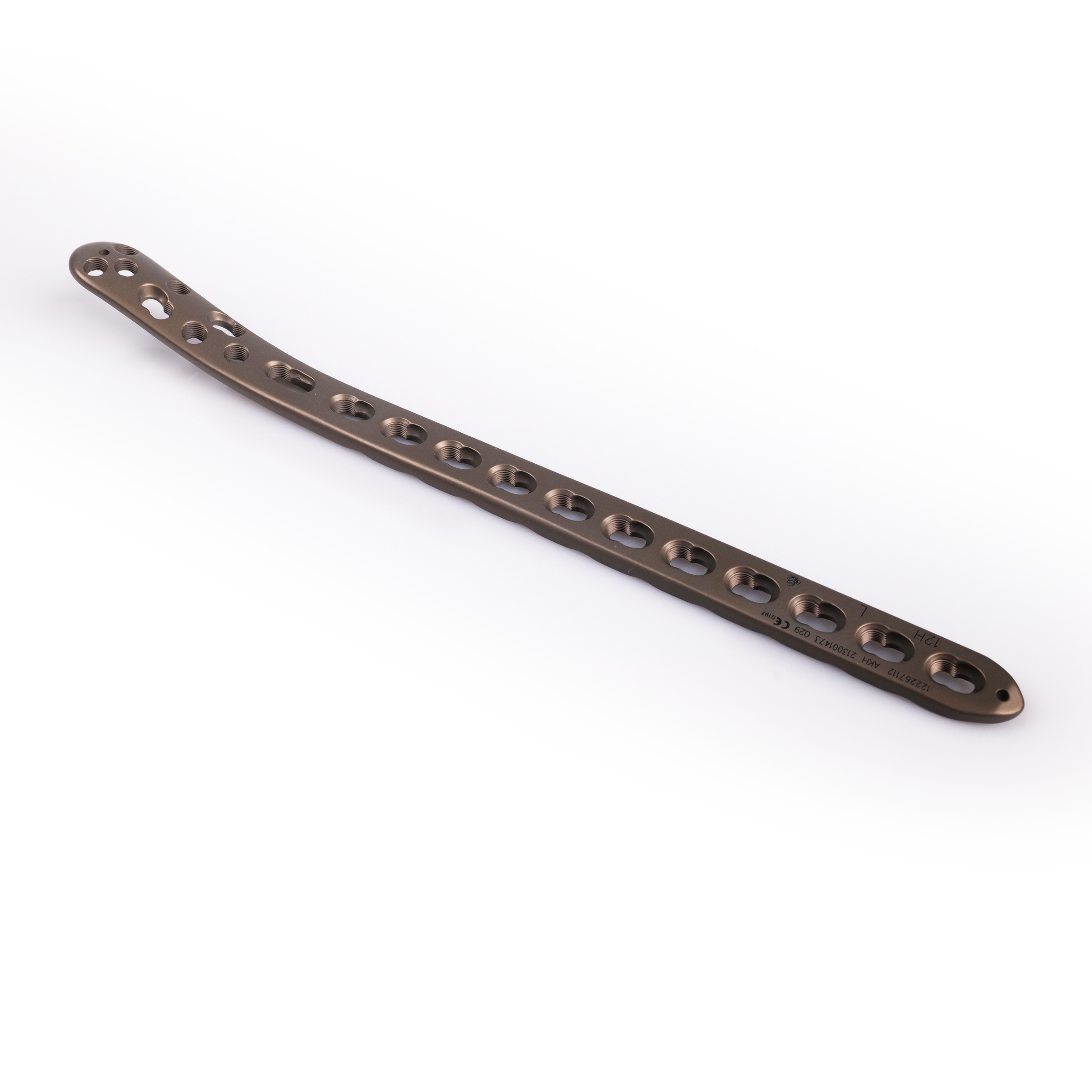
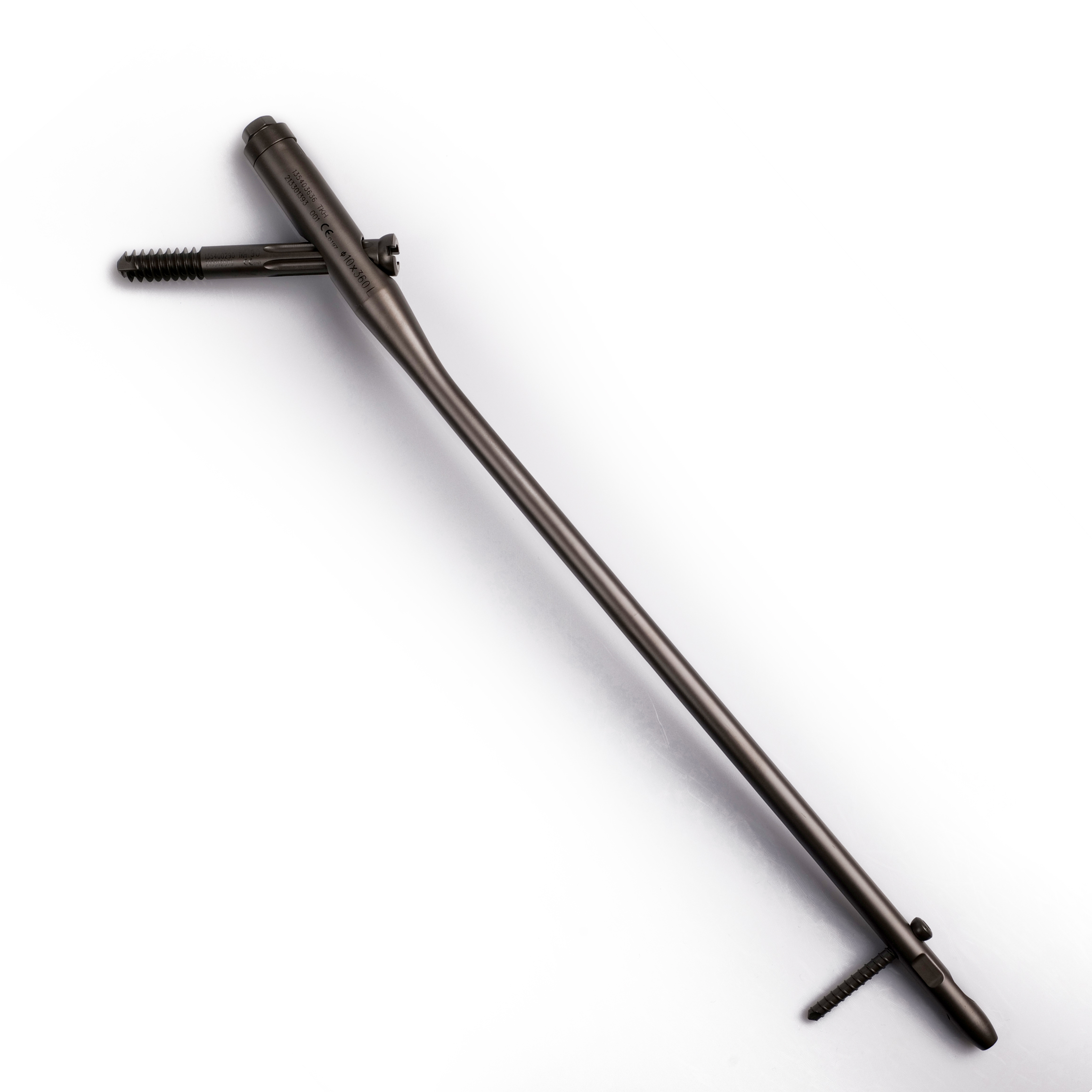
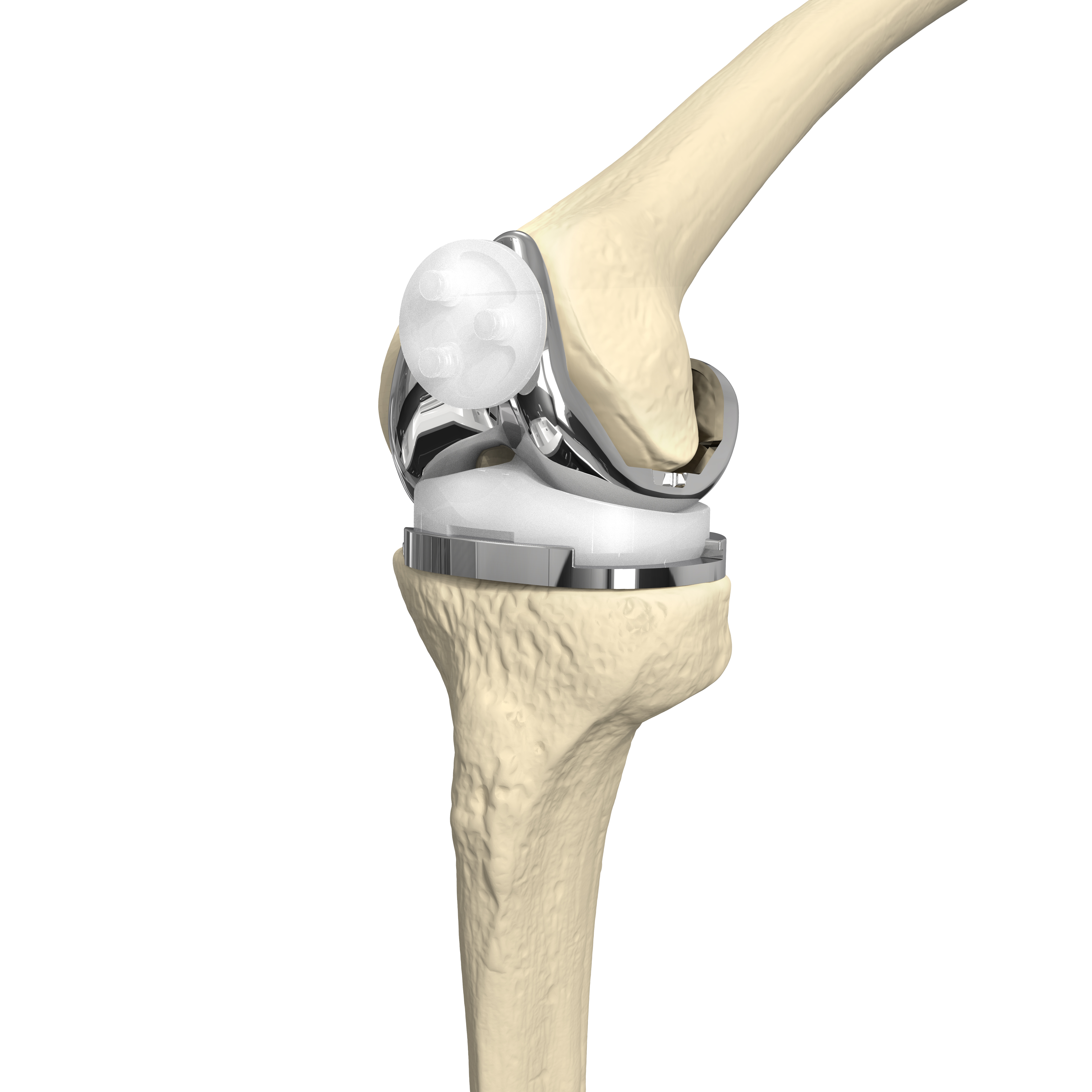
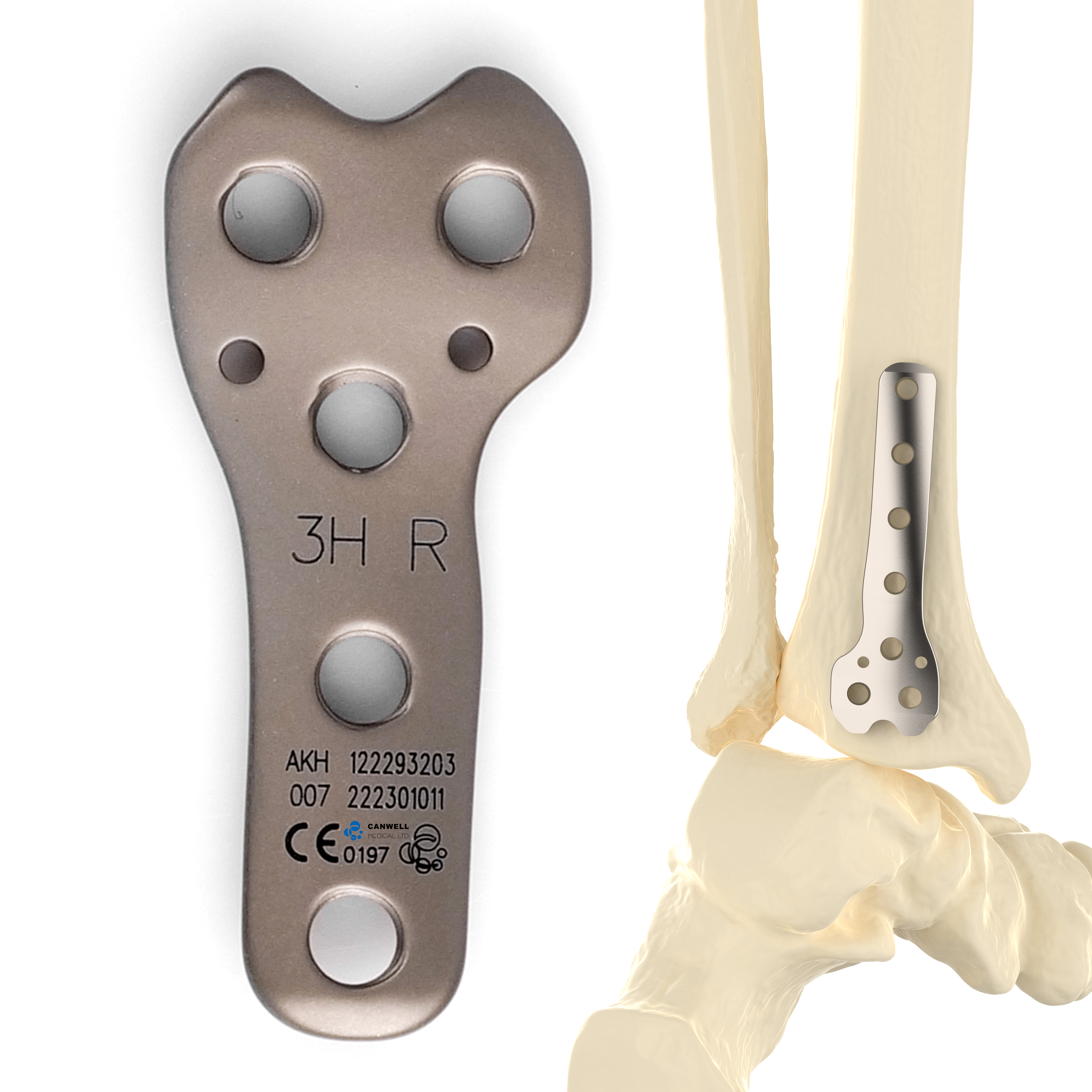
CANWELL Distal Medial Tibial Locking Plate Titanium Orthopedic Trauma Implant for Bone Fracture Fixation CE ISO OEM
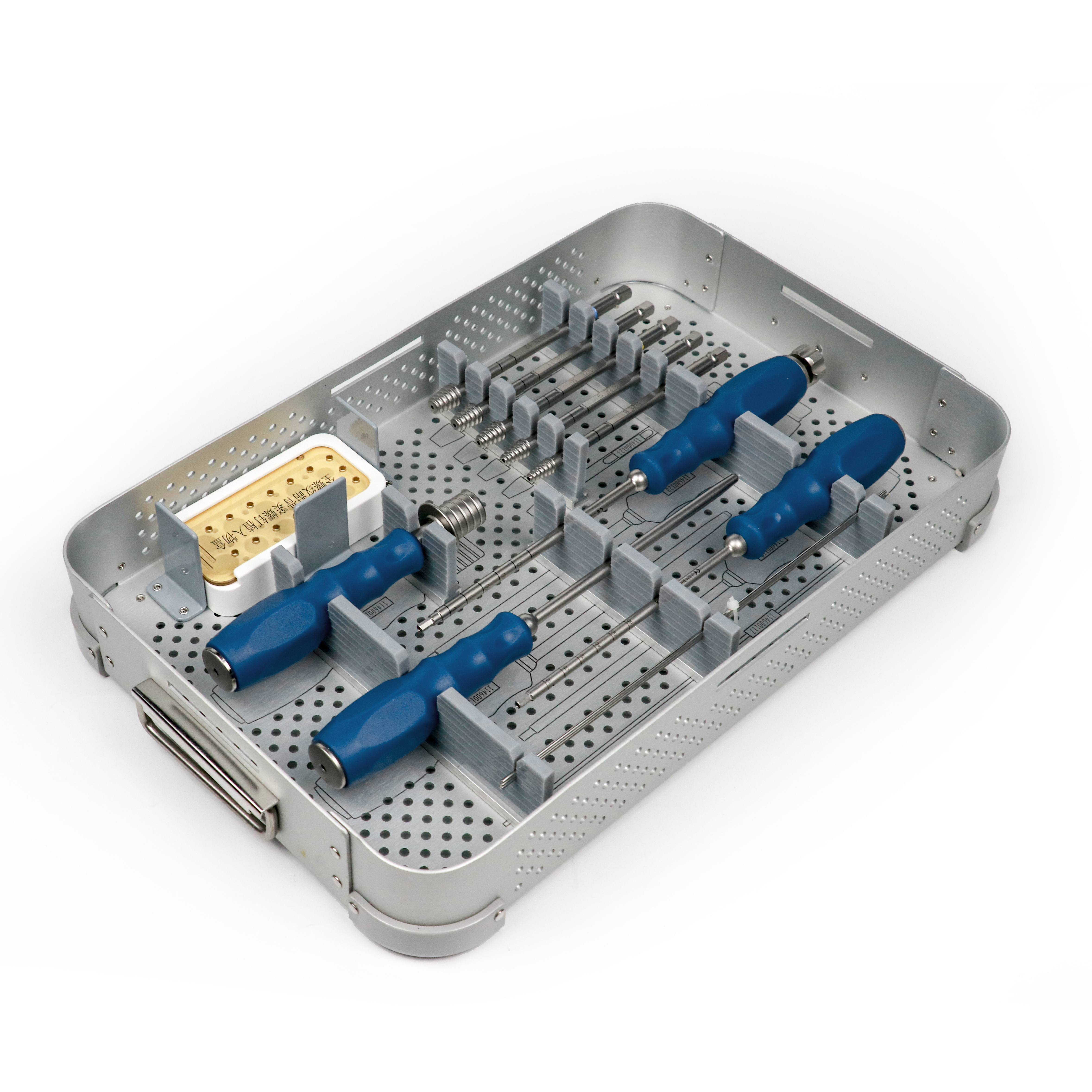
Direct supply line engineered to CE MDR and ISO 13485 standards, featuring precision-machined instrumentation, trauma plates, and biomaterial implants for clinical use.
Analyzing spinal fusion dynamics, local regulatory trends, and procedural integration in Belarusian neurosurgical centers.
As the healthcare infrastructure of Belarus modernizes, hospital centers across the Minsk Region—notably tertiary facilities such as the Republican Scientific and Practical Centre of Traumatology and Orthopedics and municipal emergency care hospitals—are encountering a pronounced shift in patient demographics. Degenerative disc disease (DDD), spondylolisthesis, spinal stenosis, and complex lumbar instability are driving an elevated volume of spinal arthrodesis surgeries. In addressing these spinal pathomorphologies, anterior cervical discectomy and fusion (ACDF), posterior lumbar interbody fusion (PLIF), and transforaminal lumbar interbody fusion (TLIF) have emerged as the standard-of-care interventions.
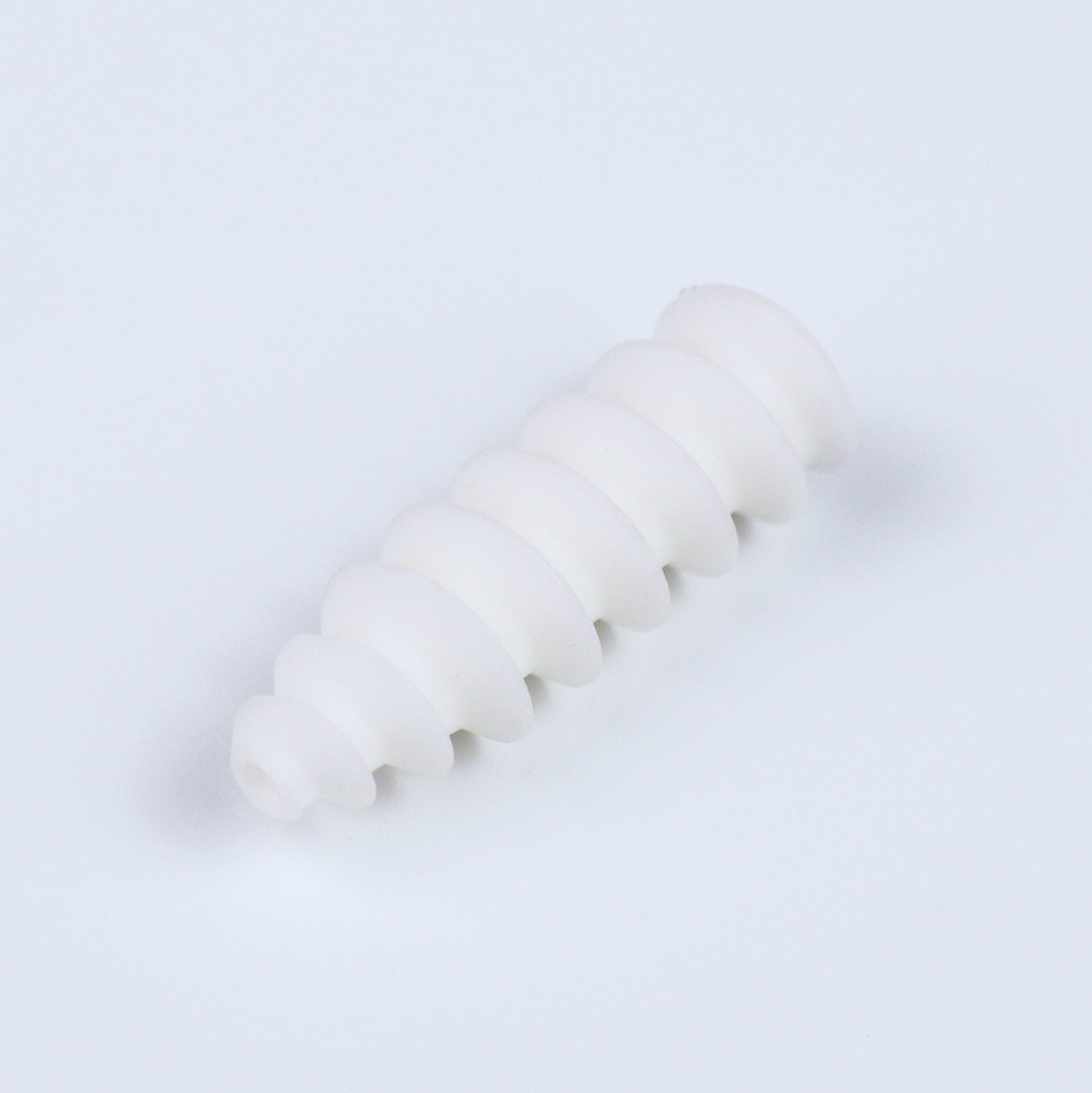
The operational environment for neurosurgeons in Minsk demands implants that exhibit both biomechanical endurance and immediate radiographical clarity. INAR Medical's interbody PEEK cage systems are fabricated exclusively from implantable-grade polymer matrix composites conforming strictly to ASTM F2026. The clinical advantages directly translate into tangible surgical outcomes across three key indications:
Anatomically contoured cages equipped with integrated tantalum radiopaque markers enable precise intraoperative fluoroscopy assessment. Provides immediate segmental lordosis restoration with optimized teeth profiling to prevent anterior displacement.
For PLIF and TLIF methodologies, our cages offer an expansive central graft chamber. This geometry facilitates dense autologous and allogenic bone graft compaction, maximizing the contact interface with decorticated vertebral endplates.
Engineered with bulleted bullet-nose tips to ensure self-distracting insertion across narrow transforaminal windows, mitigating iatrogenic dural sac retraction and protecting regional spinal nerve roots.
The regulatory framework governing medical device registration under the Ministry of Health of the Republic of Belarus (Центр экспертиз и испытаний в здравоохранении - ЦЭИЗ) emphasizes complete technical dossiers, sterile barrier validation, and demonstrable biocompatibility (ISO 10993). Furthermore, the transitional harmonization within the Eurasian Economic Union (EAEU) medical device framework demands that tier-1 suppliers provide unquestioned metallurgical and polymer pedigree.
As international supply disruptions impact Eastern Europe, municipal tenders and private clinical groups in Minsk are intentionally recalibrating their supply chains. Procuring teams seek direct factory partnerships in China capable of mitigating intermediary markup while delivering rigorous, MDR-compliant technical compliance files. INAR Medical bridges this operational gap by deploying export-ready technical data files, comprehensive mechanical fatigue life testing records (axial compression, torsion, and subsidence pursuant to ASTM F2077 and ASTM F2267), and rapid-delivery production runs.
Years Orthopedic Manufacturing
Specialized Workforce
Audited Facility Footprint
Onsite Verified Assessment
Operating an end-to-end 13-stage manufacturing continuum designed for dimensional consistency and sterile barrier compliance.
Zhejiang INAR Medical Co., Ltd. integrates 22+ years of mechanical engineering expertise with dedicated medical-grade polymer machining. Implants supplied to our partners in Minsk originate in our audited 29,523 m² facility, where longitudinal cutting, high-speed 5-axis CNC routing, automated surface deburring, ultrasonic decontamination, and cleanroom vacuum packaging operate in unified alignment.
Machined exclusively from medical-grade raw PEEK stock (Victrex / Evonik) certified for permanent human implantation. Full chemical verification certificates accompany every single dispatch batch.
Multi-axis computerized milling guarantees strict tooth pitch consistency and precise press-fit tolerance (+/- 0.01mm) for tantalum marker integration, preventing post-insertion pin migration.
Physical dynamic testing stations continuously validate cages against cyclic dynamic axial compression (5,000,000 cycles minimum) and static shear load testing to ensure zero structural rupture.
Cleanroom processing (Class 100,000) utilizing peelable medical-grade Tyvek blister packaging guarantees long-term sterility, shelf-life verification, and puncture resistance during transit.
The following performance matrix defines the dimensional, mechanical, and radiographical standards maintained across our PEEK interbody fusion portfolios supplied to Belarusian procurement bodies:
| Feature Parameter | Cervical Interbody PEEK System (ACDF) | Lumbar Interbody PEEK System (TLIF / PLIF) |
|---|---|---|
| Raw Material Specification | Biocompatible PEEK Optima / ASTM F2026 | Biocompatible PEEK Optima / ASTM F2026 |
| Modulus of Elasticity (E) | 3.5 – 4.0 GPa (Cancellous bone equivalent) | 3.5 – 4.0 GPa (Substantially lowers stress shielding) |
| X-Ray Imaging Verification | 2–3 Medical Grade Tantalum Pins (ASTM F560) | 3–4 Radiopaque Markers indicating cage perimeter |
| Lordotic Angles Available | 0°, 4°, 7° Anatomical Contours | 4°, 8°, 12° Anatomical Contours for Sagittal Realignment |
| Implant Height Matrix | 5.0 mm to 9.0 mm (1.0 mm Increments) | 7.0 mm to 16.0 mm (1.0 mm Increments) |
| Compressive Strength Limit | > 15 kN (Exceeds physiological thresholds) | > 25 kN (High-load axial static performance) |
| Surface Tooth Design | Directional anti-migration serrations | Bidirectional pyramidal anti-slip stabilization |
Addressing core technical, regulatory, shipping, and customization questions frequently submitted by Belarusian distributors.
Partner directly with Zhejiang INAR Medical Co., Ltd. for CE-certified interbody PEEK cages, trauma implants, and matched precision surgical instrumentation. Receive comprehensive pricing schedules, technical dossiers, and regulatory support today.