High-Precision Trauma & Surgical Fixation Systems for Santiago
Engineered from medical-grade pure titanium and biocompatible alloy bar stock, every system is machined on multi-axis CNC centers, ultrasonically washed, penetrant-tested, and packaged under certified cleanroom environments for immediate regulatory compliance in the Chilean market.
Chilean Healthcare Dynamics: Supplying Santiago's Public & Private Sectors
Santiago stands as the undeniable epicenter of healthcare delivery, clinical innovation, and biomedical supply consumption in Chile. Operating across the Región Metropolitana, the Santiago healthcare market is structurally bifurcated into the robust public health network coordinated through the Fondo Nacional de Salud (FONASA) and the municipal health services (SSMN, SSMS, SSO, SSMC), alongside the technologically sophisticated private hospital and clinic sector regulated under private insurers (ISAPRE). Sourcing surgical wound closure materials, high-tensile surgical sutures, trauma fixation plates, and reconstructive orthopedic implants requires an in-depth understanding of the dual procurement mechanisms governing this sophisticated South American capital.
In the public domain, central tenders are conducted via CENABAST (Central de Abastecimiento del Sistema Nacional de Servicios de Salud) and the transparent public contracting portal Mercado Público. Chilean public hospitals operate under stringent annual budget allocations while fulfilling strict statutory clinical timelines established by the Garantías Explícitas en Salud (GES / AUGE) framework. Under GES protocols, pathologies such as acute hip fractures in elderly patients, high-energy politraumatismos resulting from vehicular incidents on Santiago's autopistas, and major joint osteoarthritic degradation mandate immediate surgical intervention within legally enforced operational windows. Any supply chain interruption or quality discrepancy involving defective suture tensile strength or substandard plate metallurgy directly exposes healthcare administrators to severe regulatory sanctions.
Key Procurement Imperative: Under the regulatory mandate of the Instituto de Salud Pública (ISP) de Chile (Decreto Supremo Nº 825/11 and Norma Técnica Nº 327), surgical sutures, non-absorbable/absorbable meshes, and Class IIb/Class III surgical implants entering Santiago must provide certified proof of conformity, batch sterility documentation (Gamma or EtO validation ISO 11135 / ISO 11137), and comprehensive biocompatibility testing under ISO 10993.
Santiago Localized Clinical Application Environments
Medical devices manufactured in our Zhejiang facility are deployed across diverse clinical workflows within Santiago's metropolitan zone. Sourcing directors and local biomedical distributors demand specialized configurations tailored to exact anatomical and surgical demands:
High-Energy Emergency Trauma Centers
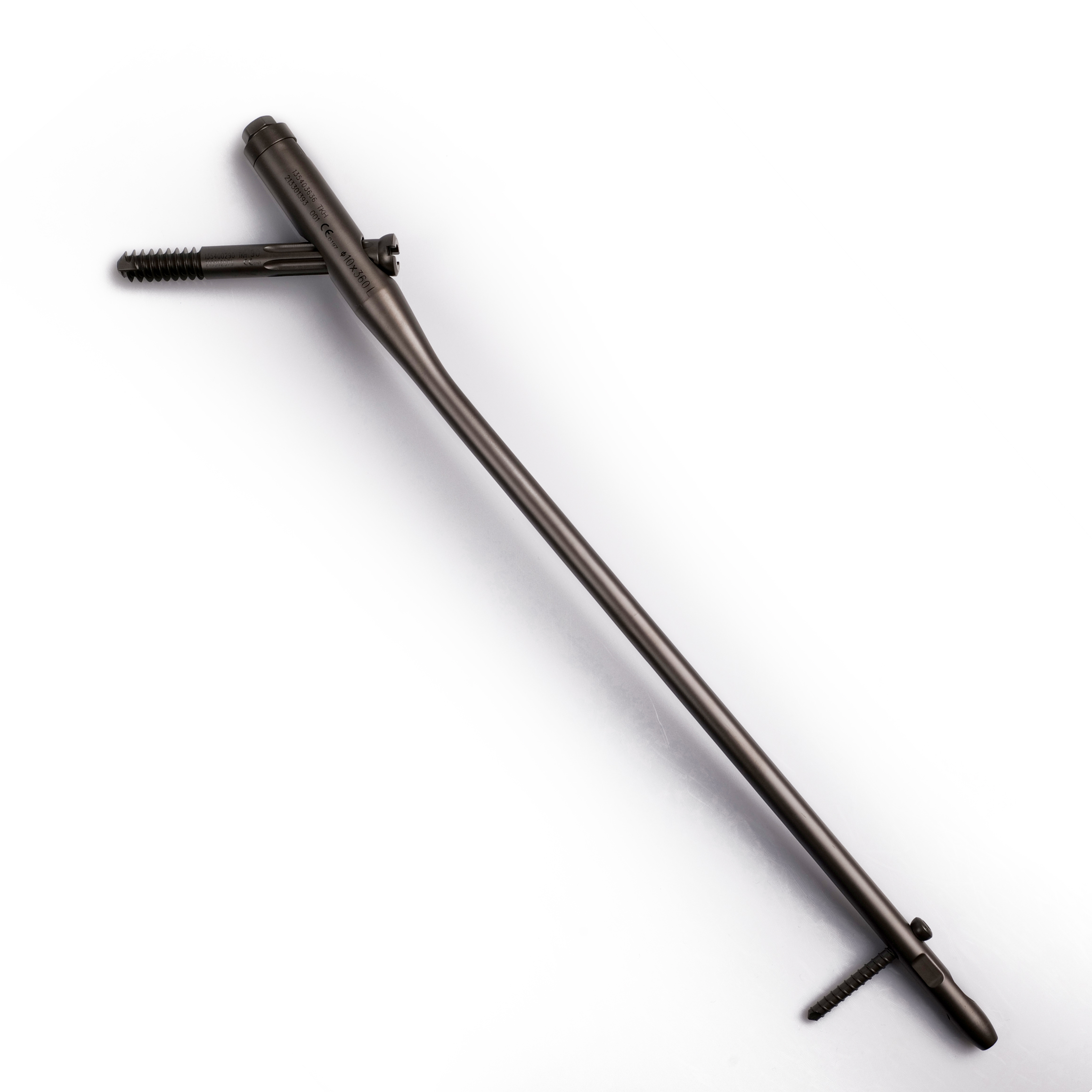
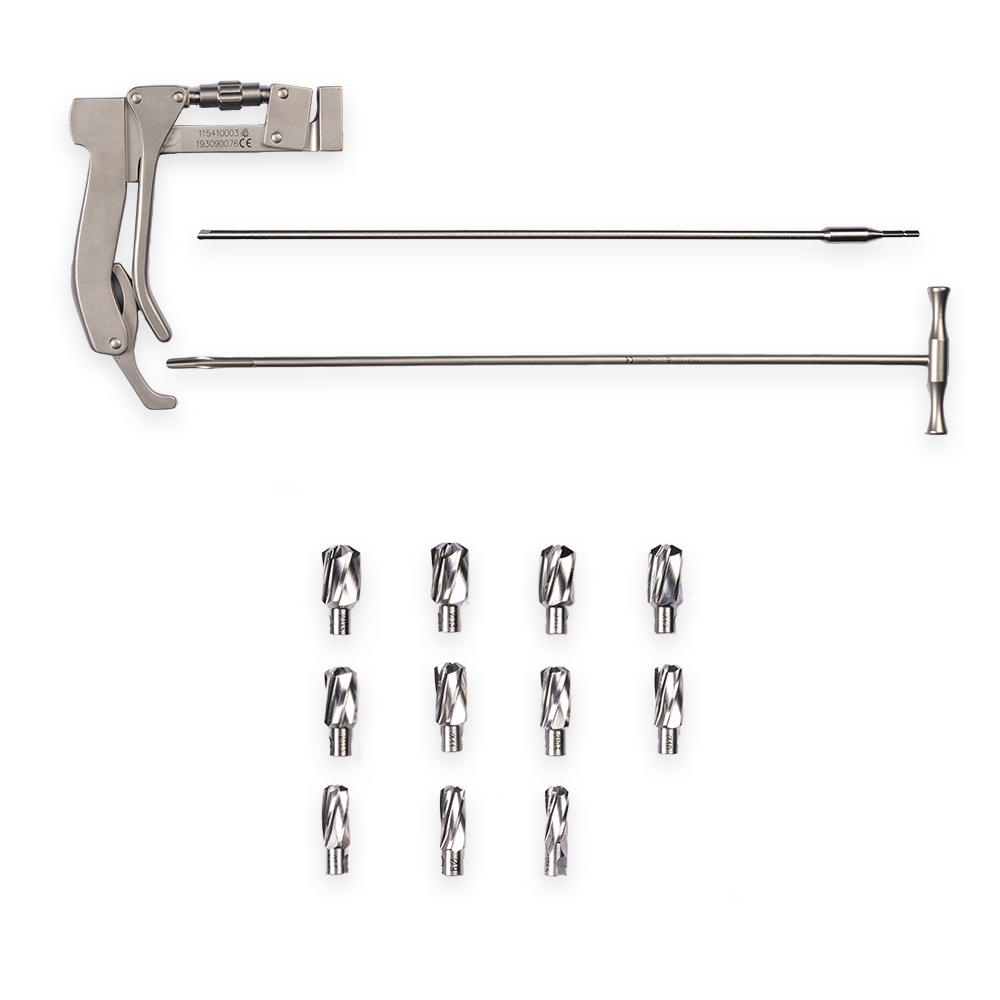
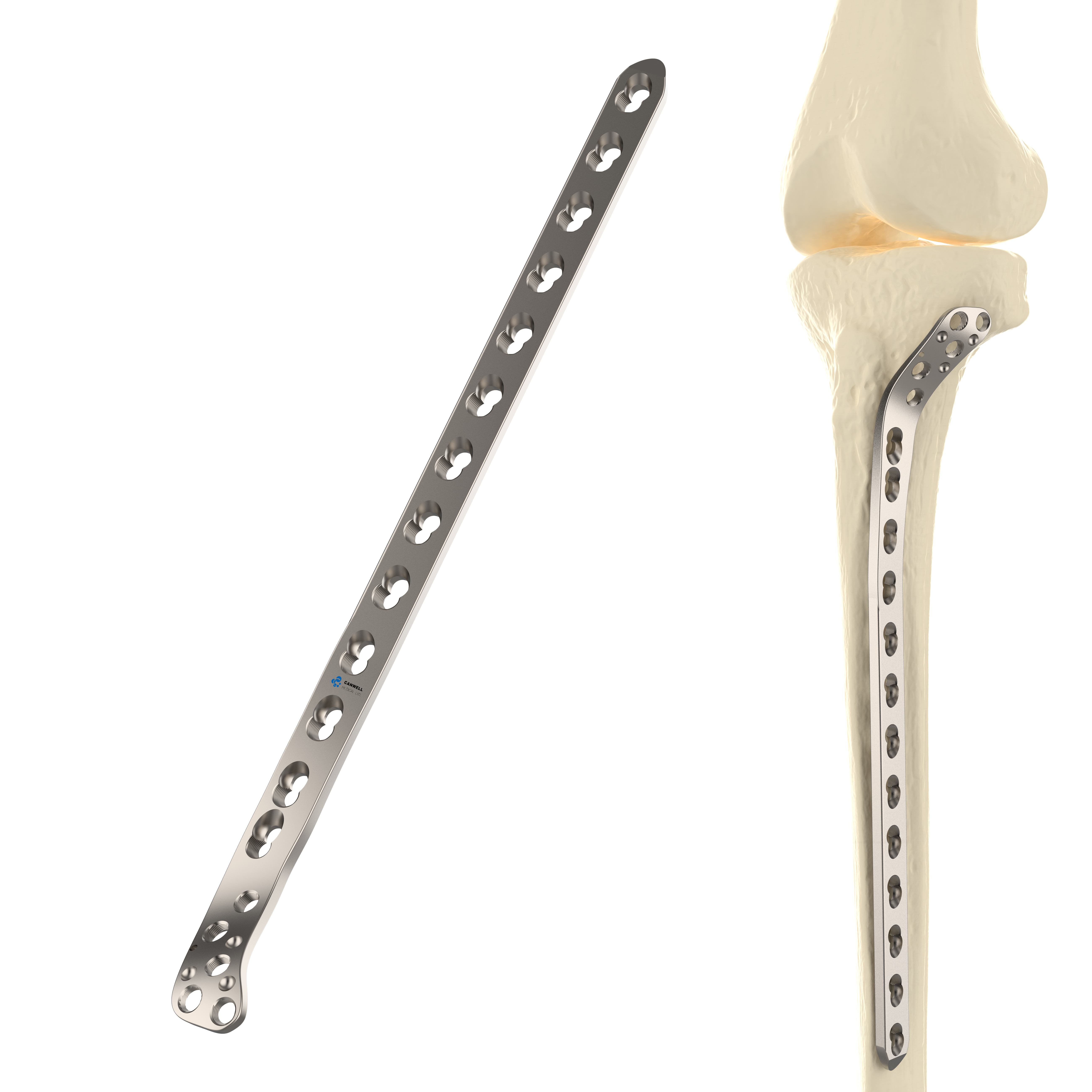
Facilities like Hospital de Urgencia Asistencia Pública (HUAP / Posta Central), Hospital Barros Luco Trudeau, and Hospital San José handle extreme vehicular and occupational polytrauma. Surgeons rely heavily on our Titanium PFNA intramedullary nails, flexible reamer suites, and variable-angle distal femoral locking plates for rapid damage control surgery, offering immediate primary mechanical stability and biological osteosynthesis.
Occupational Mutualities & Mining Evacuations
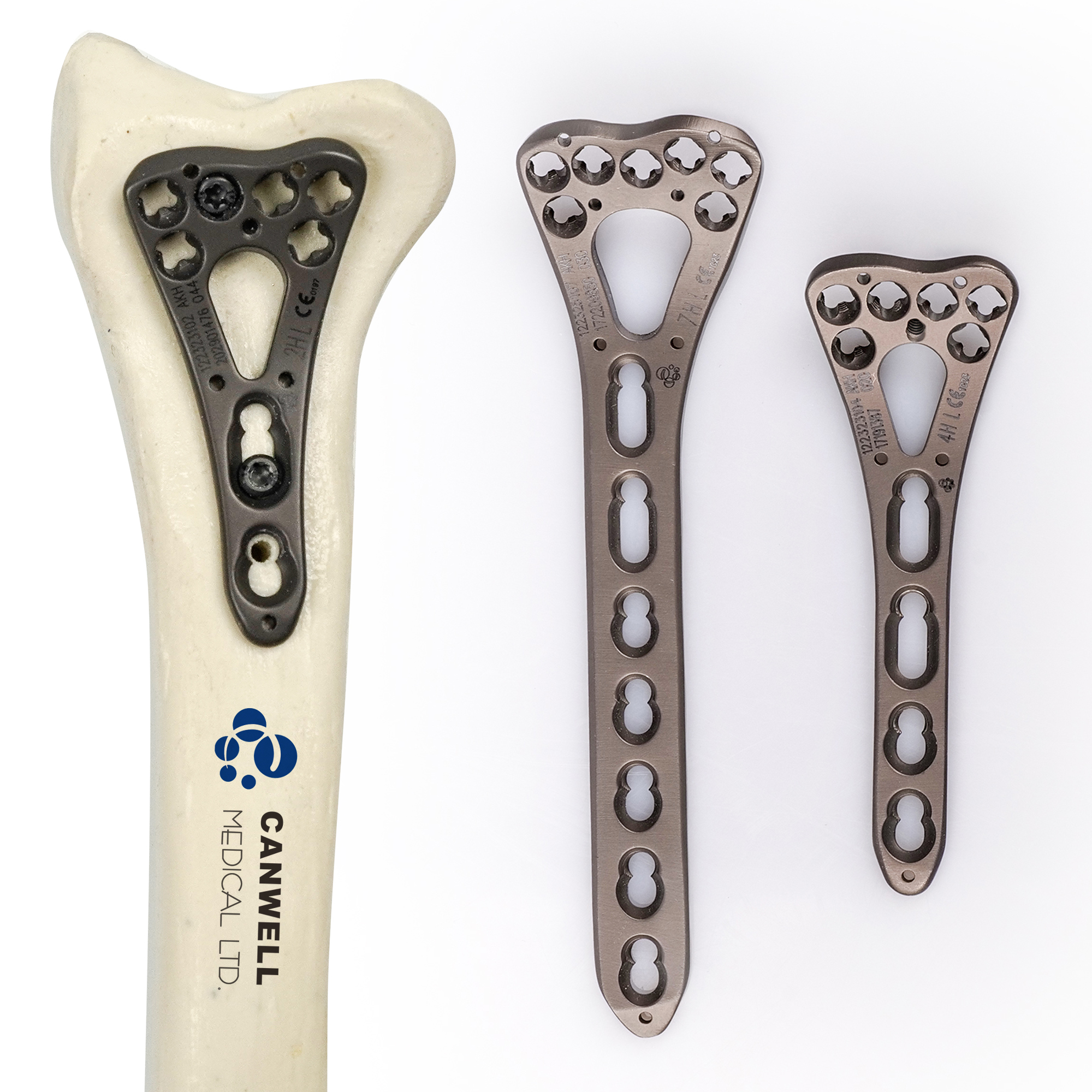
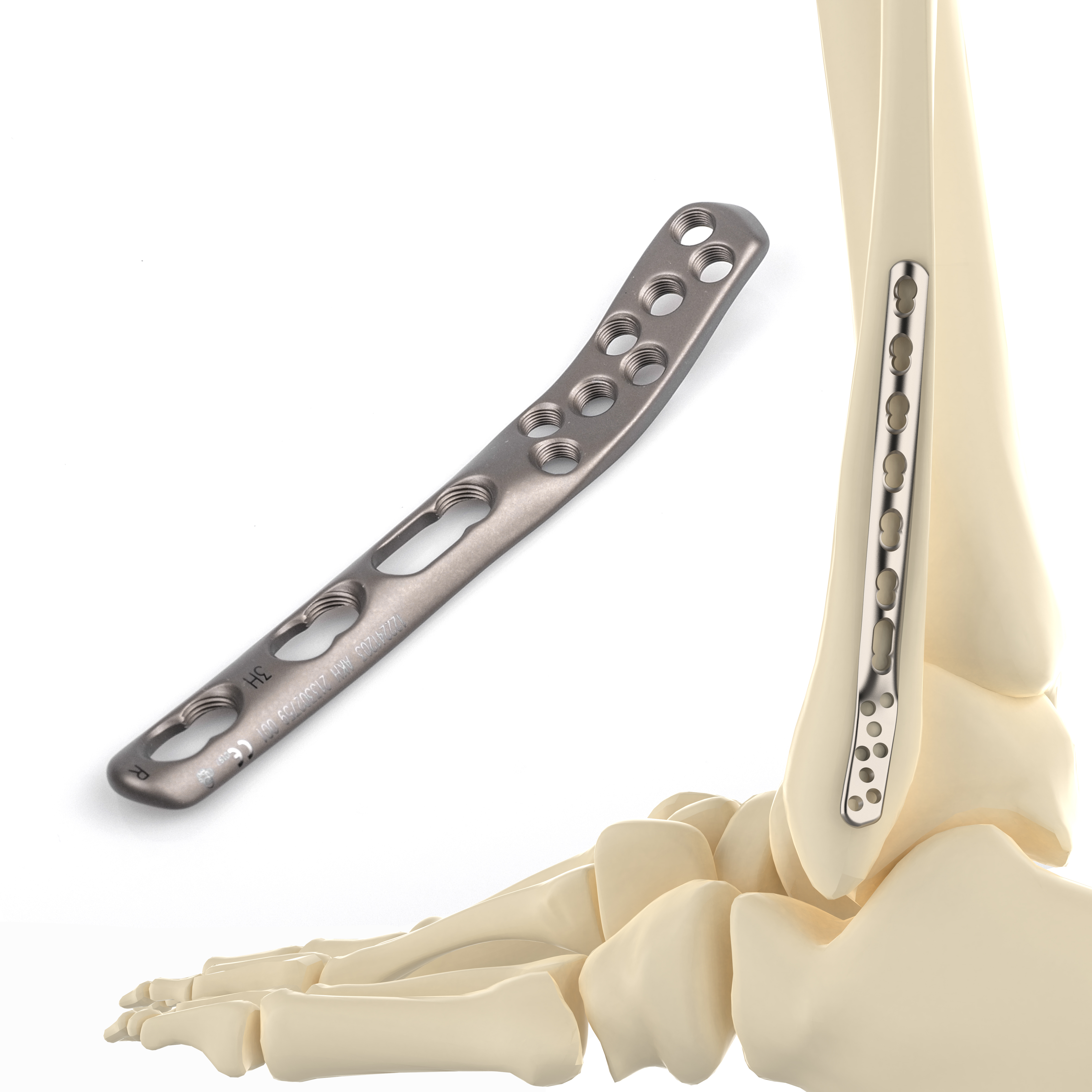
Santiago functions as the tertiary trauma reception center for northern copper mining injuries via Hospital del Trabajador (ACHS) and Hospital Clínico Mutual de Seguridad. Extremity injuries require rigorous soft-tissue reconstruction pairing ultra-high molecular weight polyethylene (UHMWPE) braided surgical sutures, sinus tarsal screws, and anatomically profiled distal fibula plates to withstand premature weight-bearing protocols.
Private Elective & Sports Medicine Pavilions
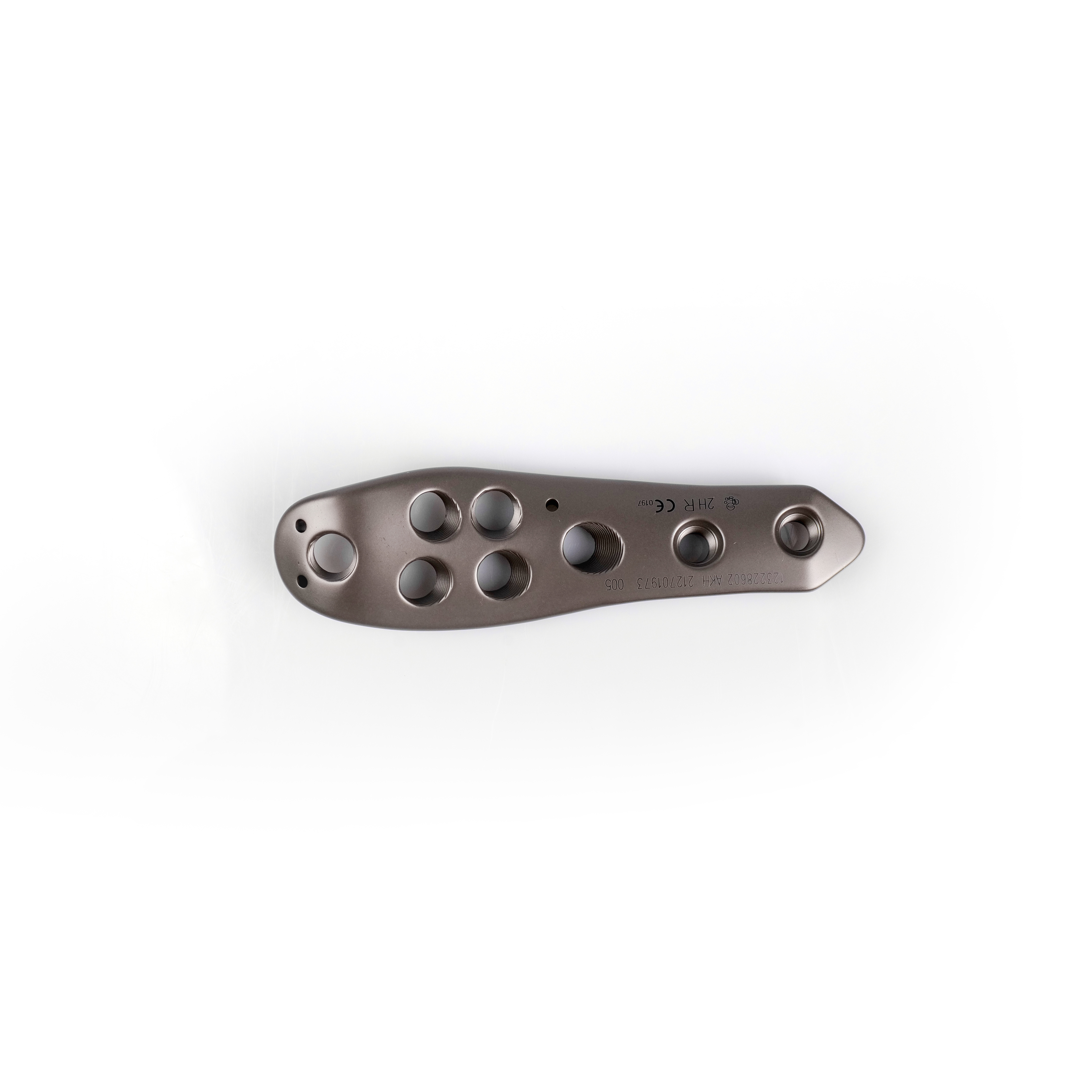
Elite private medical hubs such as Clínica Alemana, Red de Salud UC CHRISTUS, and Clínica Las Condes focus on minimally invasive articular preservation. Suture anchors, bioabsorbable interference fixation, and low-profile palmar volar wrist plates demand mirror-finish passivation, zero metal debris, and micro-contoured edges to eliminate flexor tendon attrition.
Key Market Trends Reshaping Surgical Device Sourcing in Santiago
The procurement landscape across Chile is currently undergoing profound structural evolutions. Importers, clinical distribution consortiums, and hospital material management boards in Santiago are adopting progressive criteria that go beyond base FOB purchase pricing.
1. CENABAST Direct Sourcing Expansion
Chile's National Supply Center (CENABAST) is progressively eliminating domestic trading intermediaries through direct international tender mechanisms for critical surgical consumables and osteosynthesis hardware. Direct China factory partnerships offering audited manufacturing files provide Santiago importers with the margin structure necessary to win competitive public adjudications.
2. Stringent Regulatory Harmonization (ISP)
The Chilean Instituto de Salud Pública has heightened scrutiny regarding the traceability of Class II and III invasive medical devices. Importers in Santiago increasingly mandate that overseas manufacturing facilities demonstrate independent third-party onsite audits (such as SGS), clear ISO 13485:2016 quality management frameworks, and CE marking under European Medical Device Regulation (MDR 2017/745).
3. Transition to Ergonomic Pre-Packaged Sterile Kits
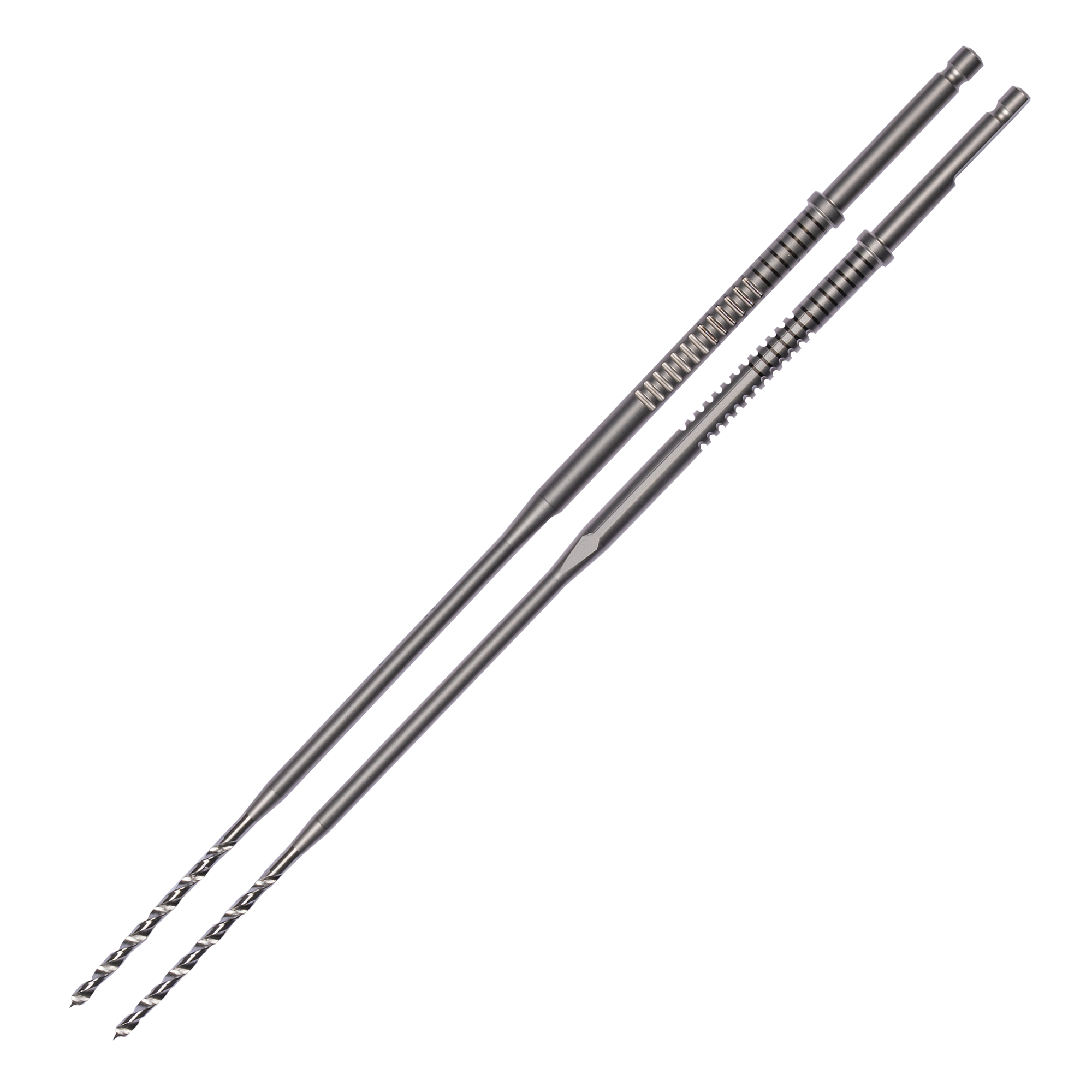
Surgical operating suites throughout the Metropolitan Region face heavy staffing constraints and autoclave workload backlogs. A distinct trend is accelerating the demand for single-patient pre-sterilized trauma kits, gamma-irradiated suture-plate combinations, and color-coded disposable drill and reaming tooling that eliminate intra-operative decontamination errors.
Technical Comparison: Standard Import vs. Verified OEM Manufacturer
For Chilean procurement boards evaluating supply contracts, technical discrepancies directly impact clinical outcomes and regulatory clearance through Chilean Customs (Servicio Nacional de Aduanas):
| Evaluation Parameter | Generic Exporters / Trading Houses | INAR / CANWELL Verified Factory Standards |
|---|---|---|
| Raw Material Integrity | Commercial-grade titanium or uncertified steel; variable tensile fatigue limits. | Certified medical Ti-6Al-4V ELI (ASTM F136) & 316LVM (ASTM F138) with mill test reports. |
| Traceability & Marking | Inconsistent ink printing or missing batch codes on secondary boxes. | High-contrast fiber laser etching with micro-Datamatrix and complete heatsheet tracking. |
| Cleanroom Packaging | Uncontrolled secondary workshop bagging; particulate contamination risks. | Class 10,000 (ISO Class 7) aseptic packaging suites; double sterile barrier validation. |
| ISP Chile Dossier Readiness | Partial documentation requiring lengthy domestic laboratory testing. | Full Technical Files, CE MDR certificates, biocompatibility reports (ISO 10993), & DoC. |
| Custom Contouring & OEM | Fixed catalogue designs with high minimum order quantities. | Full OEM/ODM tooling customization, customized plate curvature, and private laser labeling. |
22+ Years of Orthopedic Manufacturing Excellence
Operating from our 29,523 m² facility in Jinhua, Zhejiang, Zhejiang INAR Medical Co., Ltd. combines rigorous Japanese precision machining, German metallurgical finishing, and continuous SGS-audited quality management.
End-to-End In-House Manufacturing Workflow
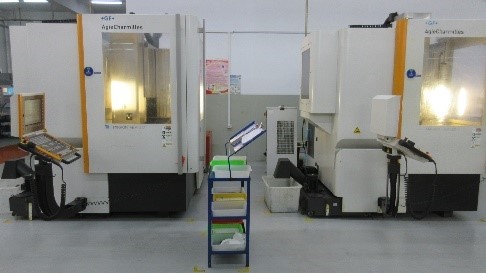
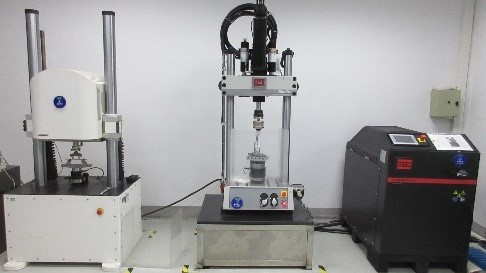
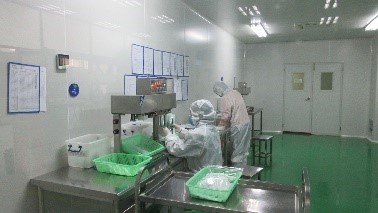
Unlike export traders who outsource critical machining stages to unregulated job shops, INAR maintains absolute control across every station of our 13-stage manufacturing process. From raw bar stock spectral analysis to multi-stage ultrasonic de-greasing, passivating, and Class 10,000 cleanroom sealing, our vertically integrated plant ensures total mechanical repeatability.
Advanced Surface Treatment & Anodizing
Our computerized titanium anodization process produces uniform Type II protective oxide coatings that dramatically reduce friction co-efficients and tissue adhesion. Color-coded titanium systems (gold, green, blue, magenta) enable surgical scrub nurses in Santiago operating rooms to rapidly match screw diameters with plate hole geometries under pressurized clinical timelines.
100% Outgoing Quality Control (OQC)
Every single implant undergoes coordinate measuring machine (CMM) dimensional verification, optical profile projection, and liquid fluorescent penetrant inspection to detect micro-surface fissures. Metallurgical batch testing certificates are archived for 15 years to guarantee full accountability across the clinical lifespan of the implant.
Frequently Asked Questions by Santiago Medical Importers
Practical answers addressing regulatory clearance, customs documentation under the China-Chile FTA, sterilization validation, and logistical lead times.
Equip Your Santiago Healthcare Supply Chain with Factory-Direct Quality
Whether you are preparing a CENABAST public hospital tender bid, supplying the trauma units of the Chilean mutualities, or establishing a private-label orthopedic implant brand in Santiago, partner directly with China's certified manufacturing source. Request technical catalogs, compliance dossiers, and FOB/CIF Valparaíso quotation schedules today.