Recommended Orthopedic Implants & Surgical Instrument Sets
Supplying Belgrade clinical trauma centers and Balkan distributors with high-grade Ti6Al4V ELI titanium anatomical plates, cannulated systems, and arthroplasty instruments.
Clinical Landscape & Fracture Plate Utilization in Belgrade's Healthcare Infrastructure
Belgrade serves as the primary medical, surgical, and academic referral axis for the Republic of Serbia and neighboring territories in the Western Balkans. Tertiary medical facilities—most notably the University Clinical Centre of Serbia (UKCS), the Institute for Orthopaedic Surgery "Banjica", the Military Medical Academy (VMA), and the Clinical Hospital Centre Zemun—handle complex polytrauma, fragility osteoporotic fractures, and high-energy impact injuries occurring across central European transit corridors (Pan-European Corridors X and VII).
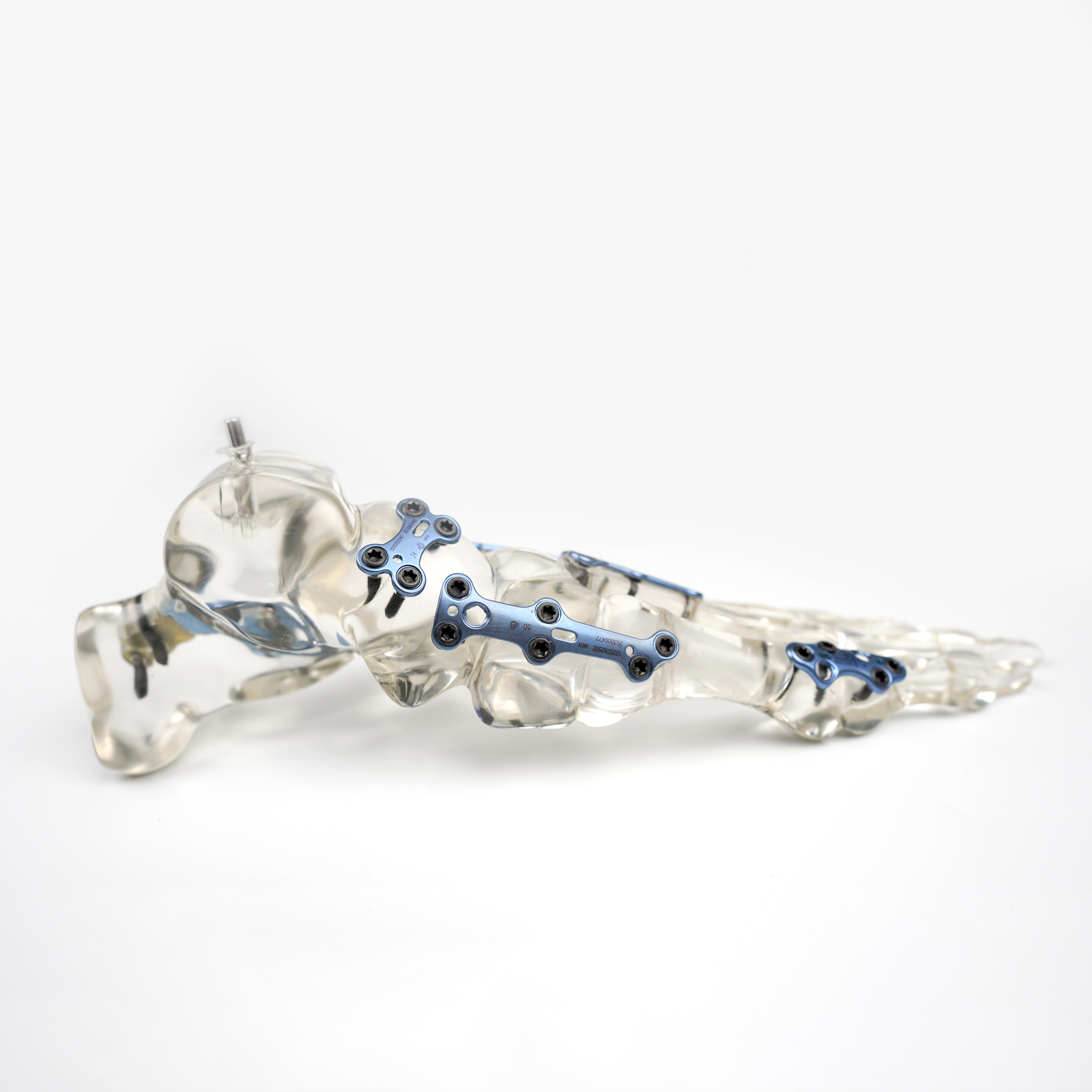
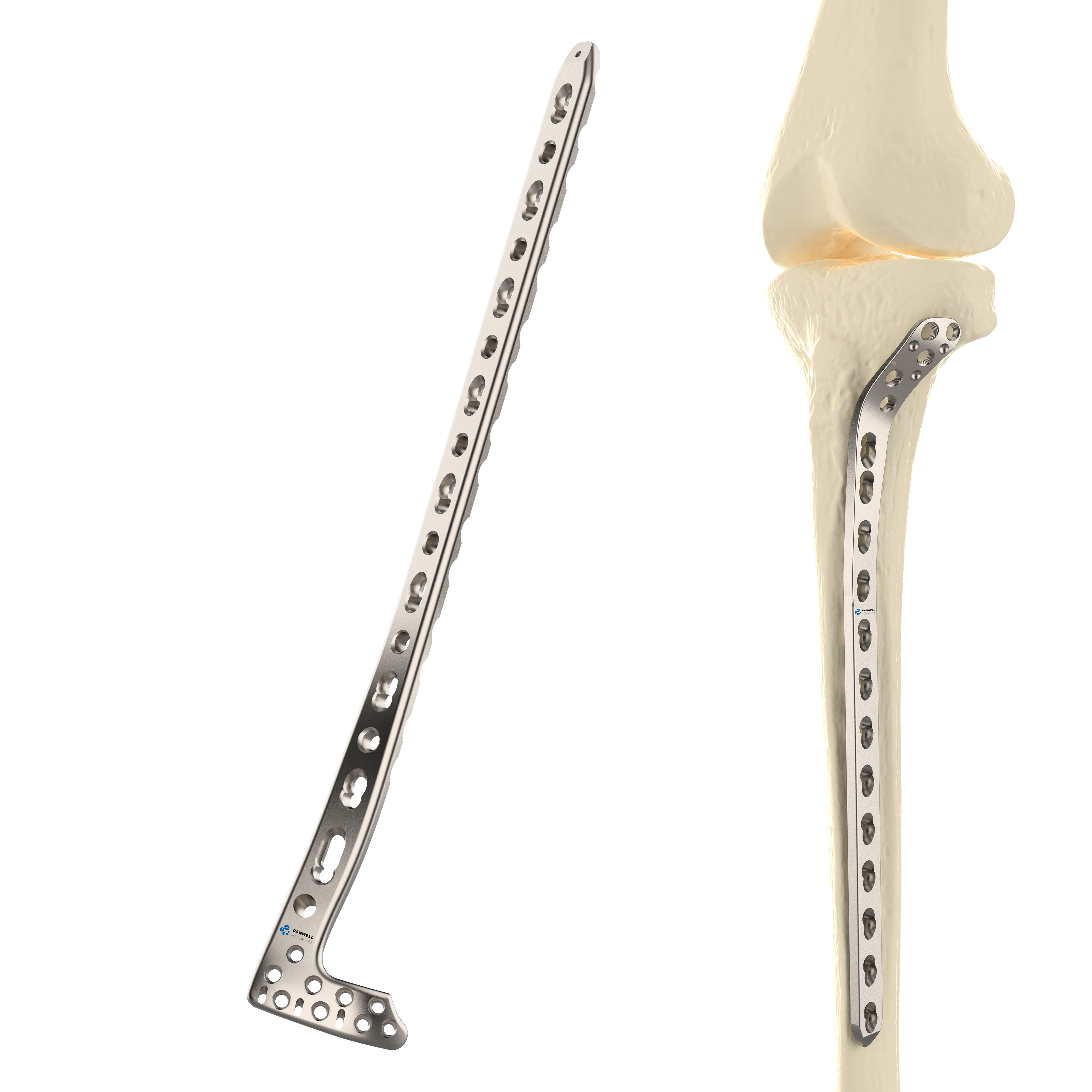
Fracture plates utilized in Belgrade's clinical trauma units require strict adherence to biomechanical and metallurgical stability standards. Primary fixation methodologies demand anatomically contoured locking compression plates (LCP) that minimize soft-tissue stripping, preserve periosteal vascularization, and accommodate varying bone mineral densities (BMD). From complex periarticular tibial plateau comminutions to osteoporotic distal radius fractures in the aging demographics of Belgrade and Novi Sad, titanium alloy plates (Grade 5 Ti-6Al-4V ELI conforming to ASTM F136 / ISO 5832-3) offer the necessary balance of low elasticity modulus, high fatigue resistance, and radiolucent clarity under intraoperative fluoroscopy.
Polytrauma & High-Energy Fractures
Treatment of complex open comminutions and distal metaphyseal fractures admitted to emergency trauma hubs via Corridors X and VII, demanding angular stability and low-profile plating.
Geriatric Fragility Fixation
Addressing osteoporotic metaphyseal fractures in elderly patients where bone-screw toggle risk is high; fixed-angle locking screws prevent primary loss of anatomical reduction.
Sports Medicine & Reconstruction
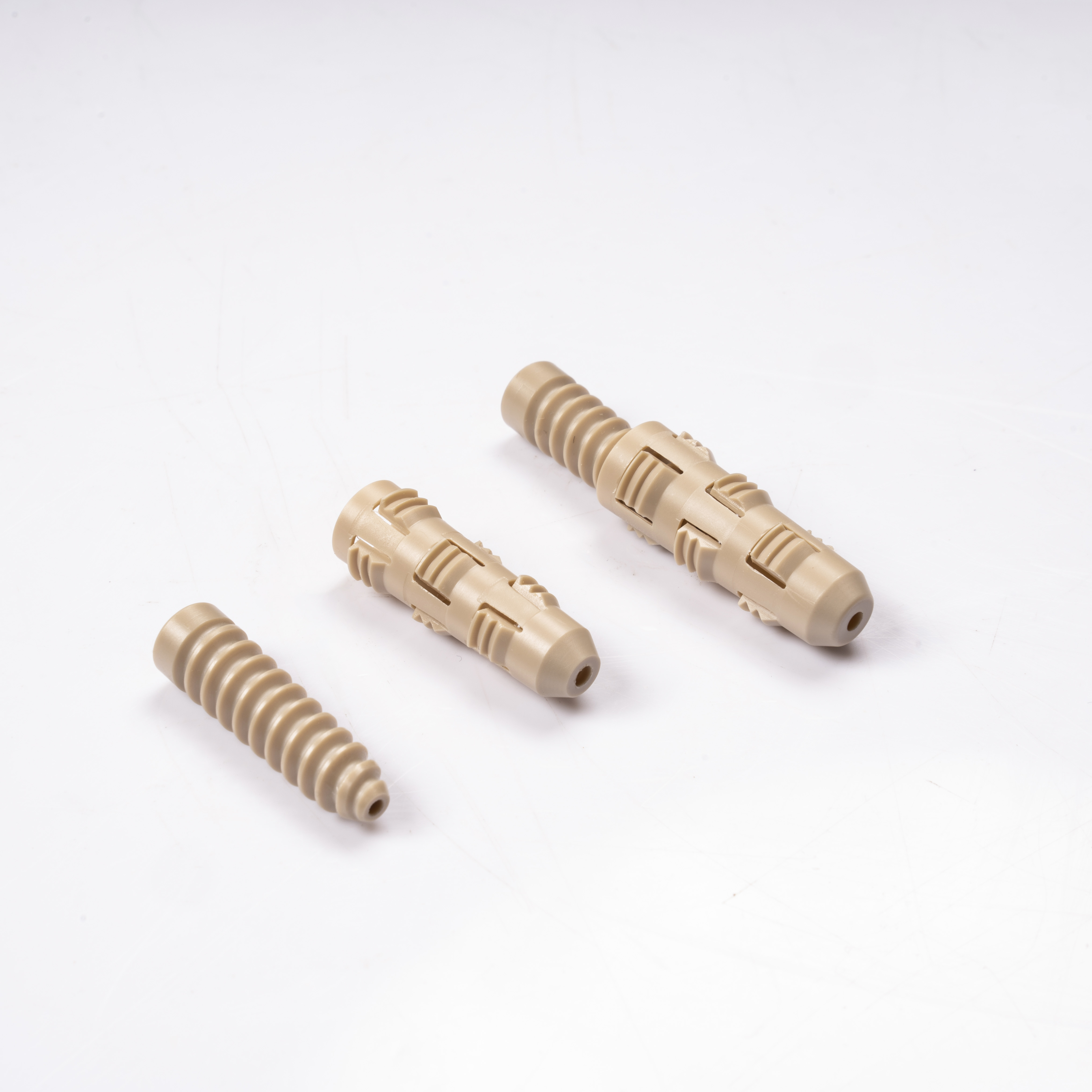
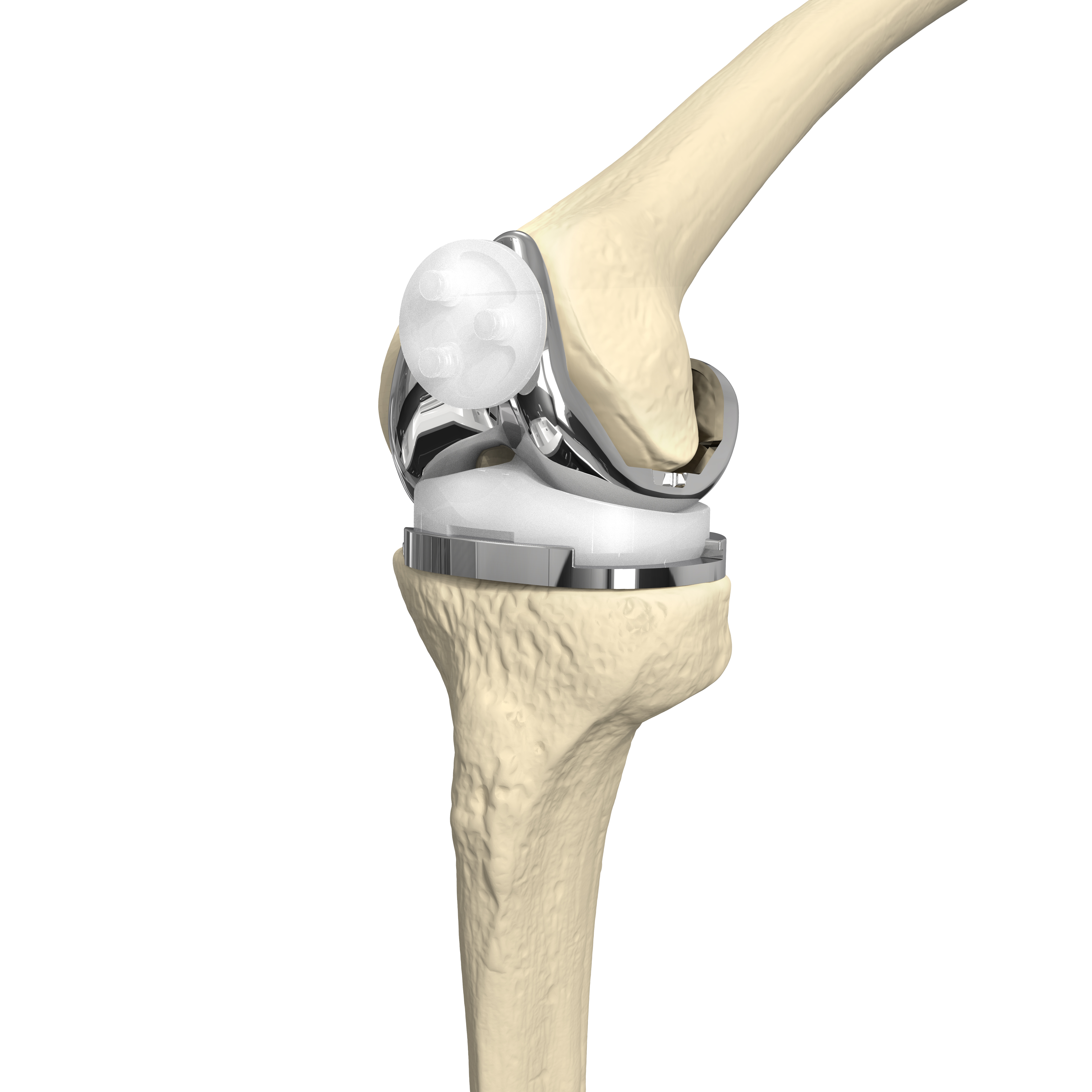
Reconstructive procedures coordinated with modern arthroscopy instrumentation, headless cannulated screws, and bioabsorbable interference systems across specialized orthopedic clinics.
Procurement Drivers & Regulatory Trends in the Serbian Orthopedic Market
The orthopedic supply ecosystem in Belgrade is undergoing systematic modernisation, driven by national health insurance reforms, EU regulatory alignment, and increased capital investment in hospital surgical wings. Serbian tender boards and healthcare distributors look for four core factors when importing trauma implants:
ALIMS Compliance & MDR
Registration with the Medicines and Medical Devices Agency of Serbia (ALIMS) requires full CE conformity documentation under EU MDR 2017/745 or valid MDD 93/42/EEC certifications.
RFZO Tender Efficiency
The Republic Fund for Health Insurance (RFZO) centralizes public healthcare tenders, emphasizing durability, biocompatibility, and batch consistency at controlled unit prices.
Pre-Contoured Anatomical Fit
Surgeons demand plates engineered to anatomically match bone contours, reducing operative bending time and preventing stress fractures caused by improper mechanical contouring.
Complete Instrument Kits
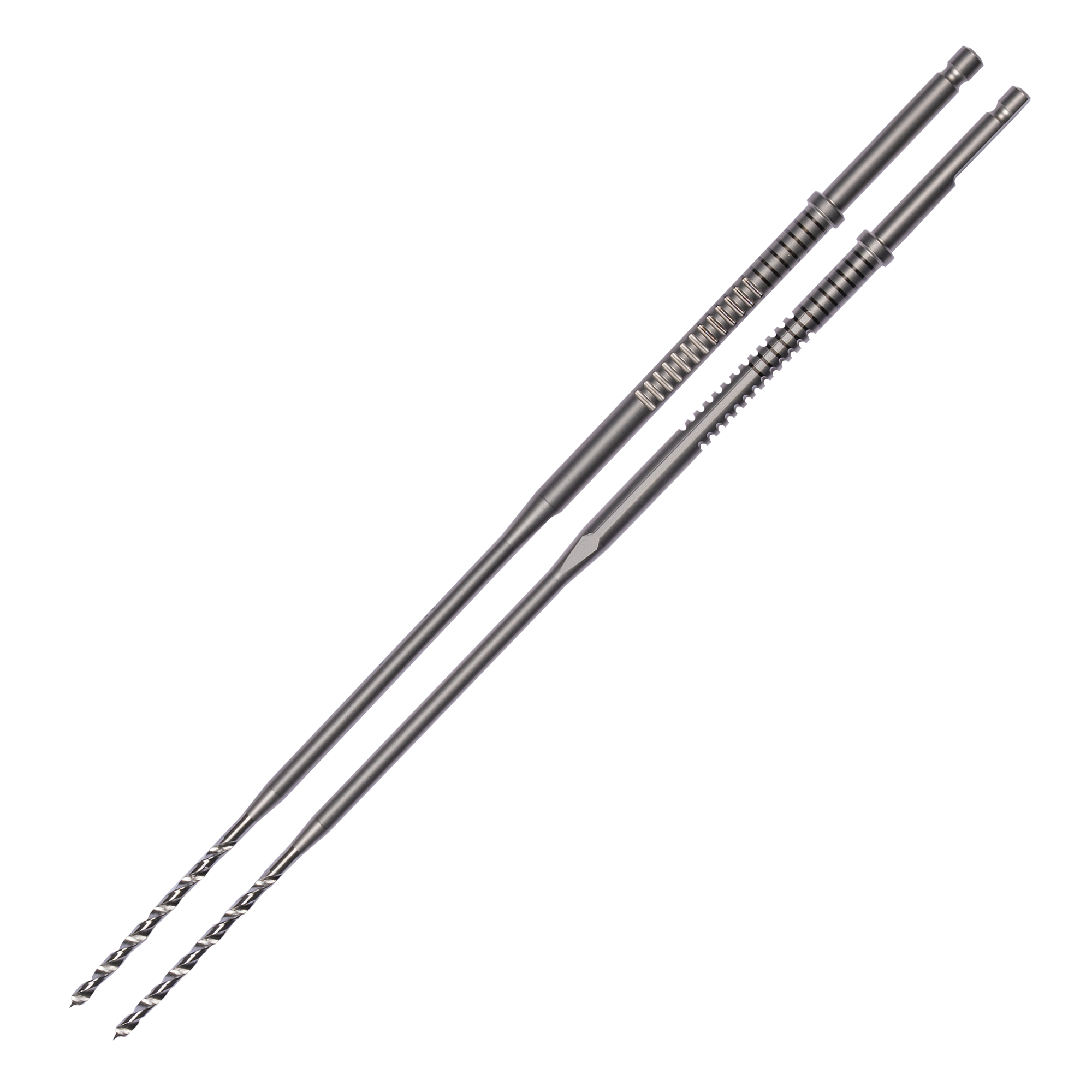
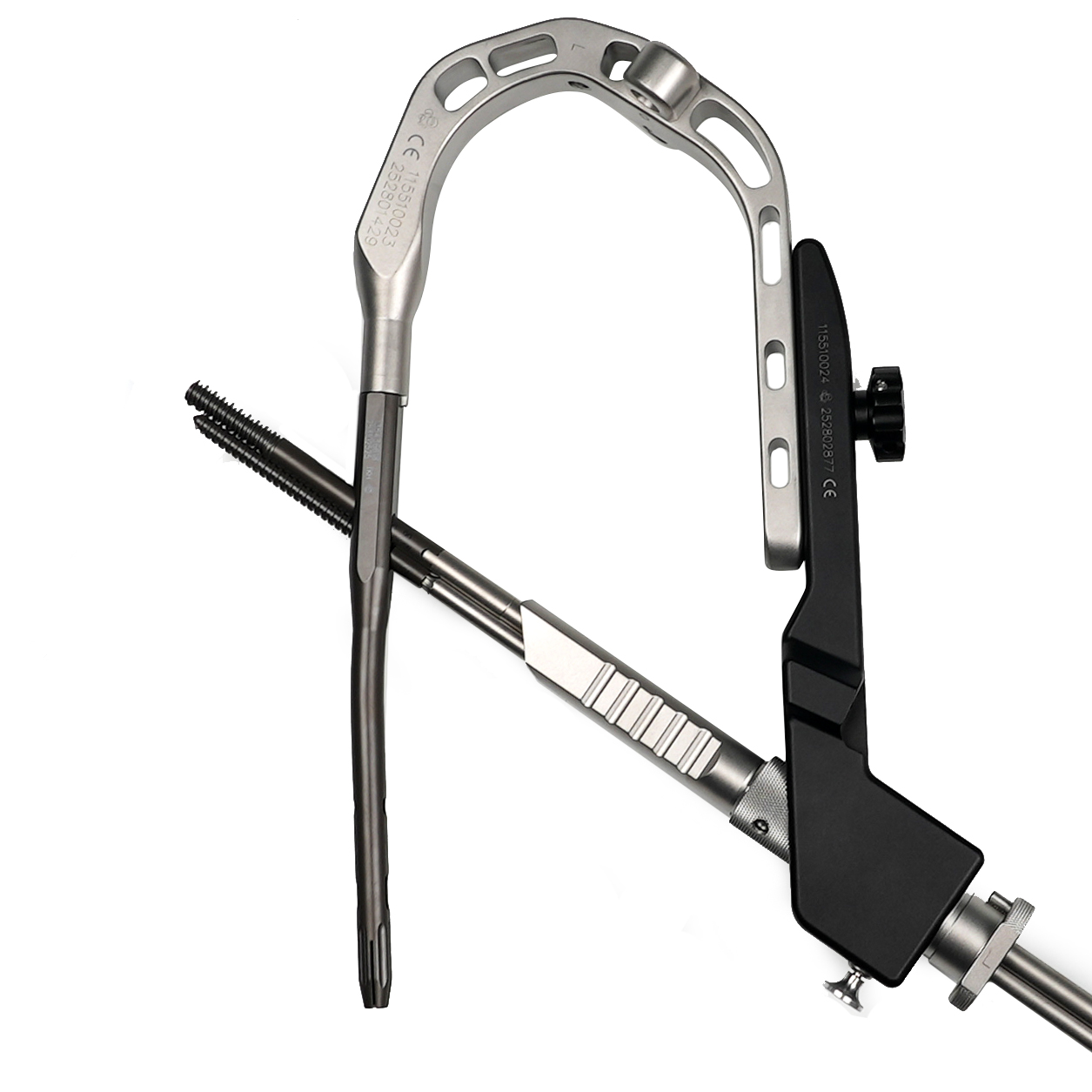
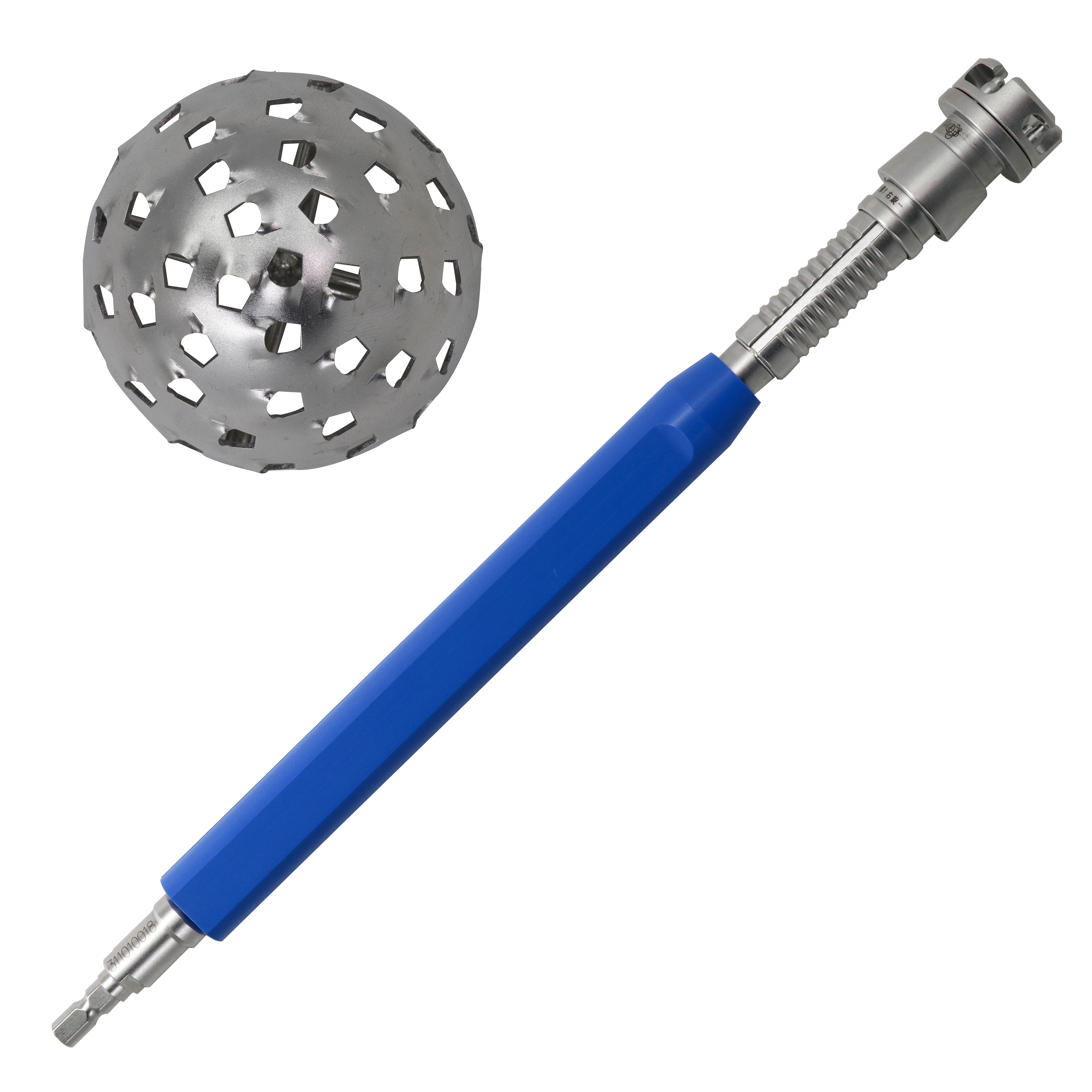
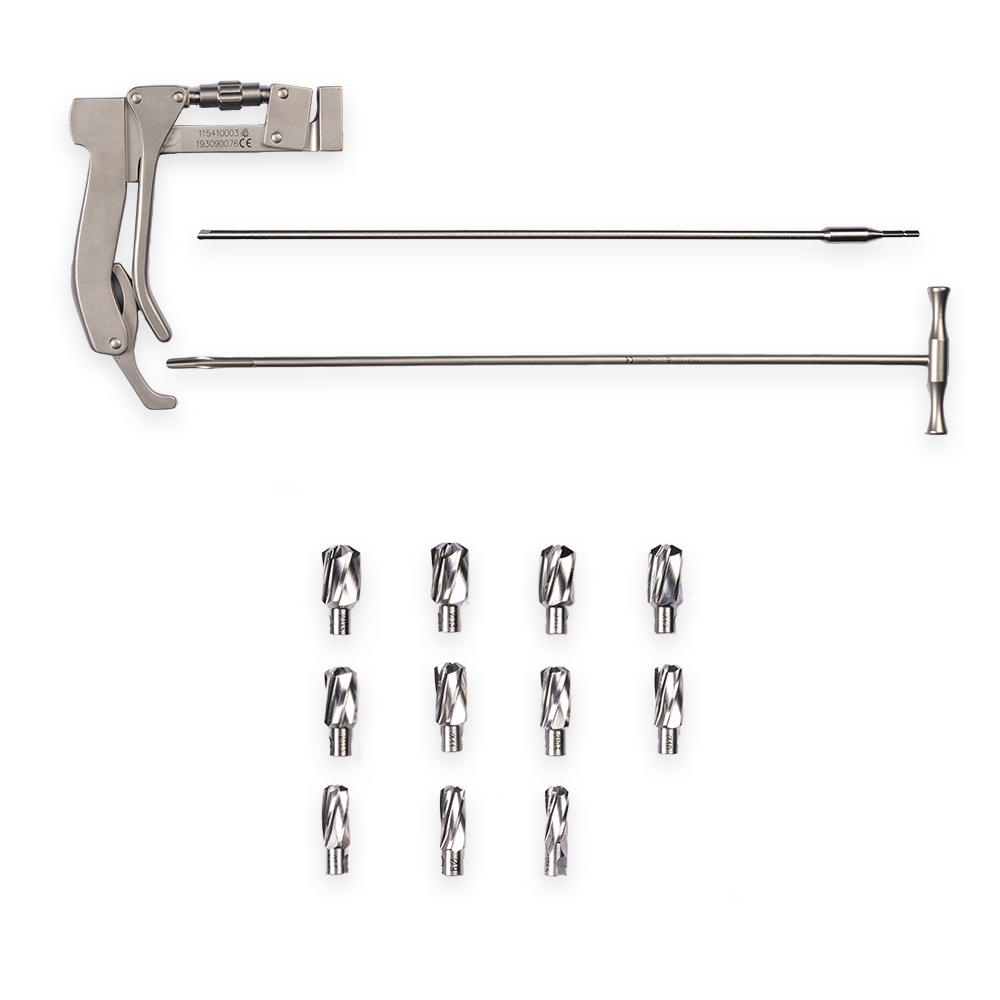
Hospitals avoid multi-vendor dependencies. Implants must be delivered with matching, standardized surgical trays, high-torque quick-coupling drill bits, and ergonomic depth gauges.
Technical Comparison: Mechanical Integrity of INAR Trauma Plating vs. Conventional Plates
Trauma fixation relies on rigorous metallurgy and mechanical stability. Below is a comparative review of Zhejiang INAR Medical trauma locking plate systems against conventional non-locking compression plates routinely benchmarked in clinical hospital procurement:
| Evaluation Parameter | INAR Titanium Locking Plate System | Standard Non-Locking Fixation Plates | Clinical Advantage in Surgery |
|---|---|---|---|
| Base Metallurgy | Ti-6Al-4V ELI (Medical Grade Titanium, ISO 5832-3) | Standard Stainless Steel (AISI 316L / ISO 5832-1) | Superior biocompatibility; reduces MRI/CT imaging artifacts. |
| Periosteal Perfusion | Limited-contact undersurface design | Full-surface direct bone compression | Preserves cortical blood flow, speeding osteogenesis and healing. |
| Fixation Mechanism | Threaded screw-to-plate locking (Internal Fixator) | Friction grip via screw head torque against bone | Prevents screw toggle in osteoporotic bone; eliminates stripping. |
| Surface Anodization | Type II Anodization + Color-Coded Sizing | Standard passivation or basic electro-polishing | Increases fatigue strength, cuts fretting wear, speeds screw selection. |
| Screw Angulation Option | Variable-Angle Locking (±15° off-axis trajectory) | Strict monoaxial angle or non-locking compression | Allows targeting of specific articular fragments without plate shifting. |
| Fatigue Resistance | Validated over 1,000,000 cyclic loads (ASTM F382) | Variable, subject to micro-crack propagation | Eliminates risk of early implant breakage during weight-bearing. |
Manufacturer Profile & Direct Export Advantages: Zhejiang INAR Medical
Zhejiang INAR Medical Co., Ltd. is a high-precision orthopedic implant and surgical instrument manufacturer with more than 22 years of production experience. Operating from an integrated 29,523 m² facility in Jinhua, Zhejiang, China, supported by 632 technical, engineering, and quality specialists, we provide direct OEM, ODM, and distributor supply services to medical device importers globally.
End-to-End In-House Machining
Multi-axis Swiss longitudinal turning lathes, CNC milling centers, and automated polishing machines ensure dimensional tolerances within ±0.005 mm without third-party outsourcing.
Rigorous 13-Stage Quality Control
From raw material ultrasonic spectrometry to penetrant crack testing, coordinate measuring machines (CMM), dynamic fatigue verification, and cleanroom packaging.
Complete Regulatory Dossiers
We provide full technical documentation—including material mill test certificates, biocompatibility studies (ISO 10993), sterilization validations, and CE certificates—for ALIMS registration.
Frequently Asked Questions (Belgrade & Regional Balkan Procurement)
What certifications accompany INAR fracture plates for registration with ALIMS in Serbia?
Can INAR supply customized plate contours and private-label laser marking for Balkan tenders?
What titanium alloys and biomaterials are utilized in INAR trauma implants?
How does INAR guarantee batch-to-batch structural integrity and mechanical stability?
What are typical delivery schedules and logistics routes for shipments arriving in Belgrade?
Are surgical instrument sets and accessories provided alongside implant orders?
Establish a Reliable Orthopedic Supply Partnership in Belgrade
Connect directly with our export engineering department to request technical dossiers, full product catalogs, tender pricing schedules, or sample evaluation kits.