Featured Orthopedic Systems & Precision Surgical Assemblies
Precision-machined medical implants engineered under rigorous ISO 13485:2016 and EU CE frameworks, serving orthopedic centers, clinical distributors, and trauma surgical teams.
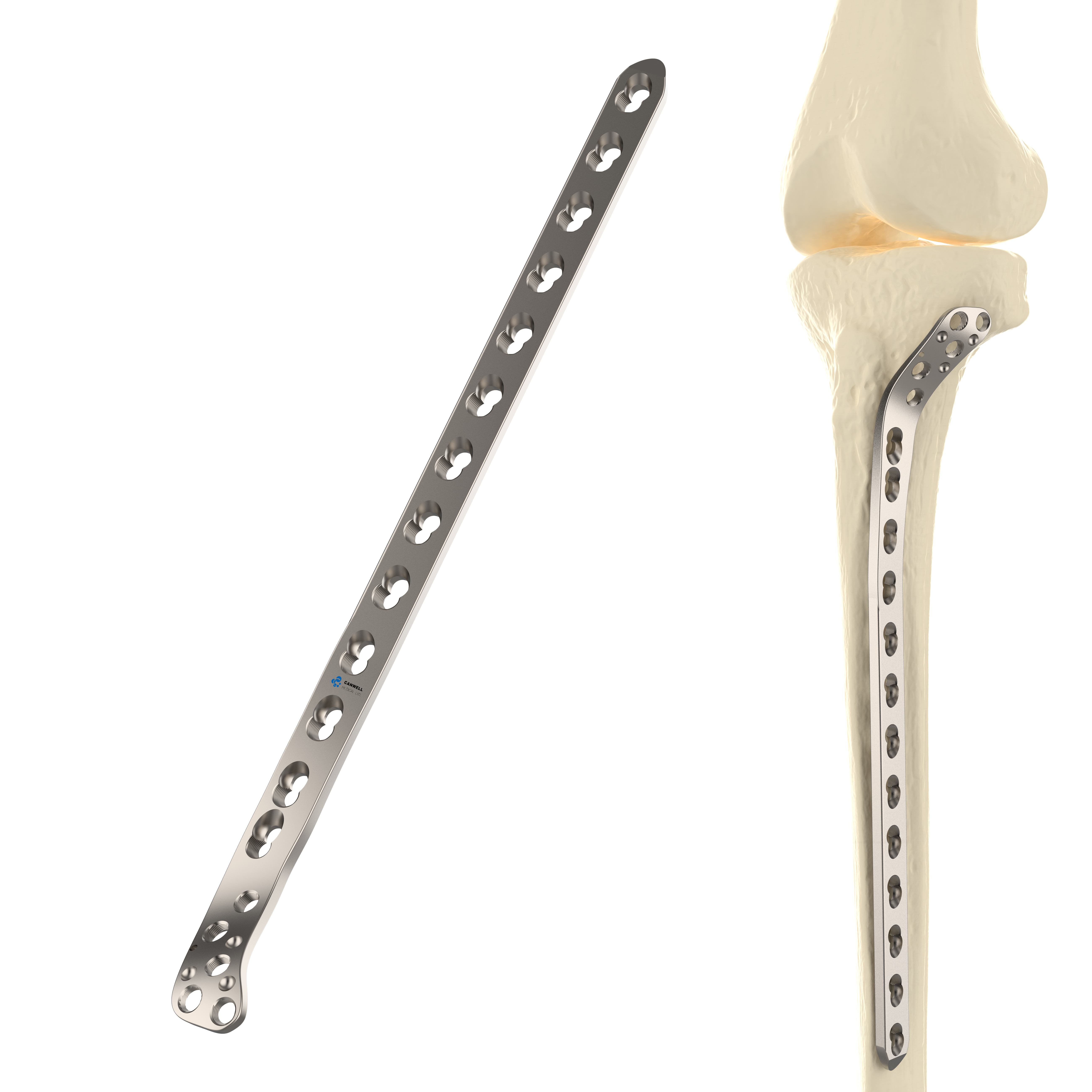
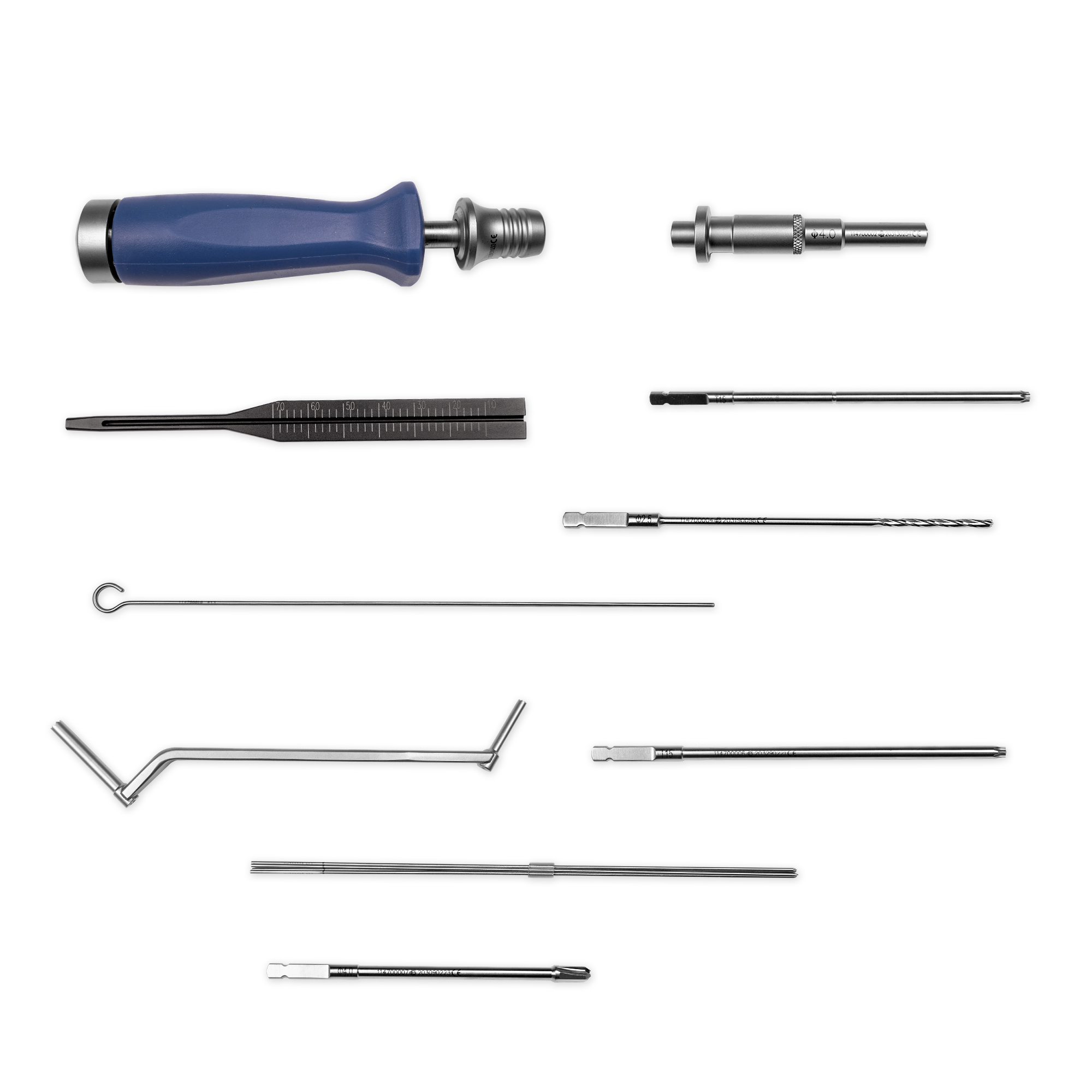
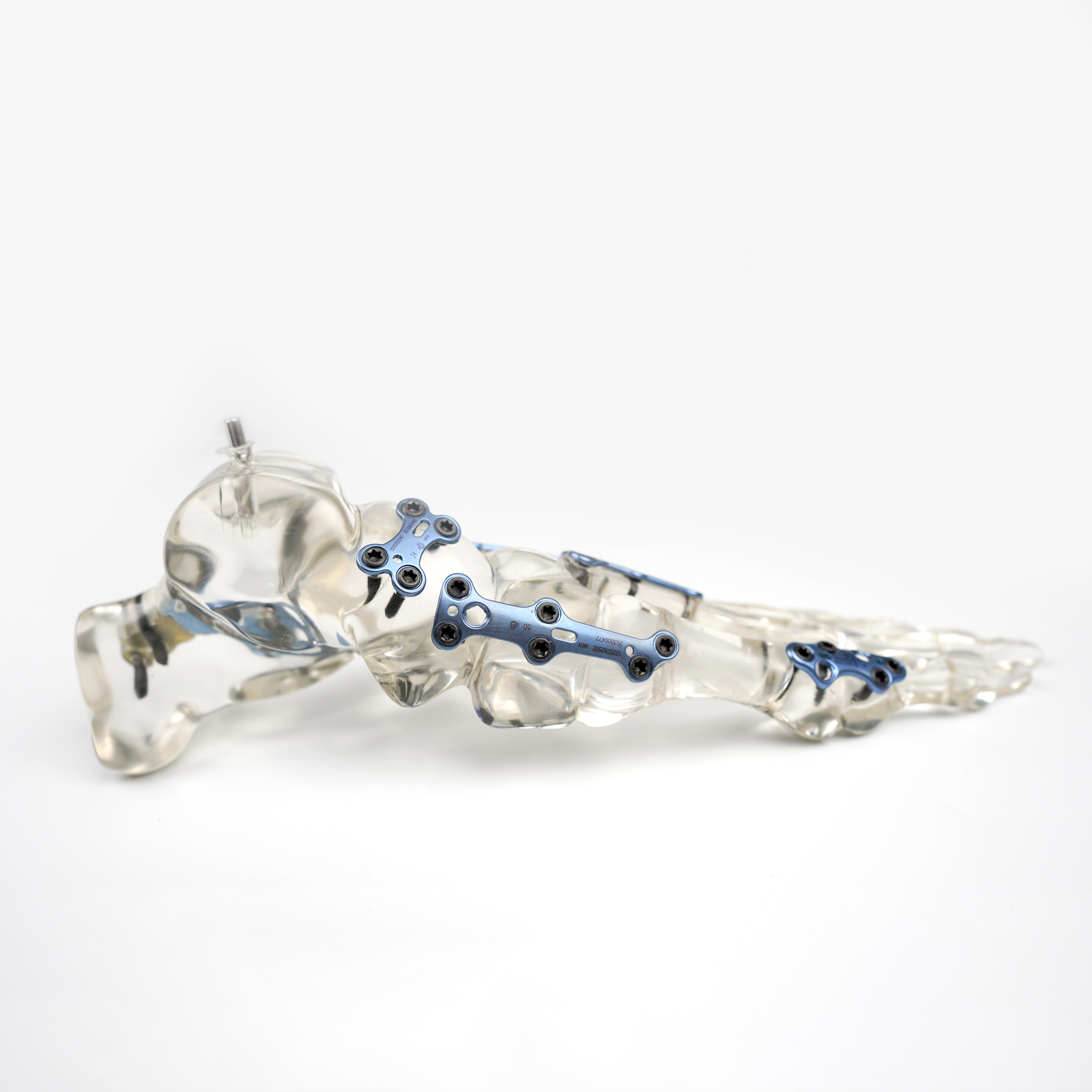
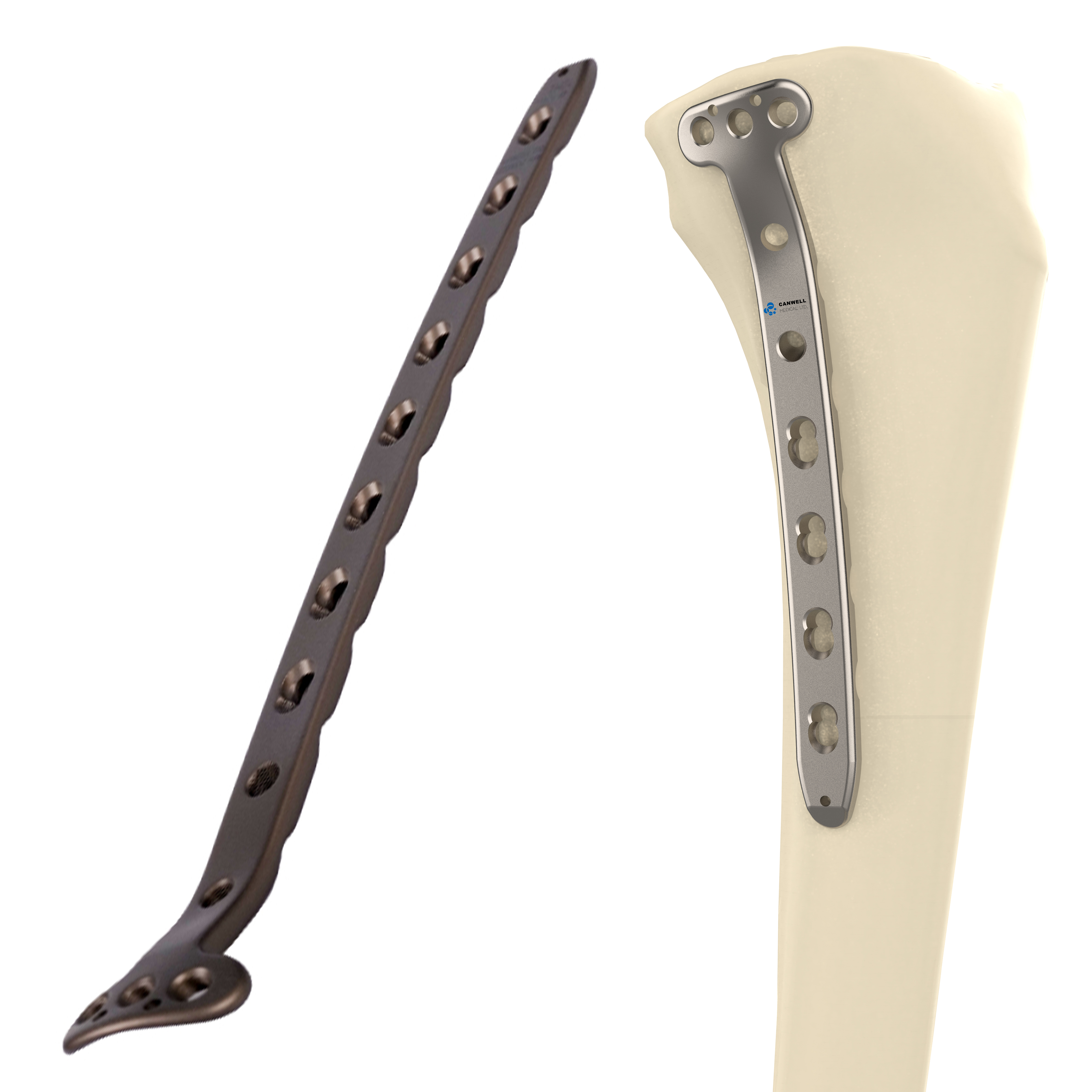
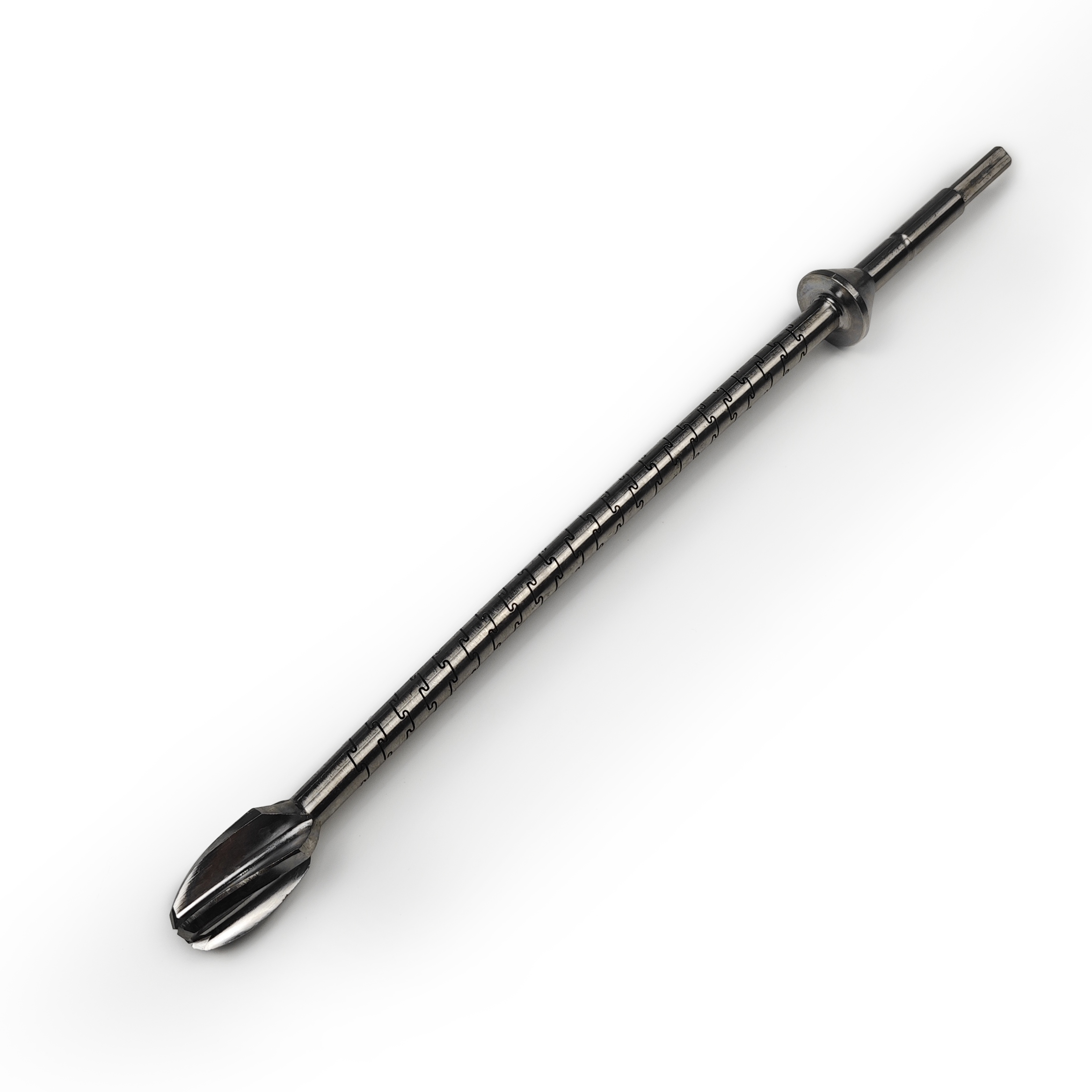
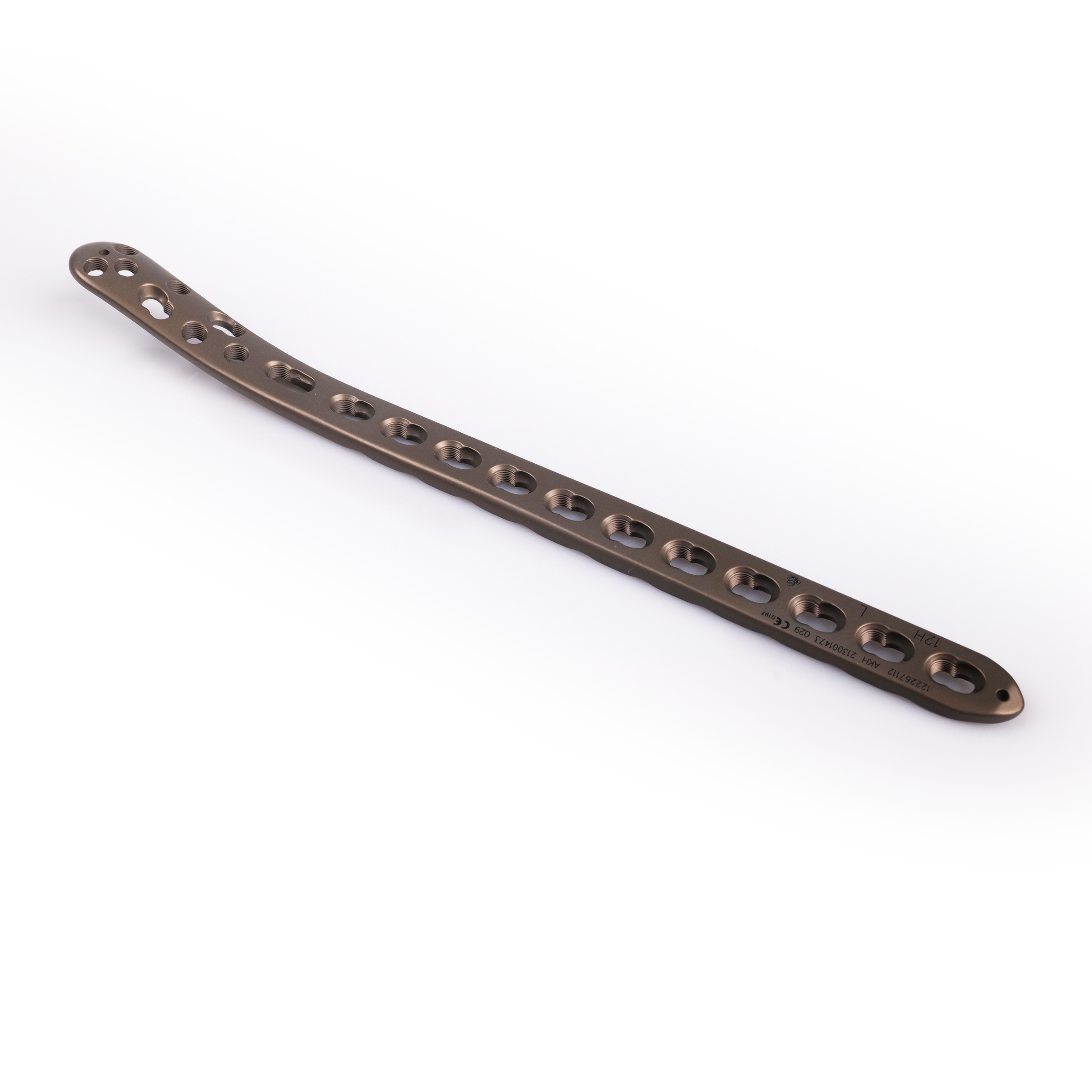
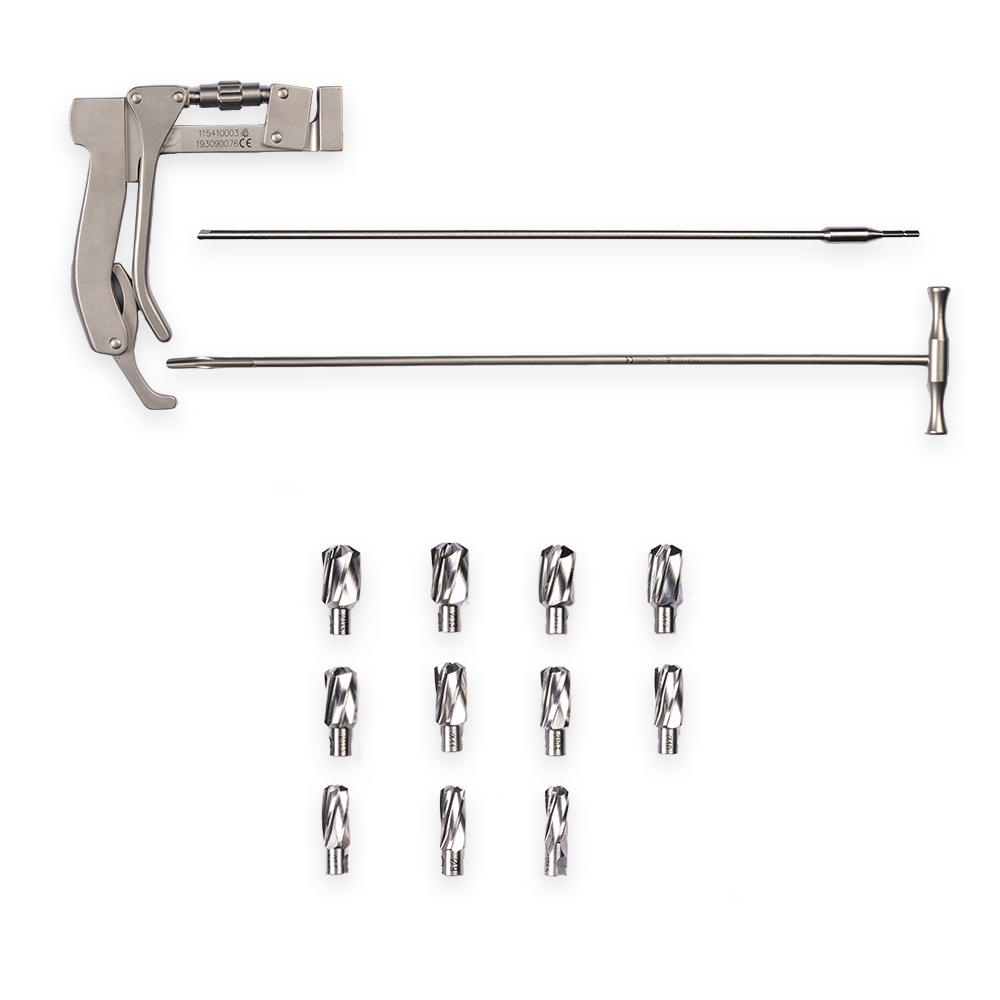
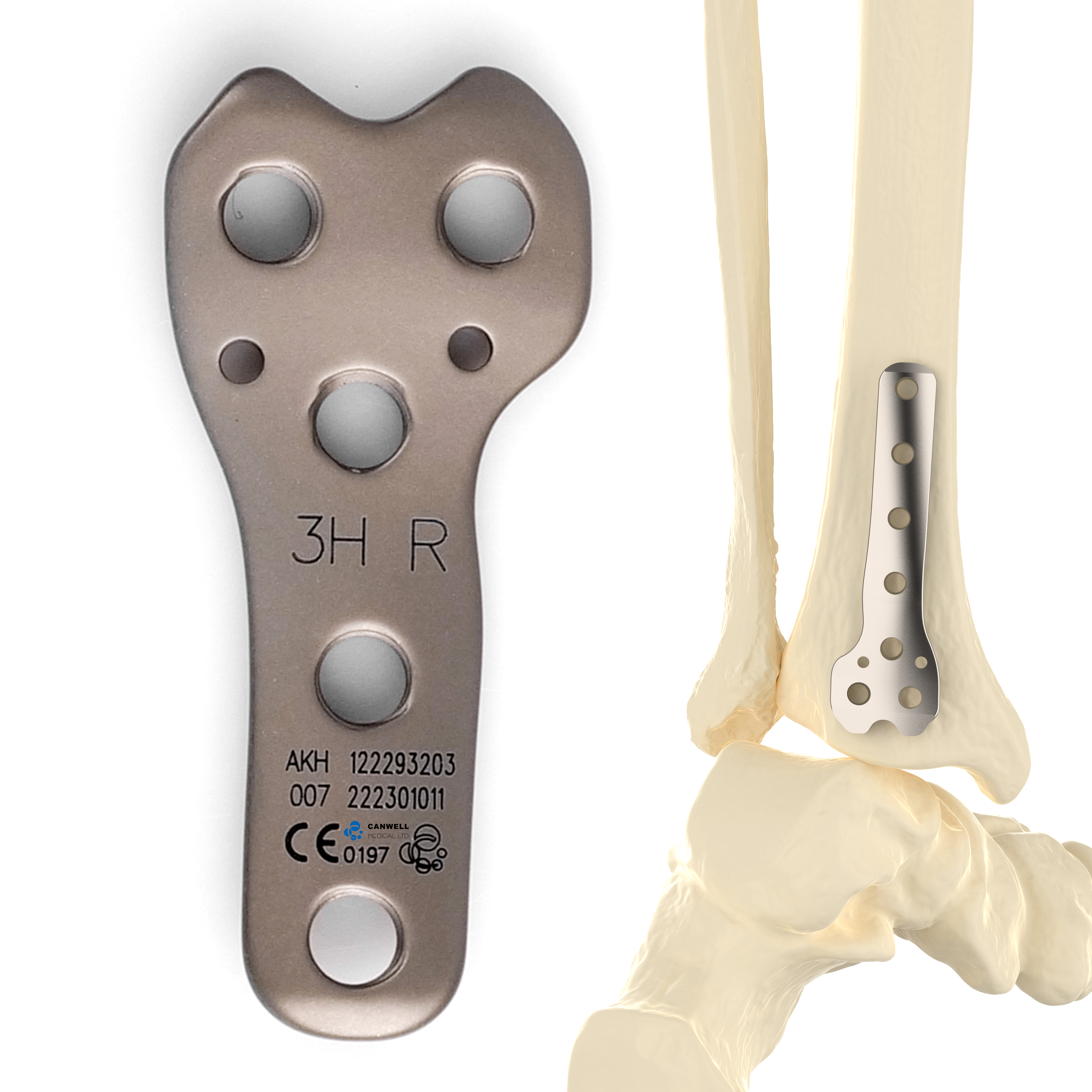
Orthopedic Implants for Foot and Ankle System Hind Foot Reconstruction Trauma Implants Locking Plate
The Larnaca & Cypriot Clinical Landscape: Lumbar Arthrodesis in Modern Practice
The healthcare architecture of the Larnaca district, anchored by the Larnaca General Hospital (under the State Health Services Organisation – OKYpY) and prominent private institutions such as the Saint Raphael Private Hospital, European Medical Network clinics, and high-specialty ambulatory surgical centers across the coastal corridor, is undergoing an evolutionary shift. As Cyprus expands its integrated General Healthcare System (GeSY / ΓεΣΥ), the demand for high-reliability, cost-controlled, and clinically verified Class IIb and Class III spinal implants has risen sharply. Lumbar interbody fusion represents one of the most resource-intensive segments of orthopedic and neurosurgical departmental budgets.
Degenerative disc disease (DDD), adult degenerative scoliosis, low-grade spondylolisthesis, and post-discectomy instability represent an increasing share of elective surgical cases in Cyprus. This trend is driven by an aging Mediterranean demographic, active coastal lifestyles, and a surging influx of European retirees establishing residency along Larnaca's perimeter. Simultaneously, Larnaca's geographical position as the international transit hub of Cyprus fosters a growing medical travel market, with overseas patients seeking minimally invasive spine surgery (MISS) protocols. For biomedical procurement managers, spine surgeons, and surgical theater directors, identifying a reliable factory partner capable of delivering ISO 13485-compliant, CE MDR-certified lumbar interbody cages is vital to meeting clinical performance benchmarks while operating within strict GeSY DRG (Diagnostic Related Group) reimbursement thresholds.
To prevent catastrophic hardware migration and endplate violation—a primary clinical risk factor when operating on osteopenic bone common in elderly patients—lumbar cages must exhibit an optimal balance between structural rigidity and elasticity. Zhejiang INAR Medical Co., Ltd. (operating the globally certified CANWELL orthopedic manufacturing lines) engineers lumbar interbody devices directly from biocompatible polyetheretherketone (Invibio® PEEK-OPTIMA®) and medical-grade titanium alloy (Ti-6Al-4V ELI conforming to ASTM F136 / ISO 5832-3). This dual-material competency ensures Cypriot spine surgeons can customize their surgical approaches depending on bone density, defect topography, and fusion velocity goals.
Comparative Biomechanical Matrix: PEEK vs. 3D Titanium in Lumbar Arthrodesis
Modern spinal biomechanics rejects a "one-size-fits-all" mentality. In the Larnaca surgical theater, neurosurgeons evaluate the trade-offs between radiolucency, stiffness, modulus of elasticity, and surface osteoinduction when selecting between pure PEEK cages and micro-textured or 3D-printed porous titanium constructs.
PEEK-OPTIMA® Interbody Matrices
Elastic modulus of 3.5–4.0 GPa closely mimics human cortical bone (10–18 GPa) and cancellous bone (1–3 GPa), drastically reducing stress-shielding and adjacent segment degeneration.
- Radiolucent profile allows unimpeded CT/X-ray fusion assessment.
- Embedded surgical-grade Tantalum radiographic markers (ASTM F560) for precise 3D spatial alignment.
- Maximized central biological graft containment aperture.
3D Porous Titanium Trabecular Cages
Manufactured via Selective Laser Melting (SLM), offering a biomimetic trabecular lattice structure with 60%–75% interconnecting open porosity (300–600 μm pore diameter).
- Direct osteoblast proliferation and micro-vascular capillary ingrowth.
- Engineered surface roughness (Ra 20–35 μm) eliminating the requirement for BMP-2 autograft enhancements.
- Immediate mechanical stability via high friction coefficient.
GeSY Tender & Economic Viability
INAR Medical provides dual-line procurement pathways, enabling hospital purchasing committees in Larnaca to source premium implants while optimizing institutional expenditure.
- Direct manufacturer pricing, bypassing European Tier-1 markups.
- Standardized instrumentation trays compatible with both PEEK and Ti systems.
- Consistent anodized color-coding matching European theater protocols.
Localized Surgical Application Scenarios in Larnaca Operating Theaters
Orthopedic procedures performed across Cyprus vary depending on institution type, patient status, and systemic medical policies. Sourcing lumbar cages and compatible spinal instrumentation requires aligning mechanical design with clinical reality.
1. Minimally Invasive Transforaminal Lumbar Interbody Fusion (MIS-TLIF) in Day-Surgery & Private Centers
In high-throughput private facilities operating along the Larnaca coastal belt, MIS-TLIF is favored to accelerate postoperative mobilization and decrease hospital stays. INAR's bullet-nosed, curved PEEK TLIF cages allow unilateral transforaminal insertion through a tubular retractor system. The self-distracting nose minimizes neural traction on exiting nerve roots while allowing guided rotation across the intervertebral space. Coupled with INAR's cannulated long-arm pedicle screws, surgical teams can achieve rigid segmental stabilization with minimal disruption of the posterior musculature.
2. Complex Degenerative Spondylolisthesis & Multi-Level Reconstructions at Larnaca General Hospital
At regional trauma and referral hospitals managing complex multi-level reconstructions under GeSY protocols, posterior lumbar interbody fusion (PLIF) or oblique lateral interbody fusion (OLIF/LLIF) devices are essential. INAR's bi-convex lordotic profiles (4°, 8°, and 12° options) restore segmental sagitta-balance in patients exhibiting degenerative disc collapse at L4-S1. High-friction directional teeth along superior and inferior footprints resist posterior retropulsion into the spinal canal during repetitive flexion-extension cycles.
3. Osteoporotic Endplate Augmentation in Geriatric Reconstructive Cases
Given the elevated prevalence of osteoporosis in southern European senior populations, cage footprint geometry is paramount. INAR designs wide-aperture, broad-rimmed lumbar cages that rest securely on the peripheral cortical ring (apophyseal ring)—the densest, most resilient structural region of the vertebral endplate. By maximizing the contact surface area and incorporating radiopaque tantalum pins, INAR implants reduce localized contact stress (MPa) below critical threshold limits, minimizing post-operative subsidence even in compromised bone stock.
Industrial Manufacturing Infrastructure: The 13-Stage Orthopedic Verification Route
Spinal implants require absolute structural integrity. Operating from an SGS-audited 29,523 m² facility, Zhejiang INAR Medical employs 632 technical specialists and CNC operators. Every lumbar cage and trauma plate follows an unbroken 13-stage manufacturing and inspection protocol that ensures defect-free output for hospital supply chains.
Raw Material Ingot Sourcing
Spectroscopic chemical assay and grain-boundary testing of certified medical PEEK and Ti-6Al-4V ELI bars.
Longitudinal Precision Cutting
Automated precision sawing of billet stock with zero thermal distortion to protect polymer molecular weight.
Multi-Axis CNC Machining
High-speed 5-axis DMG MORI & Citizen CNC milling achieving dimensional tolerances within ±5 μm.
Micropolishing & Deburring
Robotic and artisanal microscopic surface deburring to eliminate micro-fracture trigger points.
Ultrasonic Washing Cycle I
Multi-tank degreasing and particulate extraction via high-frequency multi-frequency ultrasonic bath cascades.
High-Precision Grinding
Endplate tooth profile sharpening and bullet-nose radius calibration for effortless insertion tactile feedback.
Controlled Sand-Blasting
Biocompatible media micro-texturing to establish uniform micro-roughness for enhanced osteoblast adhesion.
Penetrant Flaw Testing
Fluorescent penetrant inspection under ultraviolet illumination to detect any surface fissures or stress cracks.
Type II Titanium Anodizing
Electrochemical surface passivation and aesthetic color-coding for size and angulation identification.
Ultrasonic Washing Cycle II
Pyrogen-free water rinsing and terminal deionized cleaning ready for medical packaging cleanroom intake.
100% Optical OQC
Coordinate measuring machines (CMM) and laser profile projection verifying every critical specification.
ISO Class 7 Cleanroom Packing
Double-sterile Tyvek® blister barrier packaging or non-sterile batch packaging in Class 10,000 clean air.
Regulatory Pathways & Direct Logistics to Larnaca International Airport (LCA)
Securing implant registration and hospital acceptance in the European Union demands exhaustive regulatory evidence. Under the European Medical Device Regulation (EU MDR 2017/745), Class IIb and Class III orthopedic devices must meet rigorous traceability and safety guidelines:
- Full Technical Documentation (MDR Annex II & III): Comprehensive design history files, biocompatibility dossiers conforming to ISO 10993-1, and risk management assessments compliant with ISO 14971:2019.
- Clinical Evaluation Reports (CER): Up-to-date longitudinal clinical evaluations demonstrating equivalence, predictable fusion rates, and negligible revision occurrences across diverse patient cohorts.
- Traceable UDI System: GS1-compliant Unique Device Identification (UDI) barcoding laser-etched onto every implant and mirrored on primary, secondary, and tertiary packaging for instantaneous scanning into hospital surgical theater records.
- Third-Party Verification: Onsite supplier facility audits conducted by SGS Group, with valid CE certificates (Directive 93/42/EEC and transitionary MDR frameworks).
From a logistics perspective, INAR Medical's international trade department coordinates air shipments directly through Larnaca International Airport (LCA) and ocean container freight via the Port of Limassol. Standardized consignment shipments are dispatched in shock-resistant, export-grade cartons with temperature and humidity monitors. Custom-molded instrument cases and sterilization trays (PPSU and anodized aluminum) are designed to withstand 2,000+ autoclave steam cycles at 134°C, offering complete turnkey reliability for regional central sterile services departments (CSSD).