Precision Implant & Resection Systems
Featured Surgical Implants & Power Tool Complementary Kits
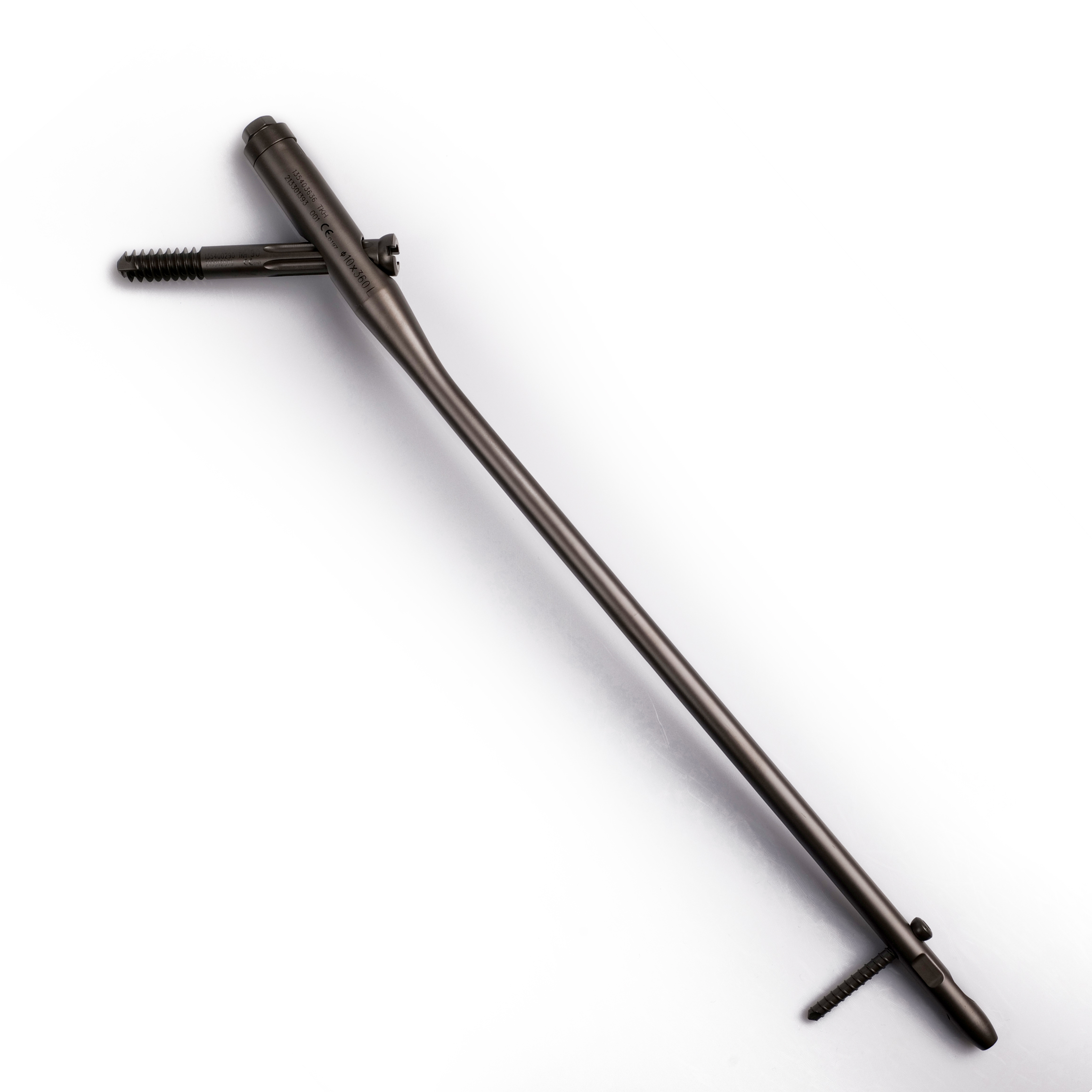
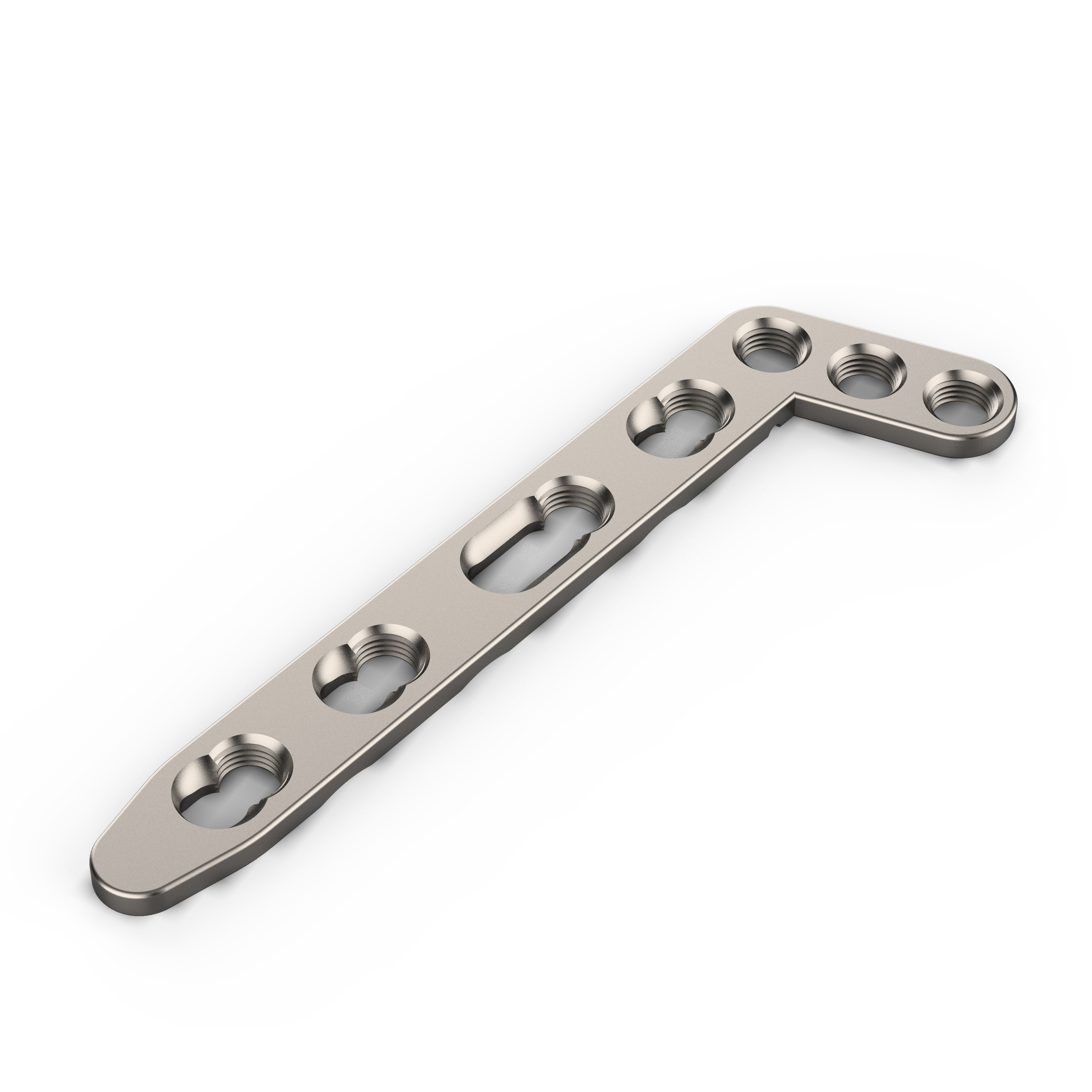
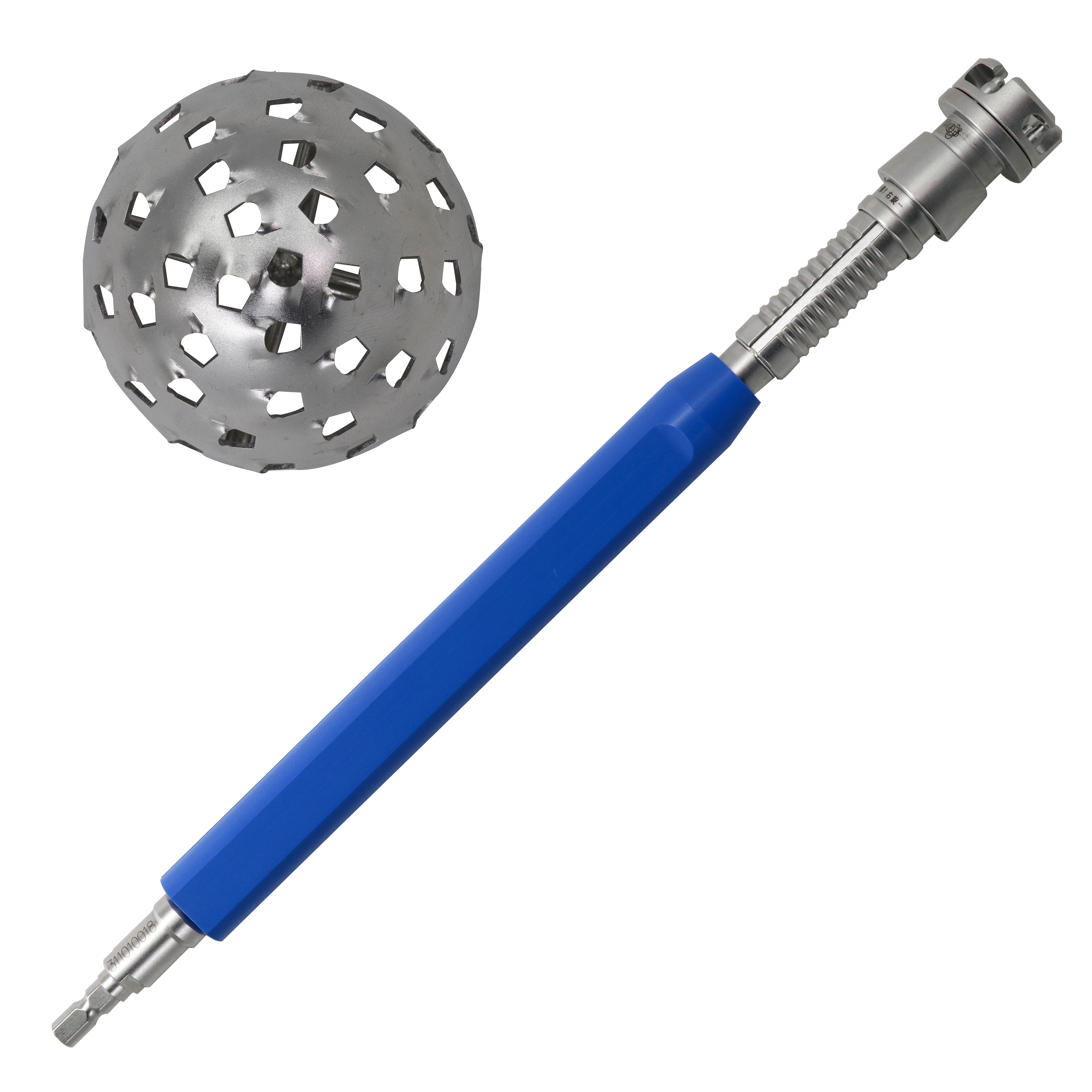
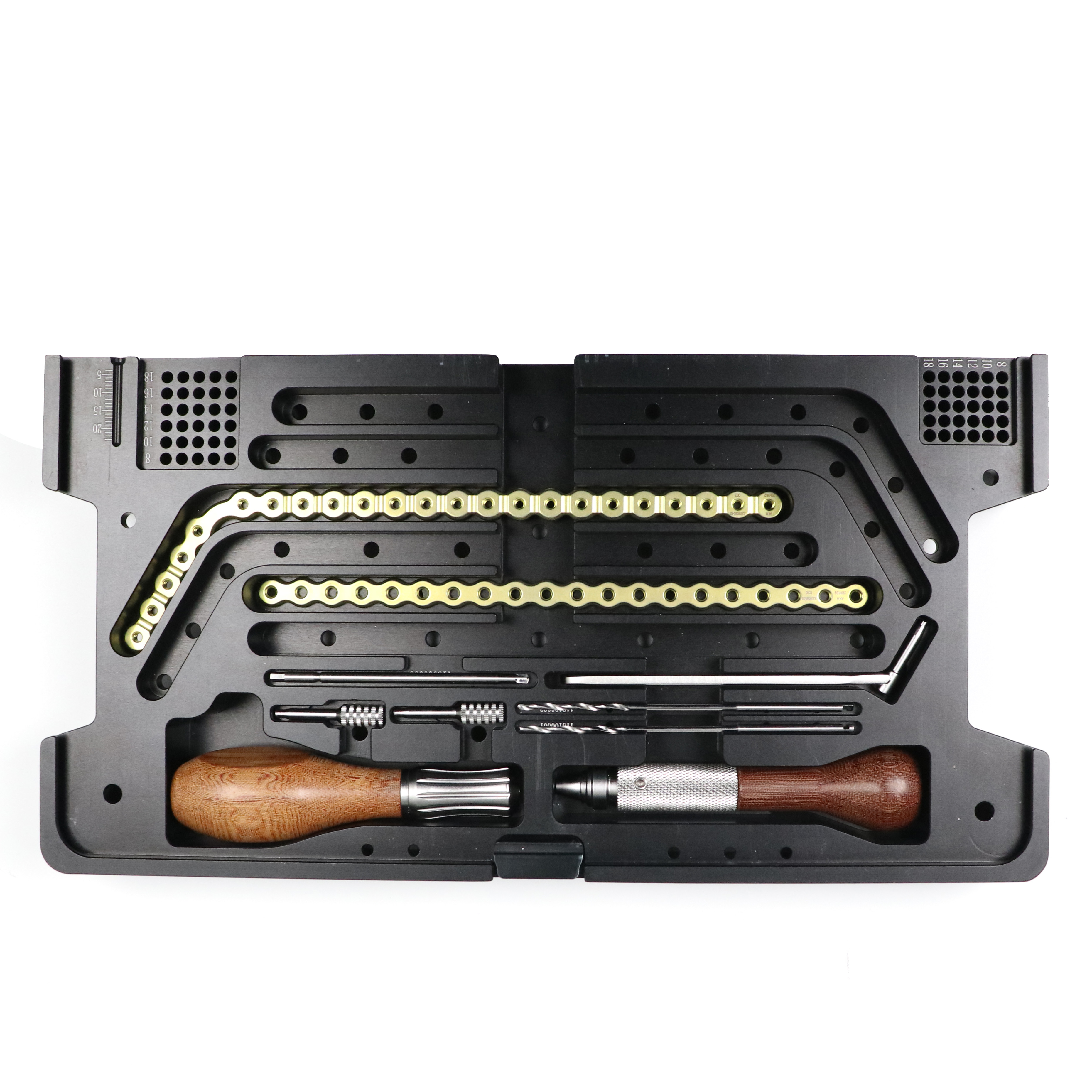
High-precision orthopedic trauma solutions, reconstructive implants, and precision hip acetabular instruments manufactured under ISO 13485 and audited for European clinical procurement.
22+
Years Manufacturing Experience
632
Specialized Machinists & Engineers
29,523m²
Modern Production & QC Facilities
100%
MDR & ISO Traceable Batches

EU MDR 2017/745
Certified Medical Device
Certified Medical Device

93/42/EEC
Directive Certified
Directive Certified

SGS Audited & Verified
Original Manufacturer
Original Manufacturer
Strategic Orthopedic Saws & Surgical Power Tool Sourcing for Coimbra
Analyzing the central Portuguese medical biomechanics landscape, hospital procurement frameworks, and high-frequency surgical requirements.
The municipality of Coimbra stands as Portugal's premier academic and clinical healthcare capital. Anchored by the renowned Centro Hospitalar e Universitário de Coimbra (CHUC) — one of the largest quaternary hospital centers in the Iberian Peninsula — alongside specialized institutions such as the Hospital da Luz Coimbra and clinical faculties at the Universidade de Coimbra, the demand for precision orthopedic cutting instrumentation is subject to exceptional scrutiny. Operating rooms throughout Coimbra require cutting-edge sagittal saws, reciprocating saws, oscillating saws, and high-speed sternum saws that satisfy both stringent clinical efficacy and the European Union's evolving regulatory framework under EU MDR 2017/745.
For orthopedic surgical directors, clinical engineers, and tender committees across the Região Centro, selecting trusted orthopedic saw factories goes beyond surface-level ergonomics. Bone resection in complex primary and revision arthroplasty, periacetabular osteotomies, corrective high tibial osteotomies (HTO), and rapid polytrauma stabilization demands power systems with calibrated oscillation frequencies, low thermal dissipation to avert thermal osteonecrosis, and absolute sealed resistance to repeated moist-heat steam sterilization cycles (134°C autoclaving at 2.2 bar pressure).
Thermal Osteonecrosis Mitigation
Bone cells experience irreversible necrosis when exposed to cutting friction exceeding 47°C for more than one minute. High-precision saw factories utilize micro-balanced brushless DC (BLDC) motors paired with ultra-thin kerf blade geometry, dissipating frictional kinetic energy through optimized tooth offset angles.
134°C Autoclave Seal Integrity
Coimbra central sterilization units (CME) demand rapid turnaround for high-volume surgical schedules. Motors, trigger micro-switches, and internal drive-shaft planetary gears are encapsulated with fluorosilicone O-rings to survive over 800 vacuum autoclave cycles without torque decay.
Seamless Implant Integration
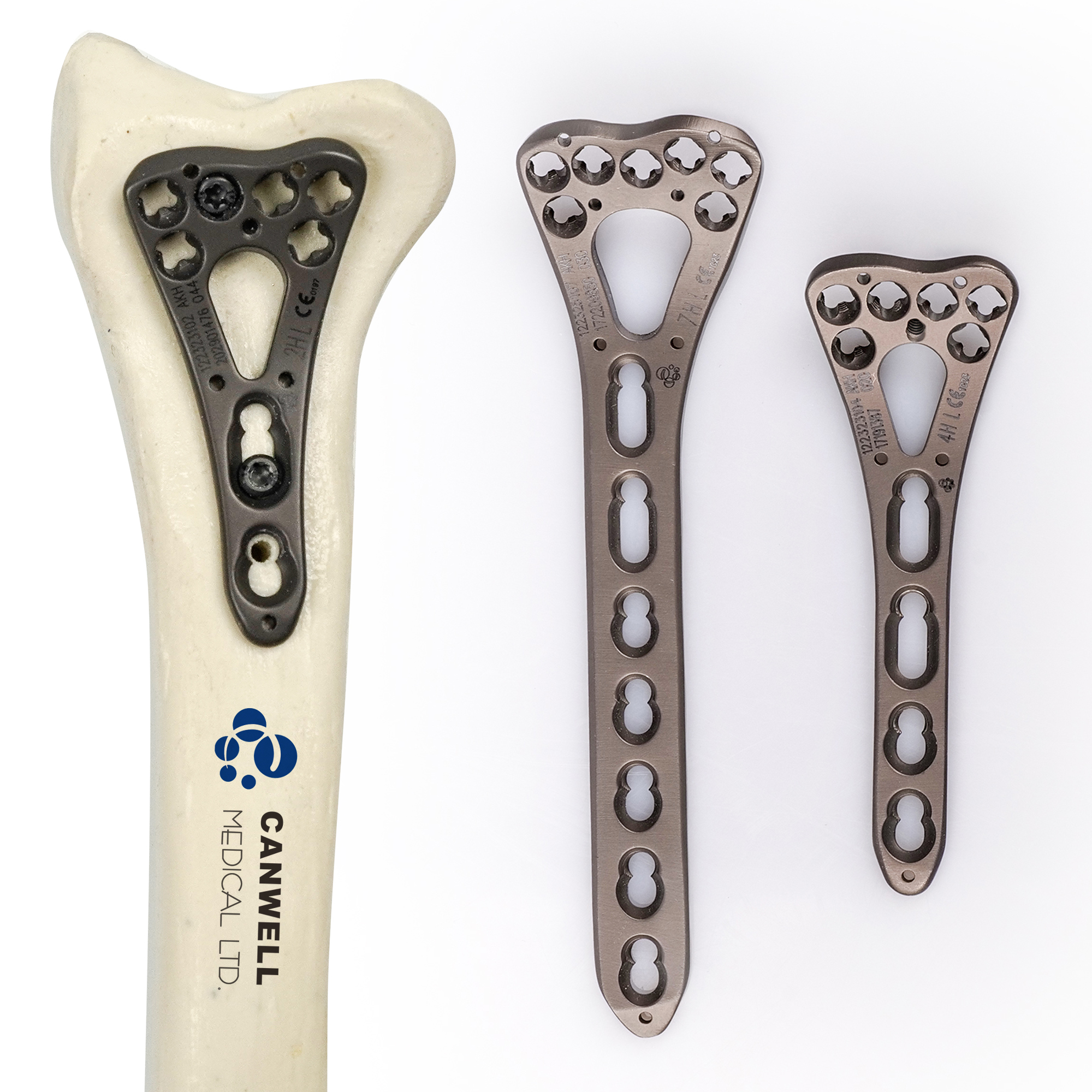
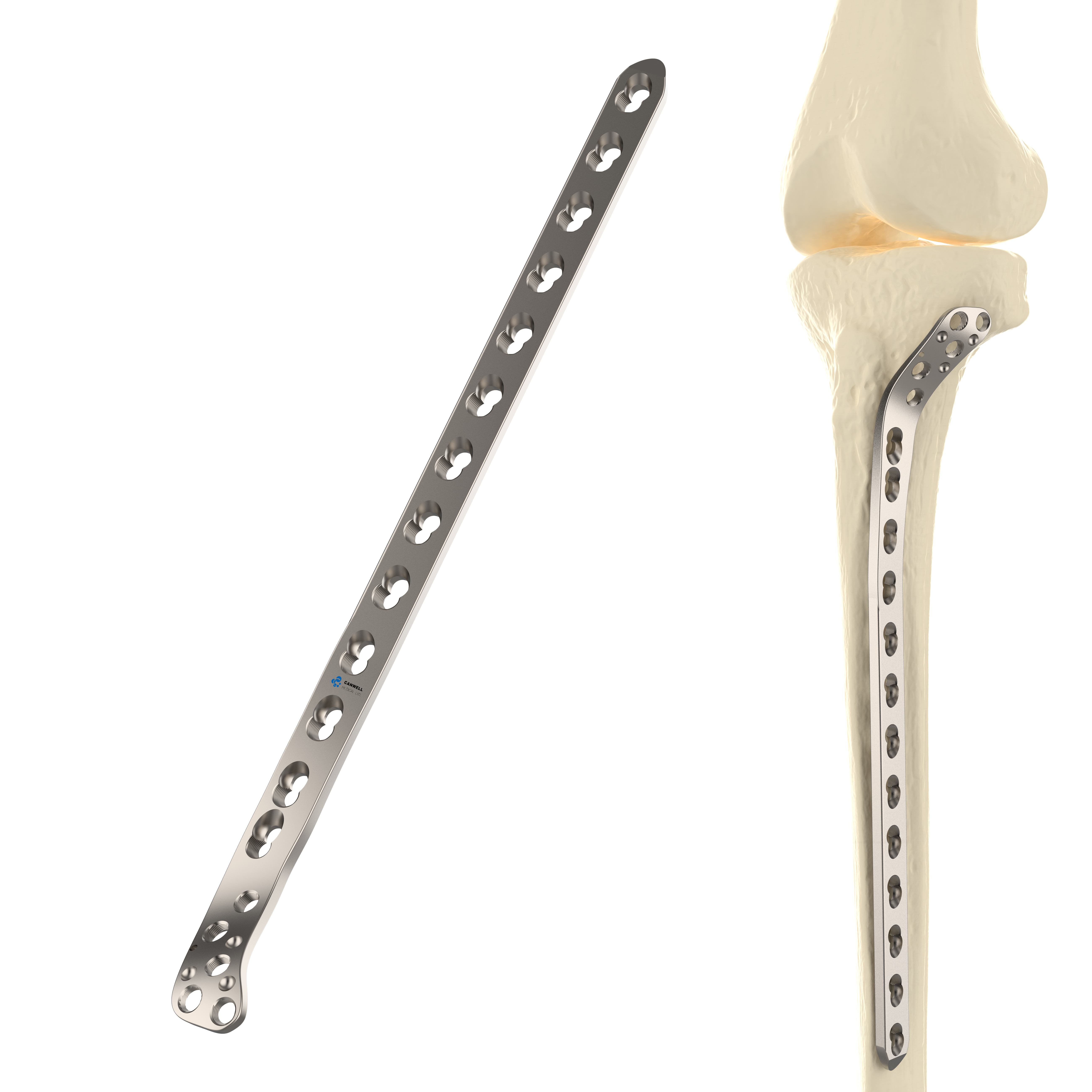
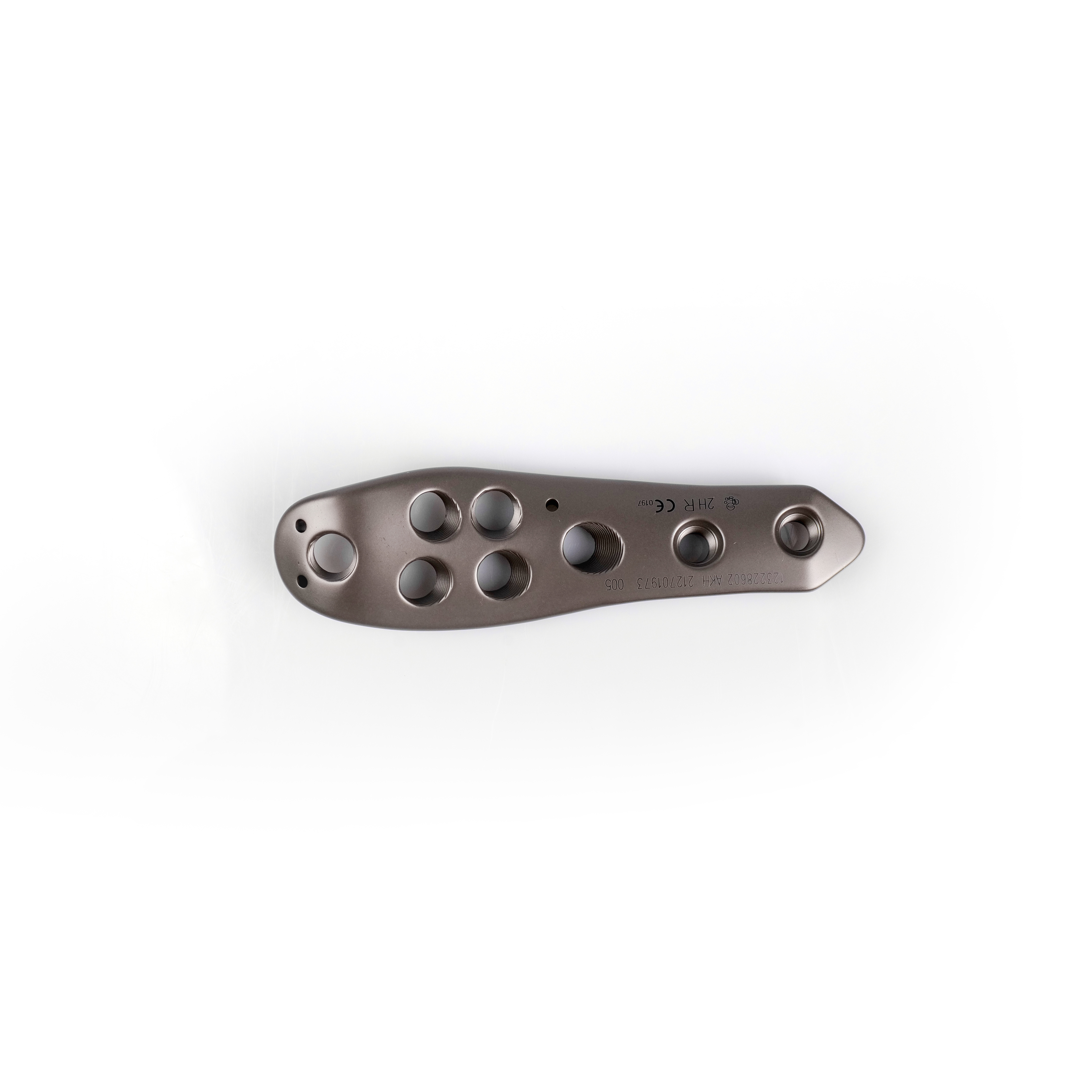
A surgical saw cannot perform in isolation. Osteotomy cuts must interface smoothly with corresponding fixation hardware, such as our distal palmar radius plates, proximal tibial locking plates, and acetabular reamers during complete joint reconstruction.
Localized Application Scenarios in Coimbra Operating Theatres
Direct translation from factory motor bench-testing to clinical reality in Central Portugal's trauma networks and academic surgical centers.
Total Knee & Hip Arthroplasty
Primary & Complex Revision Arthroplasty
Within CHUC’s orthopedic wards, joint arthroplasty volume is driven by an aging demographic across the Beira Litoral. Large-bore sagittal saws deliver 0–14,000 oscillations per minute (OPM) with variable trigger modulation. When performing distal femoral resection or proximal tibial cuts, surgeons achieve planar stability without blade deflection, ensuring precise fitment for long-term prosthetic fixation and biological osseointegration.
Emergency Polytrauma
Level 1 Emergency & Fracture Reconstruction
Servicing highway corridors across the A1 and IP3 routes, Coimbra trauma surgeons manage complex distal radius comminutions, open tibial shaft fractures, and pertrochanteric injuries. Oscillating and reciprocating power tools assist in precise debridement, sequestrectomy, and bone leveling prior to the stabilization of CANWELL titanium locking plates or intramedullary interlocking nails.
Micro-Surgical & CMF
Craniomaxillofacial & Extremity Surgery
Micro-saws equipped with pencil-grip handpieces and featherlight titanium motor housings cater to hand surgery, foot & ankle osteotomies (Chevron/Scarf procedures for hallux valgus), and pediatric facial reconstructive procedures performed at pediatric units in Coimbra. Precision cutting guides prevent vascular bundle laceration and preserve soft tissue envelope viability.
Technical Benchmark: Surgical Power Saw Specifications for Hospital Tenders
Comparing engineering parameters required for Portuguese public healthcare tenders (SPMS) versus standard industrial factory manufacturing.
| Performance Feature | Public Hospital Standard (SPMS Benchmark) | INAR / CANWELL Certified Factory Standard | Clinical Benefit to Coimbra Surgeons |
|---|---|---|---|
| Motor Architecture | Brushed Carbon / Early BLDC Motors | Next-Gen Sensorless Coreless Brushless DC | Eliminates carbon dust particulate, yields 35% higher torque under heavy cortical bone load. |
| Oscillation Rate (OPM) | 10,000 – 12,000 OPM | 14,000+ OPM Continuous Stepless Speed | Faster cut velocity minimizes heat accumulation and cuts procedural operative duration. |
| Thermal Rise Limit | < 50°C after 3 minutes continuous cut | ≤ 42°C with internal titanium heat sink | Eliminates risk of bone necrosis at the critical osteotomy junction; accelerates bony union. |
| Sterilization Survivability | 250 Steam Autoclave Cycles | 800+ Cycles (134°C, 2.2 bar) Hermetic Seal | Drastically lowers hospital total cost of ownership (TCO) across 5-year tender contracts. |
| Battery Chemistry | NiMH / 1st Gen Lithium-Ion | High-Drain Medical Grade Li-Ion (2000 mAh) | Consistent power delivery across entire joint replacement surgeries without mid-procedure swap. |
| Noise Emission Profile | ≤ 75 dBA at operator ear distance | ≤ 62 dBA with helical planetary gearing | Reduces acoustic fatigue for surgical theater personnel during multi-hour surgical lists. |
Localized Healthcare Trends Shaping Orthopedic Procurement in Portugal
Understanding how EU MDR regulatory changes, national centralized tenders, and sustainability initiatives influence hospital purchasing decisions.
EU Regulation
Rigorous EU MDR 2017/745 Audits
The phase-out of the old MDD 93/42/EEC framework has caused global supply chain crunches. Portuguese hospitals now demand unequivocal MDR Notified Body certification, comprehensive Clinical Evaluation Reports (CER), and Post-Market Clinical Follow-up (PMCF) documentation from overseas factory partners.
Hospital Logistics
SPMS Centralized Tender Rules
Procurement through the Serviços Partilhados do Ministério da Saúde (SPMS) prioritizes verified direct factory partnerships capable of offering bonded warehouse consignment, guaranteed spare parts supply for 10 years, and rapid instrument repair turnaround.
Green Surgery
Decarbonization & Circular Lifecycles
In step with Universidade de Coimbra sustainability pledges, regional surgical units are migrating away from single-use pneumatic motors toward rechargeable, eco-efficient lithium-ion multi-tool consoles that utilize remanufacturable saw blades and recyclable anodized trays.
Digital Orthopedics
Robotic & Navigated Saw Interfaces
The growth of computer-assisted orthopedic surgery (CAS) and personalized surgical cutting blocks (PSI) in Coimbra demands saw blades with laser-etched depth markers, low-vibration shafts, and standardized hub attachments for navigational tracker arrays.
Our Verified Factory Infrastructure & Production Capability
From raw medical-grade titanium and cobalt alloys to high-precision Swiss CNC machining, multi-stage ultrasonic washing, and cleanroom packaging.
Operating a dedicated 29,523 m² manufacturing campus staffed by 632 specialized personnel, Zhejiang INAR Medical Co., Ltd. (alongside CANWELL orthopedic instrument lines) represents more than 22 years of dedicated surgical device engineering. Audited onsite by the SGS Group, our facilities integrate every phase of the manufacturing workflow under one roof to ensure unbroken chain-of-custody and metallurgical perfection.
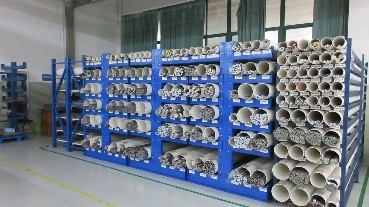
Phase 1: Certified Raw Bar Stock Inspection

Phase 3: Multi-Axis CNC Precision Machining
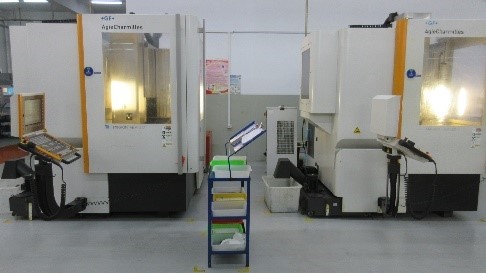
Phase 6: Micro-Tolerance Gear & Shaft Grinding
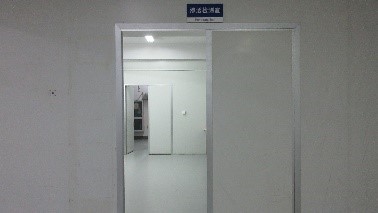
Phase 8: Liquid Penetrant Non-Destructive Testing
Sub-Micron CNC Tolerances
Surgical saw hubs, oscillating eccentric cams, and drive gears are machined on Japanese and Swiss sliding-head CNC centers to within ±3 μm tolerances, eradicating mechanical play and blade wobble during high-speed bone contact.
Two-Stage Ultrasonic Cleaning
Every mechanical component undergoes dual-stage ultrasonic washing in deionized water baths to remove all micro-debris, cutting fluids, and microscopic particulates prior to cleanroom assembly.
Fatigue & Packaging Aging Validation
Our internal testing laboratory houses dedicated dynamometers, mechanical endurance fatigue rigs running continuous 100-hour load protocols, and accelerated packaging aging chambers validating a 5-year sterile shelf life.
Frequently Asked Questions (FAQ) for Coimbra Healthcare Procurement
Practical answers to operational, regulatory, and logistics queries raised by hospital engineering boards and private distributors.
How do your surgical saw systems and implants comply with Portuguese INFARMED regulations? +
All medical devices shipped to Portugal comply with European Regulation (EU) 2017/745 (MDR) and maintain active CE mark certificates through European Notified Bodies. Before importation into Coimbra, all products are registered on the Portuguese National Authority of Medicines and Health Products (INFARMED) database, supported by Declarations of Conformity (DoC), ISO 13485:2016 quality management records, and complete technical documentation dossiers.
Can hospital central sterilization units (CME) in Coimbra process these tools using standard cycles? +
Yes. Handpieces and power tool attachments are engineered with high-grade anodized aluminum alloy and 316L medical stainless steel. They are fully validated for standard pre-vacuum steam sterilization cycles (134°C for 3 to 18 minutes holding time) in accordance with EN ISO 17665-1. The lithium-ion battery packs are supplied with specialized aseptic transfer funnels or low-temperature hydrogen peroxide plasma sterilization compatibility.
Are CANWELL saw blades compatible with multi-brand surgical handpieces? +
Yes. We manufacture sagittal and oscillating saw blades with universal hub geometries (Stryker-style, ConMed-style, AO-synthes type, and 3M-style connections). Whether your surgical department operates dedicated CANWELL power tools or existing fleet consoles, our blades lock with micrometer precision to minimize runout and frictional heating.
What is the typical delivery schedule from factory dispatch to Coimbra? +
For standard catalogue trauma plates, screws, reamers, and saw systems, factory stock orders are dispatched within 72 hours via international air express (DHL/FedEx/air freight to Lisbon Humberto Delgado or Francisco Sá Carneiro Porto Airports), arriving in Coimbra within 5 to 8 business days following customs clearance. OEM custom orders and private-label contour production runs follow a structured 25 to 35-day production cycle.
Do you provide evaluation sample units for clinical trials at CHUC or regional clinics? +
Yes. Qualified hospital procurement committees, orthopedic department heads, and licensed medical distributors can request clinical evaluation units. Sample sets include dynamic handpieces, battery accessories, sterilized test blade kits, and matching fixation mockups for biomechanical saw-bone bench testing.