Featured Orthopedic Systems for Bavarian Hospital Networks
Directly integrated with high-load arthroscopic suture repair and fracture reconstruction protocols. Standardized by trauma surgeons across Munich, Augsburg, and Rosenheim.
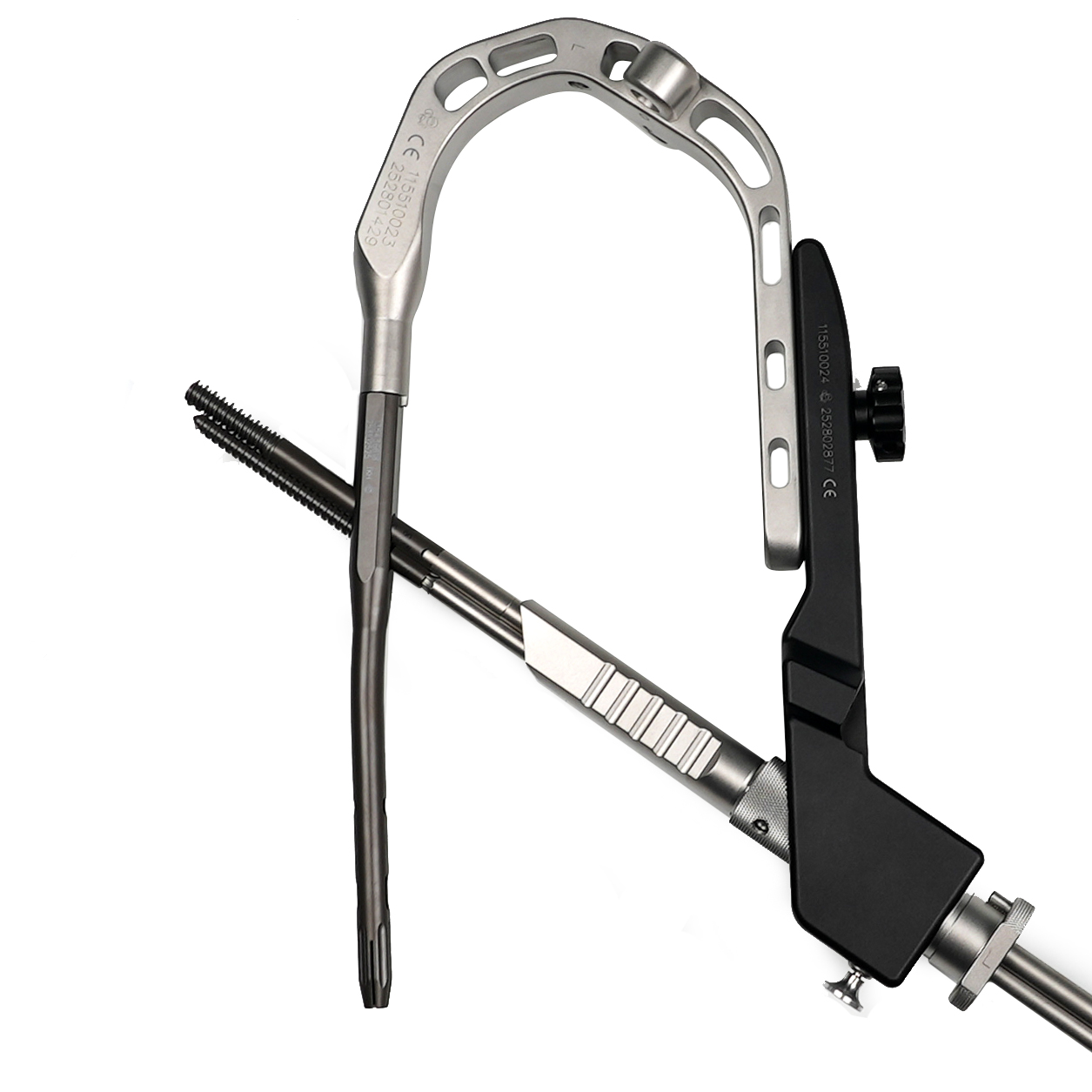
Titanium Femoral Interlocking Nails System
High-fatigue resistant titanium alloy with multi-planar distal locking options for subtrochanteric and diaphyseal fractures.
Technical Data Sheet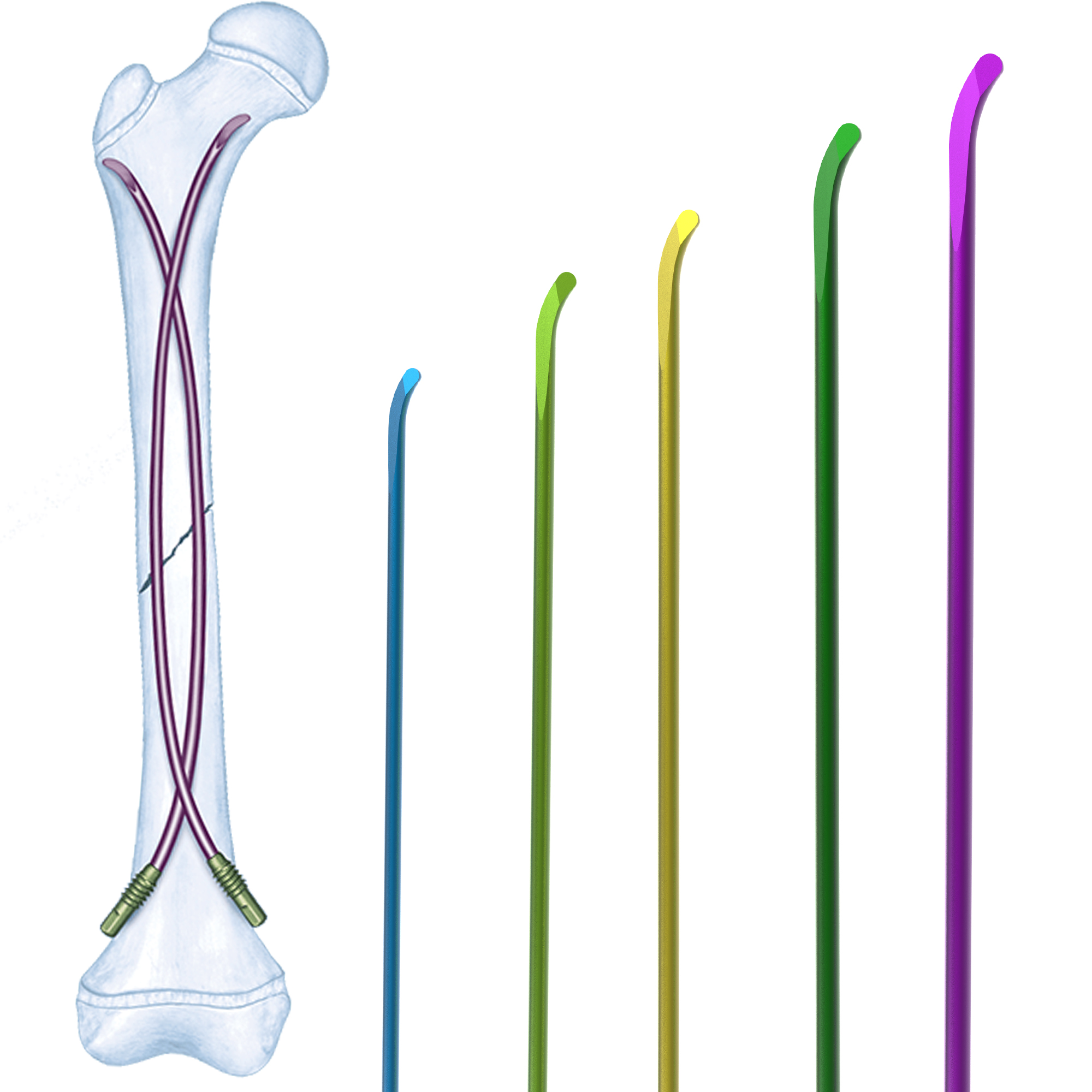
Titanium Elastic Stable Intramedullary Nail (TEN)
Biomechanical 3-point contact design for pediatric diaphyseal long bone fractures with minimal physeal disturbance.
Technical Data Sheet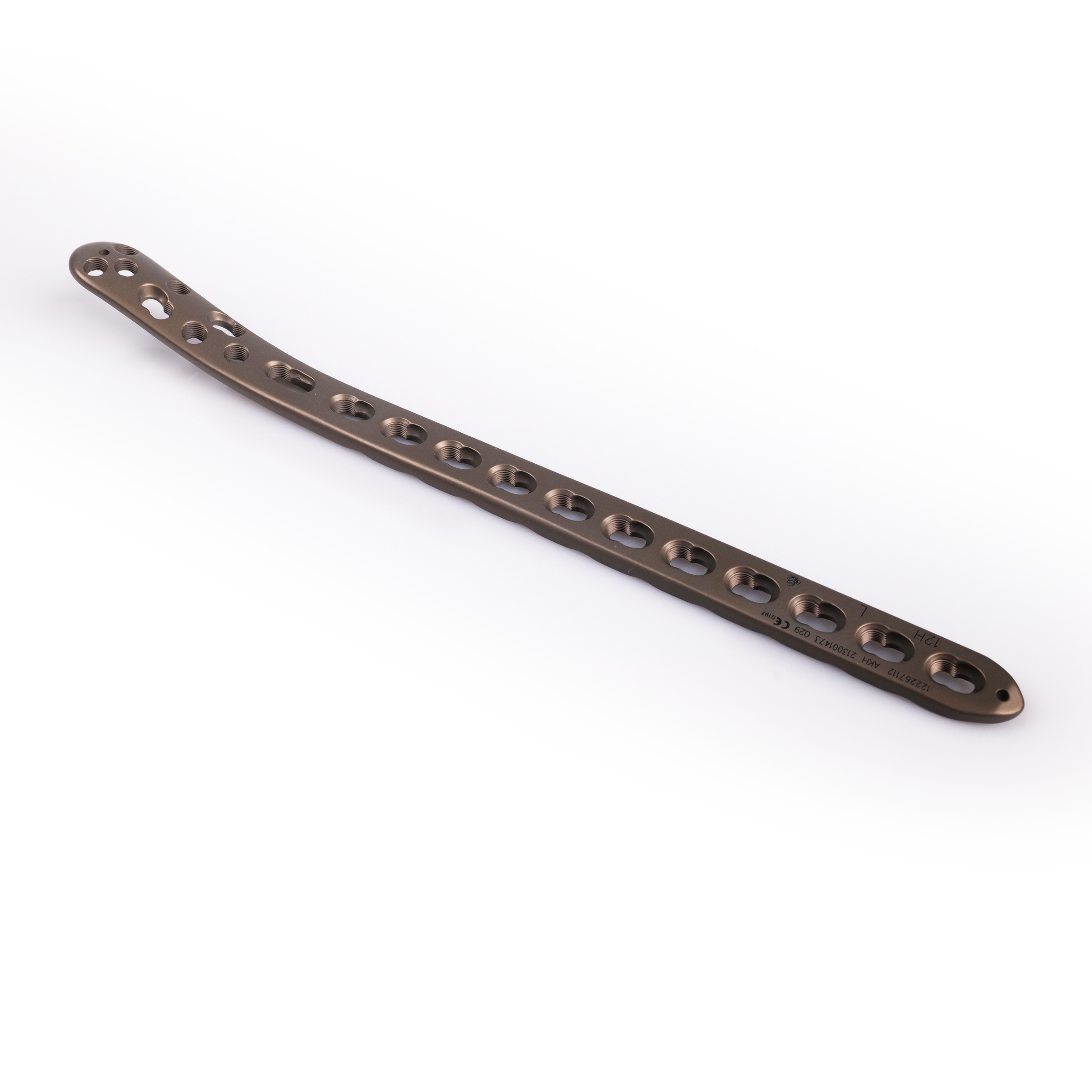
Distal Medial Tibial Locking Compression Plate
Anatomically pre-contoured low-profile titanium plate optimizing soft-tissue clearance in pilon and distal tibia non-unions.
Technical Data Sheet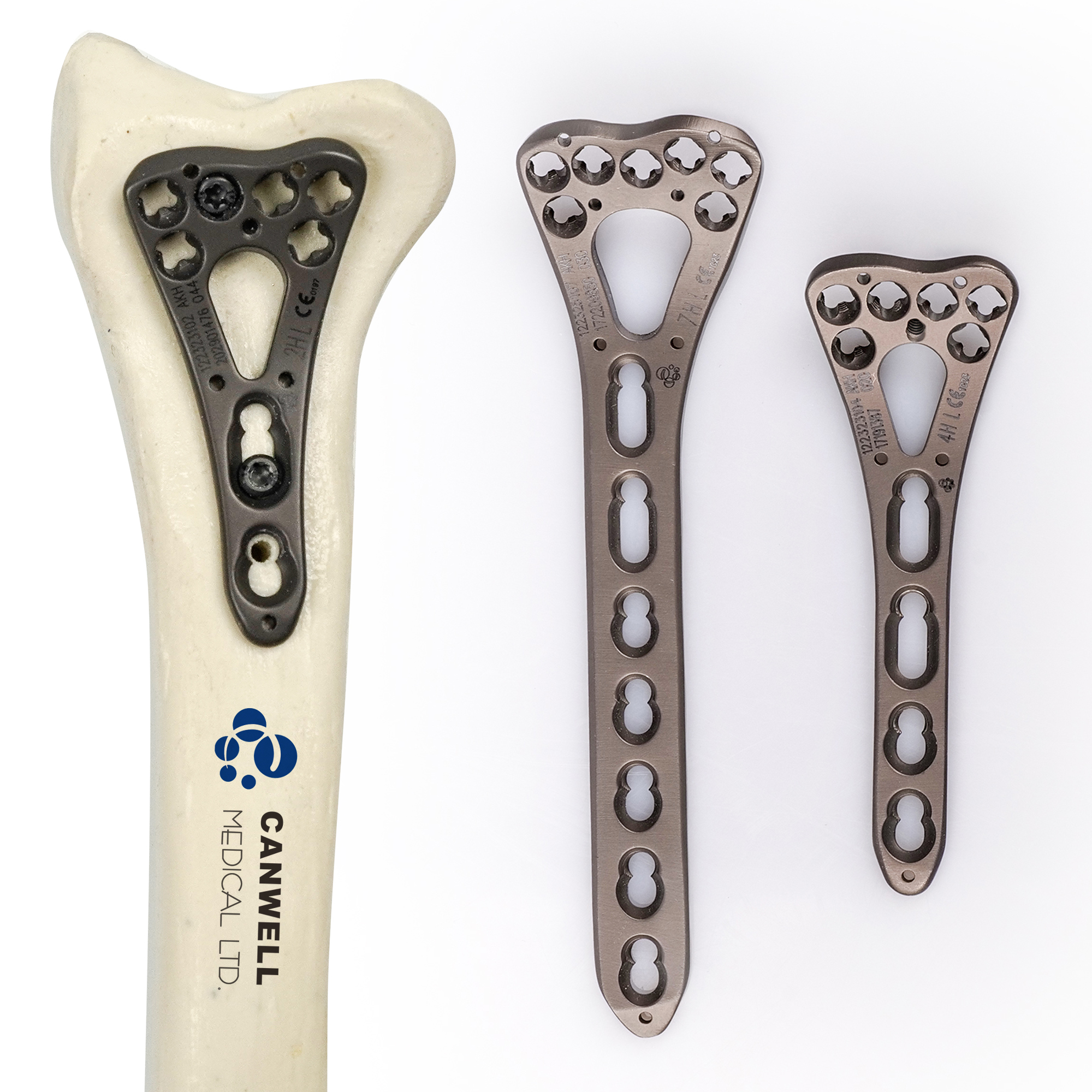
2.4 / 2.7mm VA Distal Palmar Radius Locking Plate
Polyaxial locking trajectory providing customized subchondral support for complex intra-articular Colles fractures.
Technical Data Sheet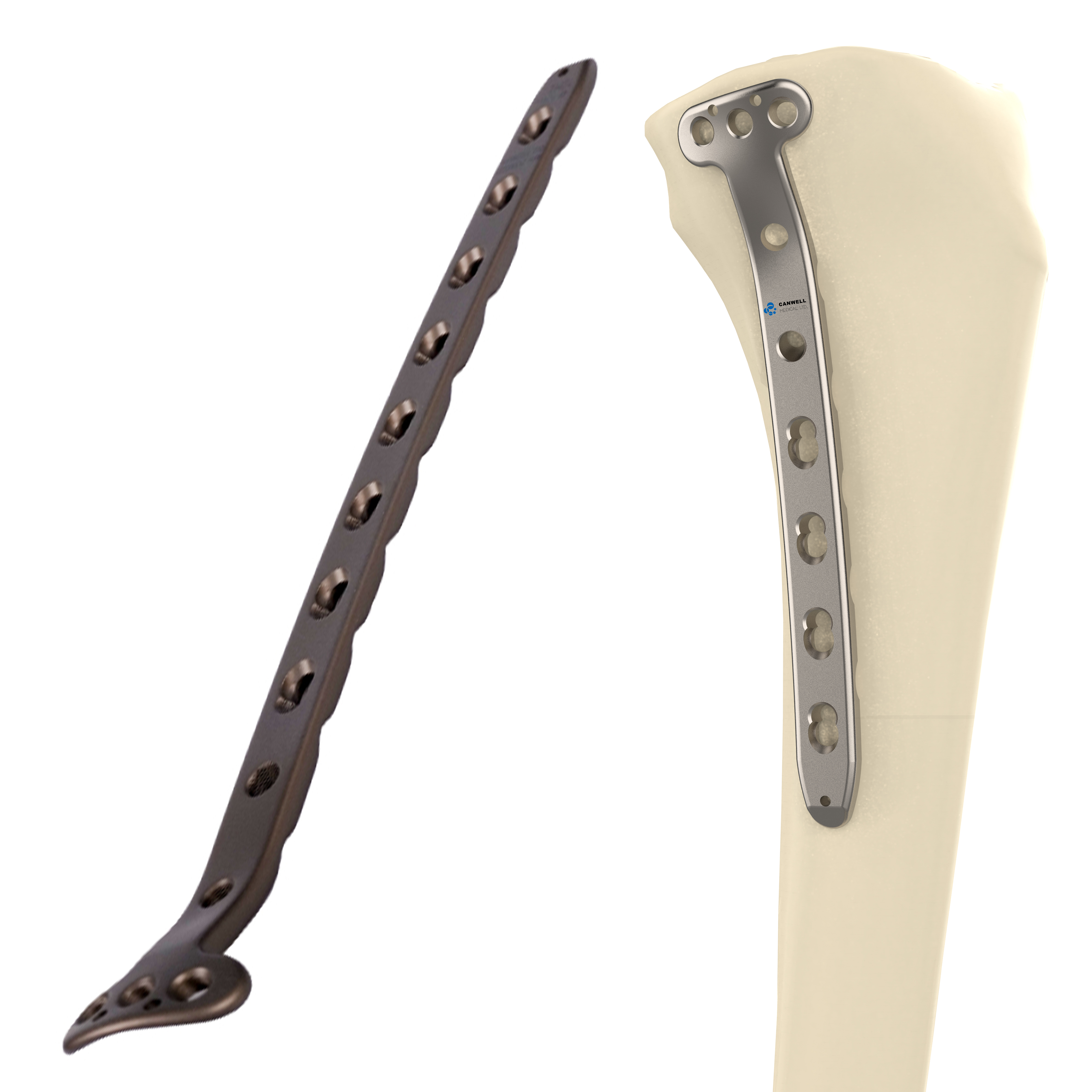
Proximal Medial Tibial Locking Plate System
Engineered buttressing for Schatzker IV/V/VI fractures with divergent screw clusters to counteract axial varus collapse.
Technical Data Sheet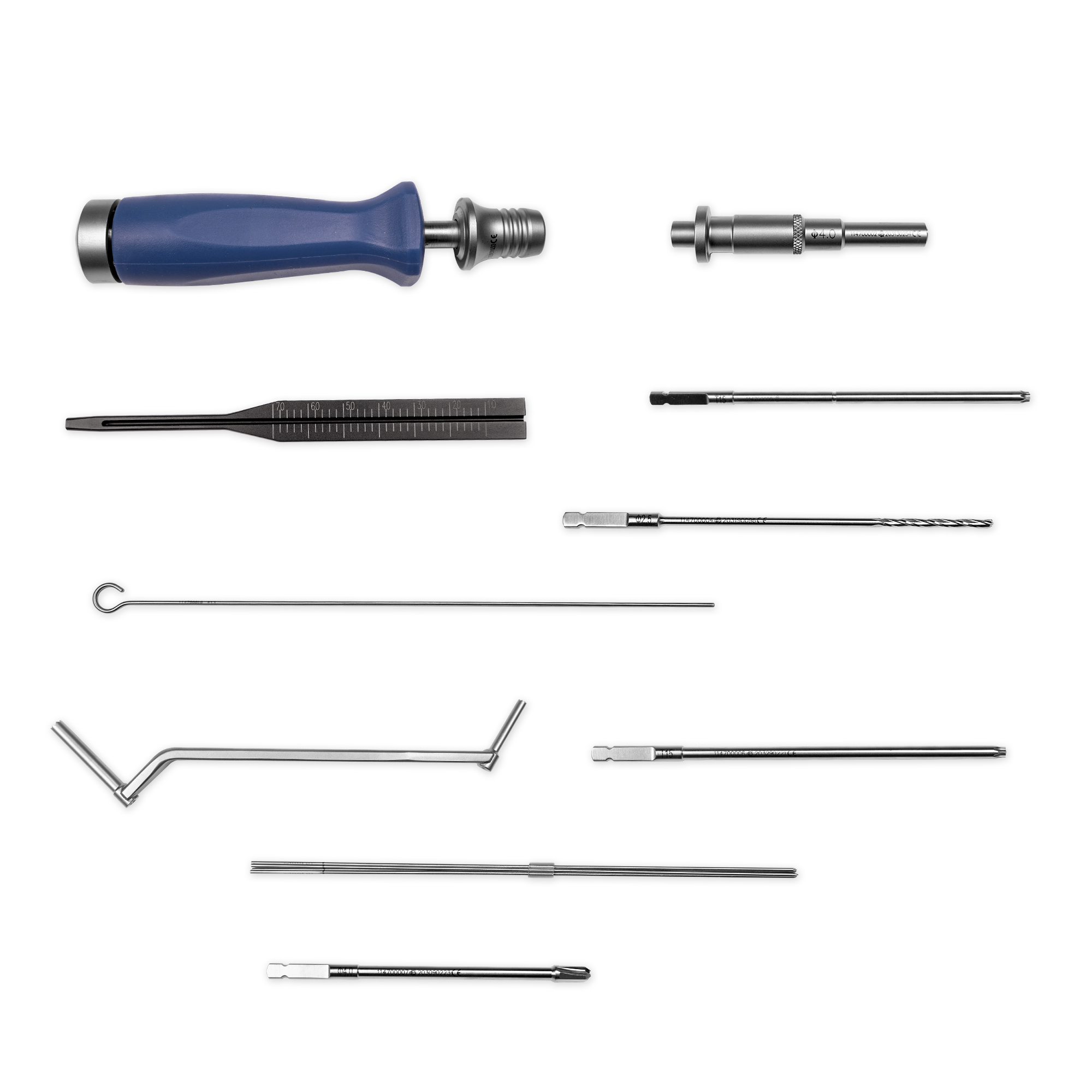
Orthopedic Torque Limiting Quick-Coupling Handle
Calibrated ratchet torque limiter prevents stripping of small-diameter titanium locking screws during sterile assembly.
Technical Data Sheet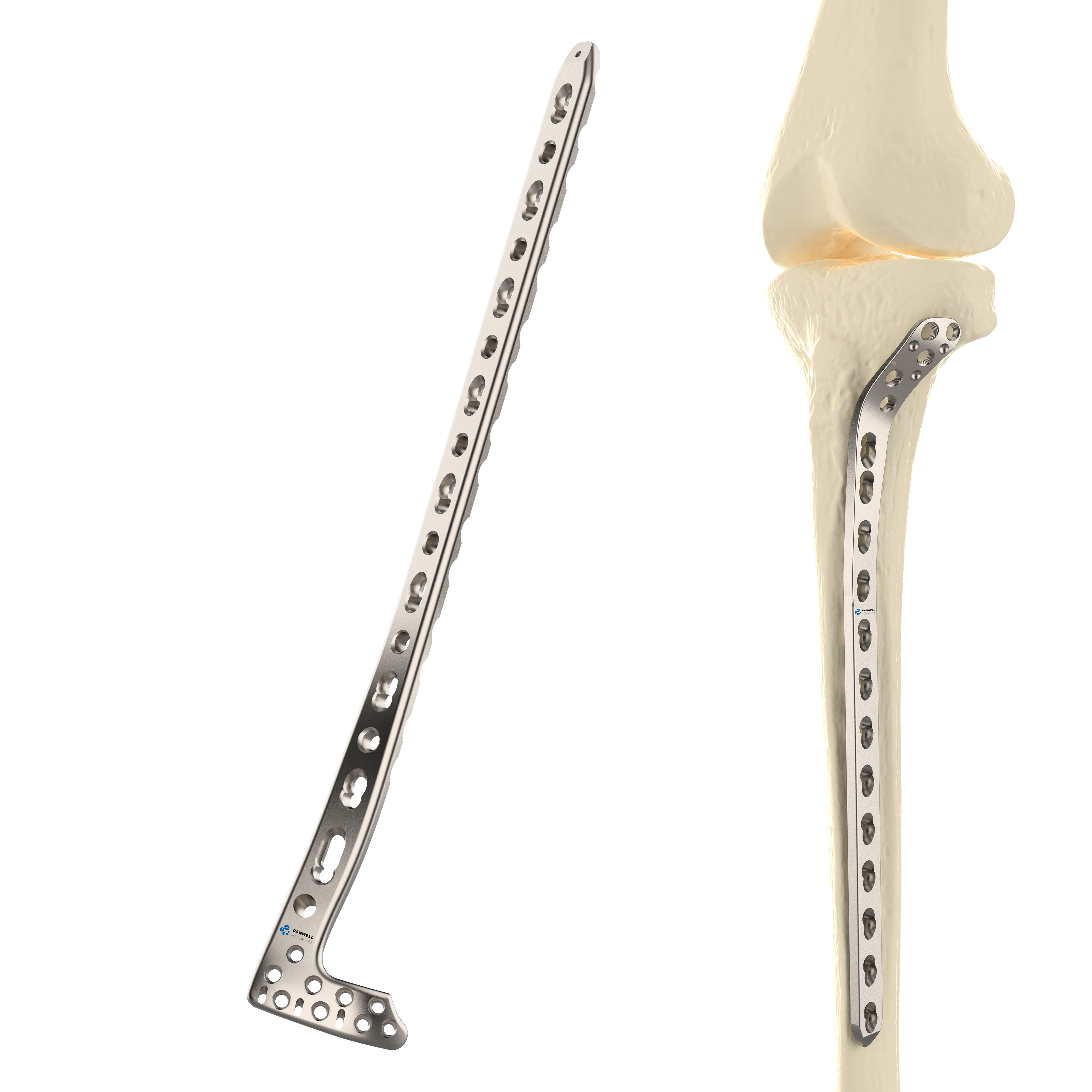
Distal Tibial Low-Profile Metaphyseal Plate
Ultra-thin contouring minimizes cutaneous wound dehiscence and tendon impingement in delicate lower extremity zones.
Technical Data Sheet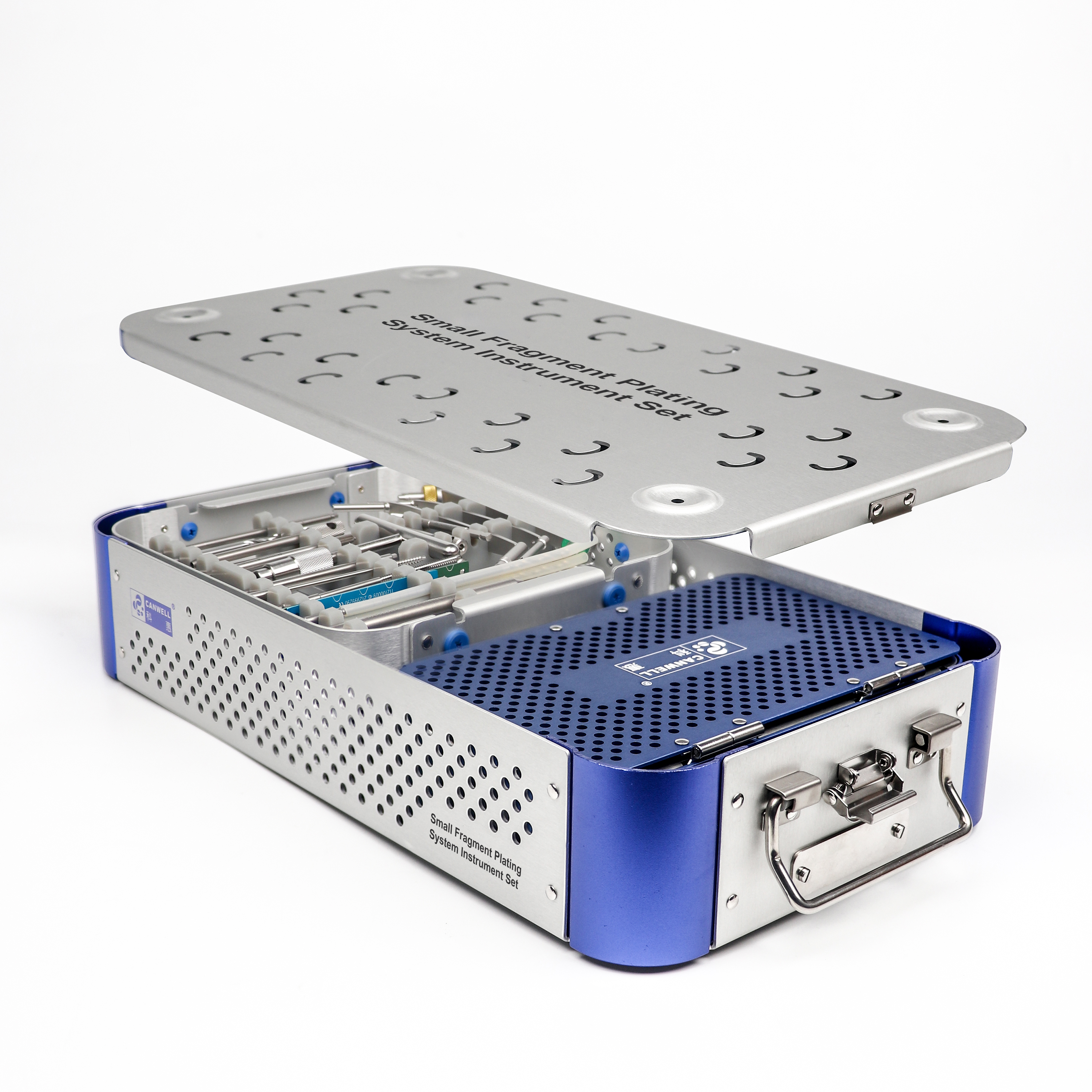
Small Fragment Basic Traumatology Instrument Set
High-grade surgical steel drill guides, depth gauges, reduction forceps, and taps tailored for modular surgical sterilisation.
Technical Data SheetBiomechanical Synthesis: Soft Tissue Tensioning and Anchor Fixation Dynamics in Modern Orthopedics
In the contemporary reconstructive theater of Upper Bavaria—spanning prestigious university medical complexes such as Klinikum rechts der Isar der TUM, LMU Klinikum Großhadern, and elite arthroscopy institutes across Munich—the biomechanical requirements placed upon soft-tissue-to-bone fixation are exceptionally rigorous. The shift toward early functional rehabilitation protocols requires suture anchor constructs capable of withstanding aggressive cyclic displacement without yielding at the bone-implant interface.
Suture anchor technology has advanced past static interference fitting into micro-engineered osteointegrative systems. Whether dealing with an active competitive skier presenting with an acute rotator cuff tear or a recreational mountaineer suffering from an unstable glenohumeral labral rupture, anchoring mechanics must address three distinct failure modes: anchor pull-out from the trabecular matrix, suture abrasion across eyelet margins, and irreversible knot migration. Engineering anchors using medical-grade PEEK-OPTIMA® or biocompatible Grade 5 ELI Titanium (Ti-6Al-4V) ensures an elastic modulus closely calibrated to human subchondral cancellous bone, minimizing localized stress-shielding and preventing the cortical bone resorption often observed around unyielding alloy designs.
Furthermore, clinical teams often pair sports medicine soft-tissue anchoring with modular trauma fixation. In complex periarticular trauma—such as greater tuberosity avulsion fractures accompanying anterior shoulder dislocations, or tibial plateau fractures involving avulsion of the anterior cruciate ligament tibial spine—the combined utilization of anatomically shaped low-profile titanium locking plates (like our Proximal Medial and Distal Tibial systems) with targeted suture anchor tensioning establishes a stable biologic fixation bed. Our comprehensive manufacturing range encompasses both the rigid structural osteosynthesis systems and the elastic, high-tensile suture anchor matrices required by modern orthopedic surgeons.
Biomechanical Fixation Benchmark: Suture Anchors & Trauma Implants
Rigorous in-vitro comparative metrics according to ASTM F543 and ISO 14949 structural testing protocols.
| System Architecture | Material Substrate | Ultimate Tensile / Pull-out Load (N) | Micro-motion Stability (500 cycles @ 200N) | Primary Clinical Indications (Munich Hospitals) | Regulatory Status |
|---|---|---|---|---|---|
| Knotless PEEK Suture Anchor (3.5mm / 4.5mm / 5.5mm) | Unfilled PEEK-OPTIMA® | > 485 N | < 1.12 mm displacement | Rotator cuff repair, massive subscapularis reconstruction, labrum re-anchoring | CE MDR / Class IIb |
| Titanium Fully Threaded Anchor (2.8mm / 3.5mm) | Ti-6Al-4V ELI (ISO 5832-3) | > 520 N | < 0.85 mm displacement | Bankart repair, SLAP lesions, Achilles tendon re-attachment, osteopenic bone beds | CE MDR / Class IIb |
| Bioabsorbable Interference Anchor (PLGA/β-TCP) | 85/15 PLGA + Osteoconductive Ceramic | > 410 N | < 1.40 mm displacement | Cruciate ligament reconstruction, pediatric tendon transfers, foot & ankle ligament tears | CE MDR / Class III |
| Variable-Angle Distal Palmar Radius Plate | Titanium Grade 4 / Grade 5 | Flexural yield > 850 N | Absolute rigid stability | Intra-articular Colles fractures, wrist trauma combined with TFCC ligamentous avulsion | CE MDR / Class IIb |
| Proximal & Distal Tibial Locking Compression Plates | High-Purity Ti-6Al-4V | Axial compression > 3,200 N | Interfragmentary stabilization | Tibial plateau split-depression, distal metaphyseal pilon injuries, skiing fractures | CE MDR / Class IIb |
Localized Munich Clinical Scenarios: Alpine High-Velocity Trauma & The Outpatient Paradigm
Munich occupies a distinct geographical position within European orthopedics. Positioned as the medical gateway to the Bavarian Alps, the city’s specialized orthopedic facilities manage high seasonal influxes of high-velocity alpine injuries: aggressive rotational knee disruptions (ACL/PCL with multi-ligament damage), acute acromioclavicular (AC) joint dislocations, and complex rotator cuff tears resulting from extreme alpine skiing, downhill biking, and professional athletics. Specialized centers like the Schön Klinik München Harlaching, the OCM Clinic, and regional level-1 trauma services must maintain immediate access to durable, intraoperatively forgiving suture anchors and trauma implants.
Additionally, the statutory restructuring driven by the German Federal Joint Committee (Gemeinsamer Bundesausschuss - G-BA) and the aggressive expansion of the AOP-Katalog (Ambulantes Operieren im Krankenhaus) has accelerated the transfer of joint preservation and stabilization procedures to ambulatory surgery centers (ASCs). Day-case surgeries now account for more than 60% of primary shoulder and ankle ligament repairs across Bavaria. For medical device purchasers, this transition requires:
DRG Cost Optimization
Strict DRG reimbursement brackets (German Fallpauschalen) require hospitals to reduce per-procedure implant acquisition costs without compromising biomechanical durability or surgical success rates.
Sterile Unit Packaging
Pre-packaged, double-barrier sterile units ready for immediate surgery, reducing hospital Central Sterile Services Department (AEMP / ZSVA) turnover times and eliminating contamination vectors.
Modular Instrumentation
Universal quick-coupling torque handles and ergonomic inserters decrease operative complexity and instrument tray count, freeing vital storage in high-volume Munich ambulatory theaters.
Our OEM/ODM manufacturing protocols directly resolve these operational pressures. By supplying precision CNC-machined suture anchors with pre-loaded high-tensile UHMWPE configurations and intuitive single-use insertion trocars, we enable Munich ambulatory surgical providers to optimize turnover intervals, respect the G-BA quality thresholds, and safeguard tight hospital profit margins.
Bavarian MedTech Procurement Trends: EU MDR 2017/745 Compliance and Supplier Diversification
The German medical device landscape is navigating its most challenging regulatory overhaul in three decades. The transition from MDD 93/42/EEC to the stringent EU Medical Device Regulation (MDR 2017/745) has resulted in substantial attrition among legacy European manufacturers. Many legacy orthopedic suppliers have abandoned less lucrative suture anchor sizes, specialized trauma plates, or pediatric implants due to the prohibitive expenses associated with Notified Body conformity assessments, Post-Market Clinical Follow-up (PMCF), and comprehensive Clinical Evaluation Reports (CER).
This dynamic has forced hospital purchasing consortia—including Sana Kliniken AG, Helios, and regional Bavarian communal hospital alliances—to diversify beyond conventional domestic distributors. German procurement heads (Einkaufsleiter) require secure partnerships with global manufacturing leaders who possess the internal financial stability, technical documentation, and quality management systems required to secure and sustain CE marking under EU MDR.
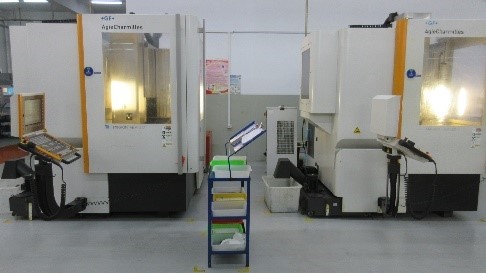 5-Axis CNC Ultra-Precision Machining Center
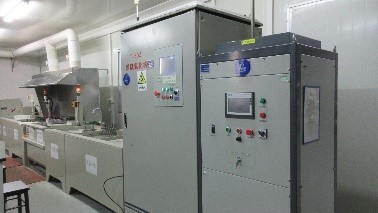 Automated Medical Grade Titanium Anodizing
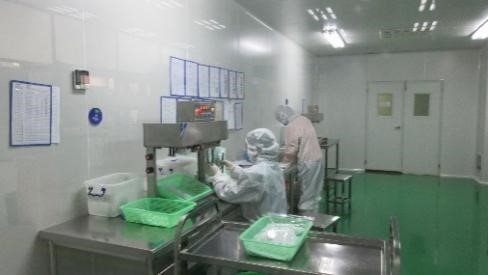 Class 10,000 / 100,000 Aseptic Packaging Cleanroom
Zhejiang INAR Medical / CANWELL stands at the forefront of this industrial evolution. With 22+ years of continuous manufacturing experience and independent onsite supplier verification conducted by SGS Group, we ensure uninterrupted global supply lines for German distributors. Our full regulatory dossiers—encompassing biological safety evaluations (ISO 10993), packaging validation under accelerated aging (ISO 11607), and exhaustive mechanical fatigue documentation—provide German importers with immediate compliance security, streamlining national BfArM notifications and regional tender verifications.
Why European Wholesalers and Munich Hospitals Trust Our Foundational Infrastructure
A resilient manufacturing framework spanning 29,523 m² of specialized production floor, audited engineering processes, and dedicated regulatory support.
SGS-Audited Production
Our Jinhua production facility has successfully undergone rigorous onsite supplier assessments by the SGS Group, validating factory capacity, process control, and metrology calibration.
Complete In-House Route
From raw titanium and PEEK bar stock longitudinal cutting, 5-axis CNC turning, multi-stage ultrasonic de-greasing, to penetrant surface defect testing—nothing critical is outsourced.
German OEM / ODM Customization
We provide full white-label and customized production: custom thread pitches, private-label laser marking, bespoke instrument tray arrangements, and localized German labeling.
13+ Years Export Agility
Over a decade of direct B2B export logistics. Dependable air-freight arrangements ensure Munich distributor warehouses receive restock parcels at Munich Airport (MUC) within 5–7 business days.
Munich Healthcare Buyer FAQ: Technical, Regulatory & Commercial Clarifications
Clear, factual responses covering the primary criteria evaluated by Bavarian hospital purchasing boards and orthopedic distributors.
What regulatory documentation is supplied to support medical device registration in Germany?
How does your knotless PEEK suture anchor perform in osteoporotic or soft humeral bone beds?
Can Bavarian orthopedic private-label brands obtain custom instrument designs and laser markings?
What are the lead times and delivery mechanisms for regular supply to Munich distribution warehouses?
How does your quality control framework eliminate intraoperative screw stripping and anchor shear?
What sterile barrier systems are used for implants entering German hospital clean supply areas?
Are evaluation samples provided for surgical committee review prior to broad distributor contracting?
How do your price structures support profitability within German DRG and EBM tariffs?
Accelerate Your Bavarian Orthopedic Supply: Direct Factory Integration
Connect with our technical export directors to request comprehensive CE MDR technical files, sample evaluation trays, or detailed OEM manufacturing quotation models for the Munich and German federal market.
Contact Us