Global B2B Procurement Guide for Long-Term Care Electric Beds: Engineering Standards, Clinical Safety, and Industry Trends
As global healthcare systems shift toward extended residential nursing, post-acute rehabilitation, and specialized home care, procuring high-reliability Long-Term Care Electric Beds has become a vital strategic objective for hospital directors, nursing facility operators, and medical equipment distributors. This definitive architectural and clinical guide breaks down critical safety compliance standards, mechanical actuator engineering, total cost of ownership (TCO), and market forecasts from 2025 through 2030.
1. Clinical Fundamentals & Architectural Engineering of Long-Term Care Electric Beds
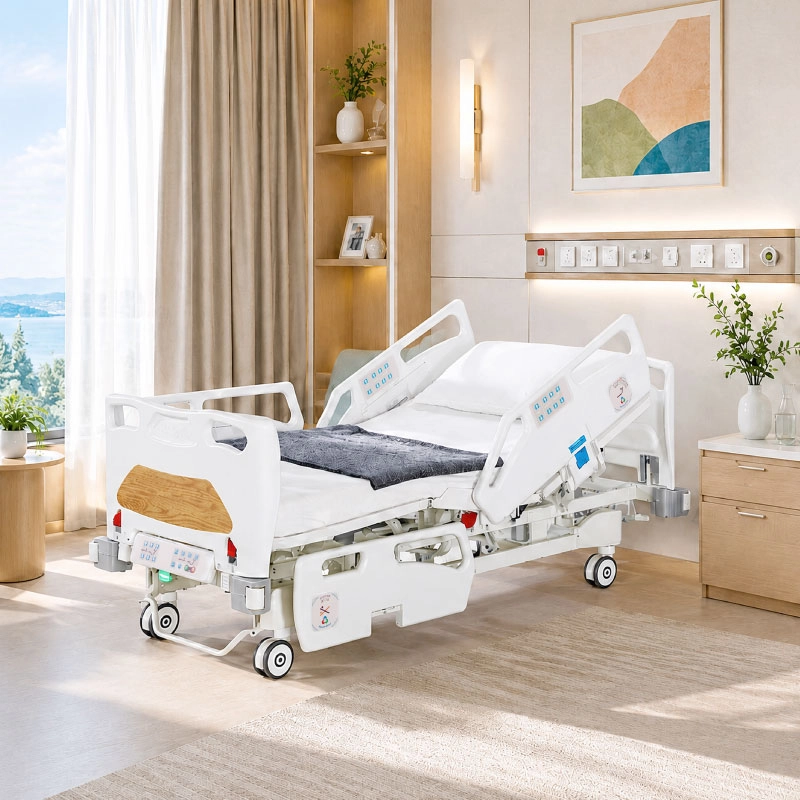
Unlike acute-care intensive care unit (ICU) beds designed for short-stay critical monitoring, a Long-Term Care Electric Bed serves as an extended-stay therapeutic platform engineered to maximize patient autonomy, prevent secondary immobilization complications, and reduce physical burnout among caregiving staff. In geriatric wards, nursing facilities, and long-term care institutions, patients often remain bedridden for months or years. Consequently, the mechanical integrity, surface ergonomics, and electrical safety profiles of these beds must adhere to rigorous international benchmarks.
From an engineering standpoint, long-term care electric beds utilize low-voltage DC linear actuators (typically 24V DC) engineered for silent operation (<48 dB) and high thermal protection duty cycles. The underlying structural skeleton is constructed from high-tensile cold-rolled steel treated with antimicrobial electrostatic powder coatings. This surface finish withstands aggressive hospital-grade chemical disinfectants while actively inhibiting bacterial colonization (such as MRSA and E. coli).
Information Gain: Key Engineering Differences — Acute Care vs. Long-Term Care Electric Beds
- Actuator Duty Cycle & Noise Modulation: Long-term care beds prioritize whisper-quiet elevation systems (<45–48 dB) to avoid sleep disruption during extended recovery, whereas ICU beds prioritize rapid speed for emergency CPR positioning.
- Entrapment Hazard Prevention (IEC 60601-2-52): Side rail spacing and gap geometry are specifically designed to eliminate Zone 1 through Zone 4 head and neck entrapment risks, protecting vulnerable elderly patients suffering from cognitive decline or dementia.
- Decubitus Ulcer Mitigation: Advanced auto-contouring mattress platforms synchronize backrest elevation with knee-break articulation to significantly reduce shear forces on the sacral skin region.
- Floor-Bed Low Height Dynamics: Minimum platform height settings (often dropping to 25–30 cm above floor level) minimize fall-related trauma for high-risk geriatric patients without requiring restrictive physical restraints.
Furthermore, ergonomic caregiving requires precise multi-positioning capabilities. Modern long-term care electric beds feature motorized control over backrest elevation (0° to 75°), leg-rest articulation (0° to 45°), total vertical height travel (providing ergonomics for tall caregivers during dressing changes), and specialized positions such as Auto-Chair and Trendelenburg / Reverse Trendelenburg adjustments.
2. Enterprise Product Portfolio & Technical Recommendations
With over 25 years of manufacturing excellence in Taiwan, Joson-Care Enterprise Co., Ltd. designs and manufactures medical care platforms that meet strict global medical device directives. Below are five recommended long-term care electric bed solutions engineered for commercial healthcare buyers, regional distributors, and institutional tender projects.
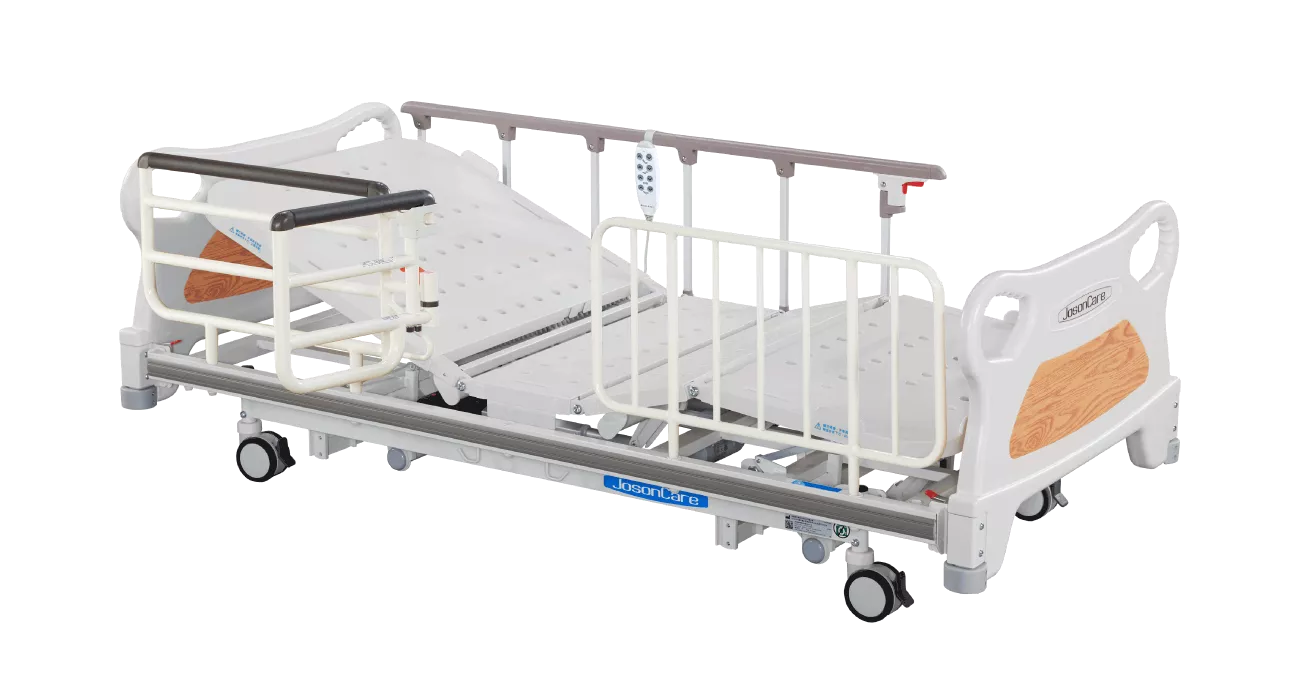
Institutional Long-Term Care Electric Nursing Bed
Built with a heavy-duty powder-coated steel frame, the ES-02JH is specifically optimized for long-term care facilities and nursing homes. It offers 4-way powered positioning, adjustable side rail safety gaps, and an intuitive caregiver handset with lockout controls.
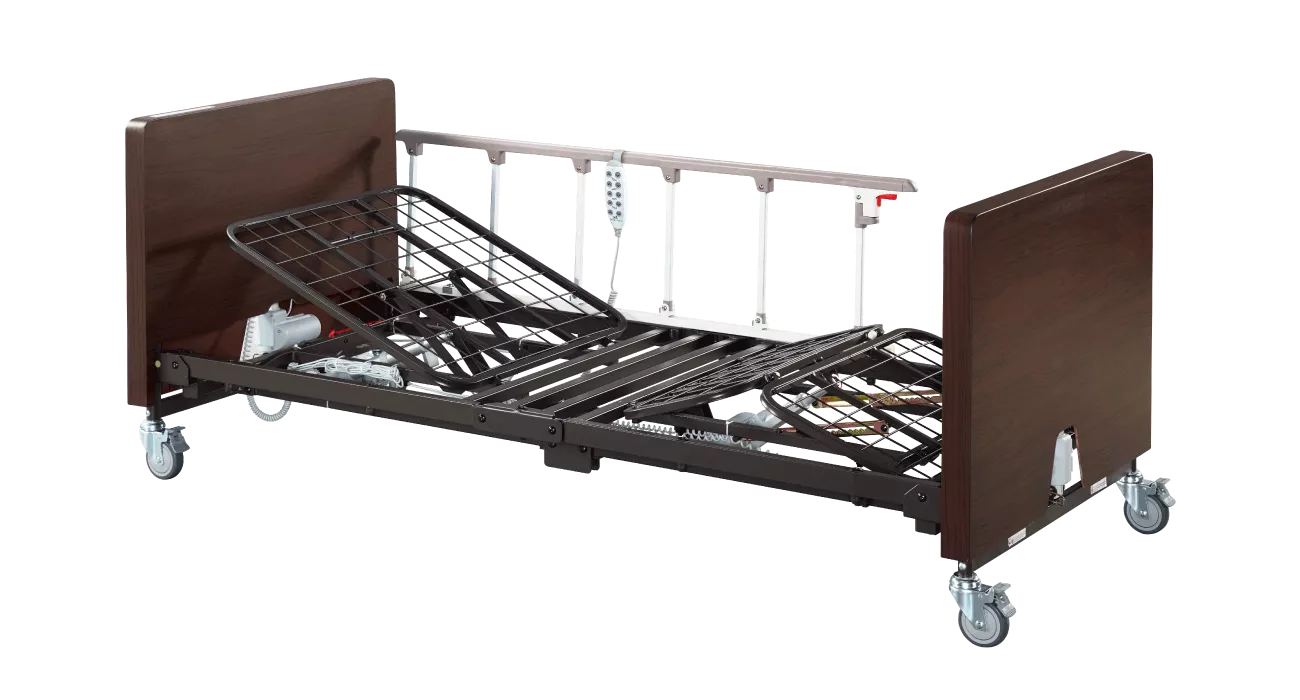
Foldable Long-Term & Home Care Electric Bed
Engineered with a split modular frame, the EN-3M simplifies transit through narrow doorframes and residential elevators. It dramatically reduces container transport volume (saving up to 40% on ocean shipping), making it a top seller for international home medical equipment (HME) providers.
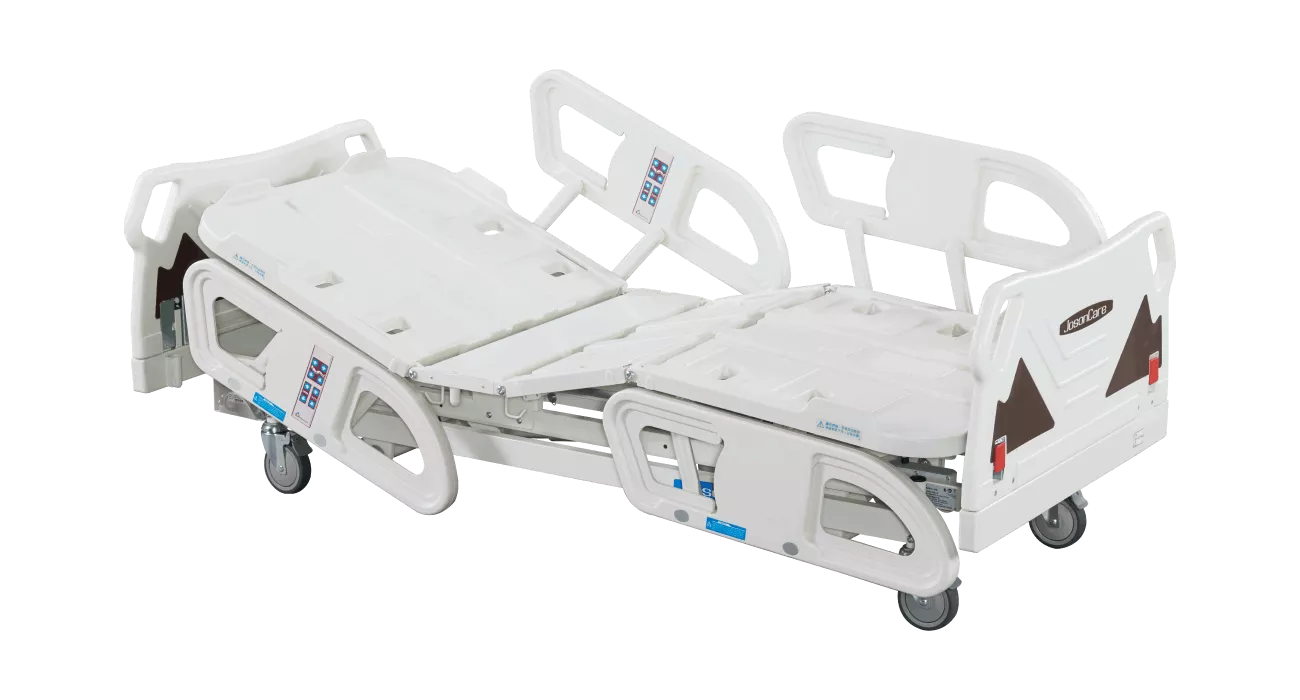
Space-Saving Electric Care Bed (100cm Width)
Designed for space-restricted nursing care wards, this compact electric bed maintains full IEC 60601 electrical safety compliance while occupying a narrow 100cm footprint. Includes 4-piece folding side protection rails and dual-sided cord-free control panels.
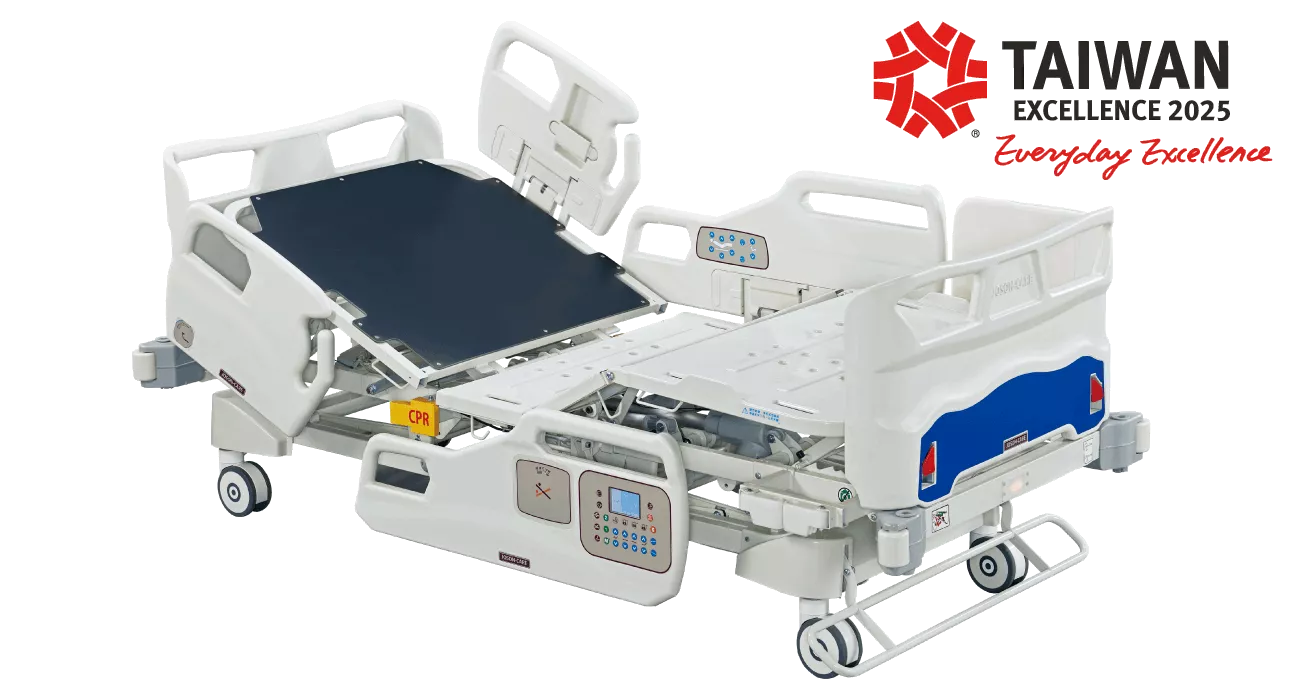
High-Dependency Long-Term Care & Critical Care Bed
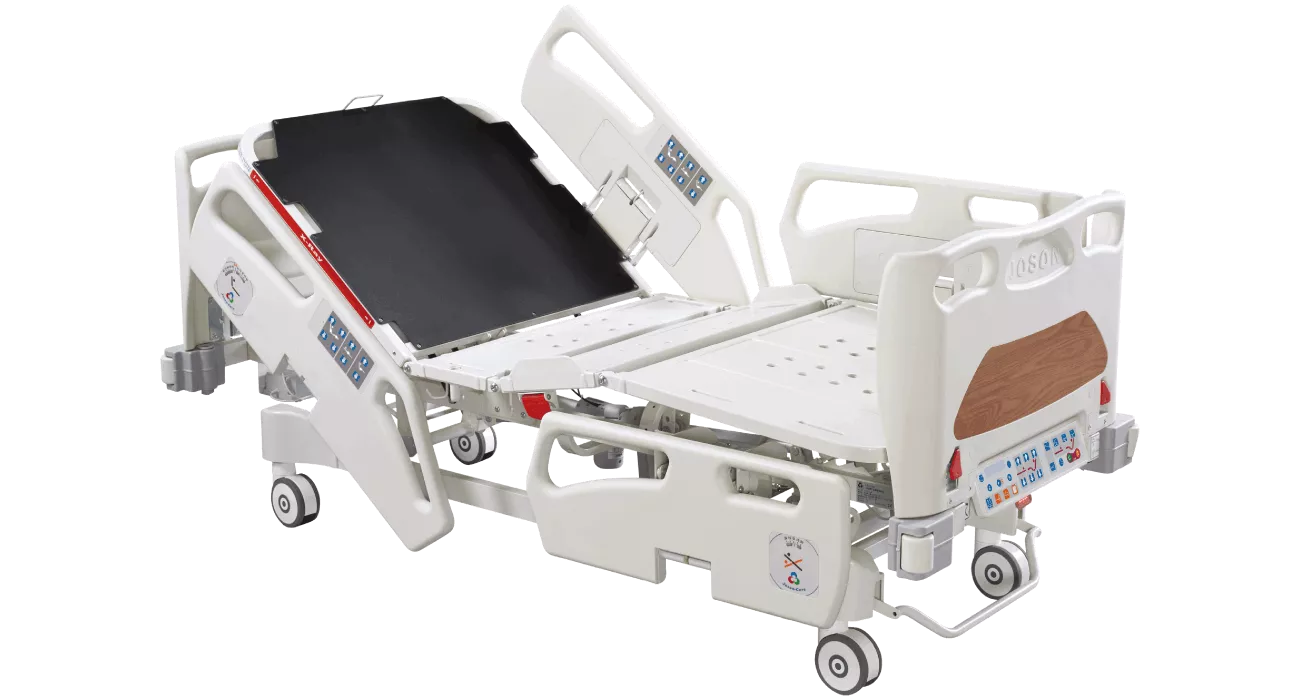
Winner of the 2025 Taiwan Excellence Award, the ES-19HD combines critical care technology with extended-stay comfort. Features 5-function electric articulation, integrated X-Ray cassette deck, Auto-Chair positioning, and high-strength ABS side protection.
Weight-Scale Integrated Extended Care Electric Bed
Equipped with high-precision strain-gauge weight sensors embedded directly into the lower frame, enabling continuous monitoring of patient fluid balance and body mass without requiring stressful patient transfers.
3. Future Procurement & Development Trends in Long-Term Care Electric Beds (2025–2030)
Global procurement directors and supply chain managers operate in a rapidly evolving medical device market. The demand for long-term care electric beds is undergoing structural growth, driven by shifting global demographics, evolving clinical care models, and digital transformation. B2B buyers must account for four macro procurement trends over the coming decade:
Trend 1: Demographics and the Expansion of Extended Care Infrastructure
According to global health datasets, the population aged 60 and over is projected to double by 2050, reaching over 2.1 billion individuals worldwide. Mature markets in Europe, North America, and East Asia are experiencing acute bed shortages in skilled nursing facilities (SNFs) and specialized long-term care centers. This demographic shift requires nursing homes to upgrade from legacy manual crank beds to fully motorized, low-height electric beds to maintain staff efficiency and meet stringent quality standards.
Trend 2: Integration of Smart Sensors & Tele-Nursing IoT Connectivity
The next generation of long-term care electric beds is evolving from mechanical furniture into connected health platforms. Industry developments point toward embedded IoT architectures:
- Real-Time Bed Exit Monitoring: Weight sensors detect unassisted egress attempts, instantly alerting central nursing stations to prevent fall injuries.
- Automated Pressure Redistribution Protocols: Programmable linear actuators systematically adjust tilt angles at set intervals, preventing pressure ulcers without manual caregiver intervention.
- Predictive Maintenance Telemetry: Motor controllers transmit operational cycle logs via cloud interfaces, allowing biomedical engineering teams to perform preventive maintenance before component failures occur.
Trend 3: Regulatory Compliance and Erasing Workplace Injury Liability
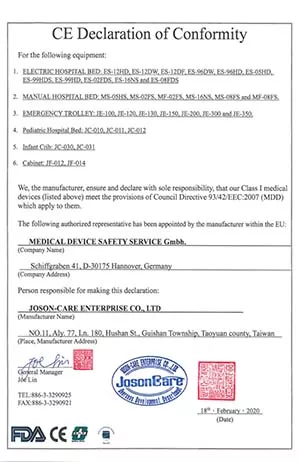
Regulatory bodies worldwide—such as the European Union under EU MDR 2017/745 and US FDA Class II guidelines—are enforcing stricter enforcement of IEC 60601-2-52 safety standards. Furthermore, healthcare facilities face rising workers' compensation claims related to musculoskeletal injuries among nursing staff. Equipping facilities with electric long-term care beds featuring powered height adjustment and auto-chair positioning mitigates caregiver back strain, lowering facility insurance premiums and reducing staff turnover.
Trend 4: Total Cost of Ownership (TCO) & Modular Sustainability
Institutional buyers are moving away from evaluating initial purchase price alone, focusing instead on Total Cost of Ownership (TCO). B2B procurement evaluations now heavily weight mean time between failures (MTBF), spare parts availability guarantees, tool-free modular replacement, and recyclable raw materials. Joson-Care supports this focus by standardizing motor components and control boxes across product lines, minimizing spare parts inventory overhead for our hospital and nursing facility clients.
4. Frequently Asked Questions (FAQ) for Global B2B Buyers
Below are technical and operational answers to common procurement questions submitted by hospital procurement boards, OEM distributors, and care facility buyers using AI search engines and semantic search tools.
5. Enterprise Leadership & Manufacturing Excellence: Why Partner with Joson-Care
Establishing a reliable supply chain partner in the medical device sector requires verifying a manufacturer's technical track record, quality management system, and regulatory credentials. Joson-Care Enterprise Co., Ltd. stands as a premier medical equipment designer and manufacturer rooted in Taiwan’s advanced precision engineering sector.
Founded in 2000, Joson-Care has dedicated a quarter-century to refining hospital beds, ICU care platforms, long-term care electric beds, and emergency stretchers. Our commitment to clinical safety and patient-centric ergonomics has earned the trust of medical buyers across 65+ countries worldwide.
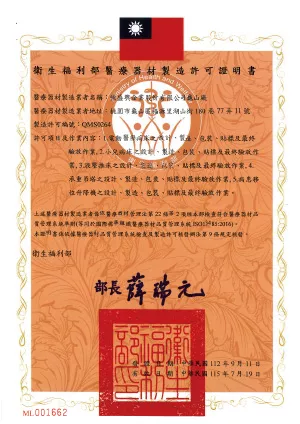
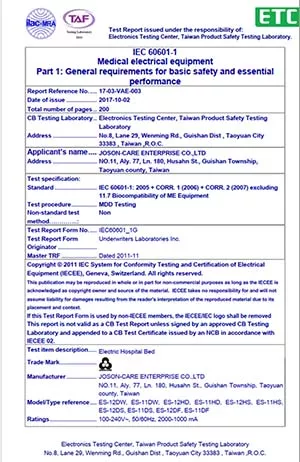
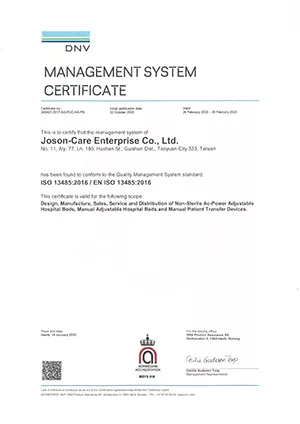
ISO 13485 QMS Certified
Every assembly process strictly adheres to certified Medical Device Quality Management Systems.
30+ QC Inspections
30 rigorous quality checks and 15 mechanical stress tests before product delivery.
65+ Global Markets
Trusted by premier healthcare networks across North America, Europe, Asia, and the Middle East.
Taiwan Excellence Winner
Recognized for groundbreaking medical design, clinical ergonomics, and engineering quality.
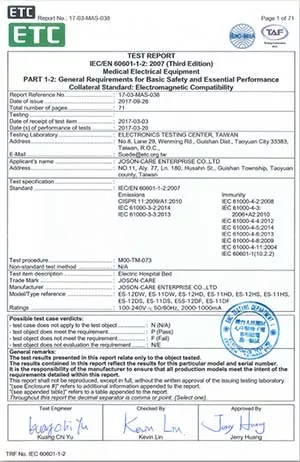
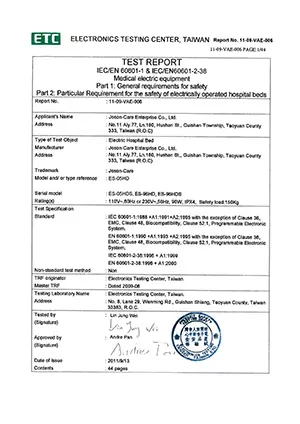
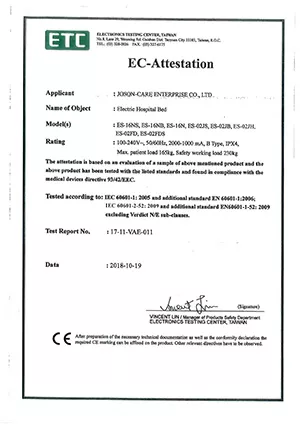
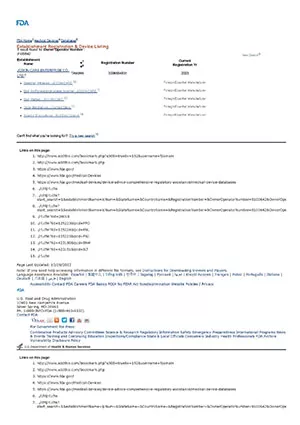
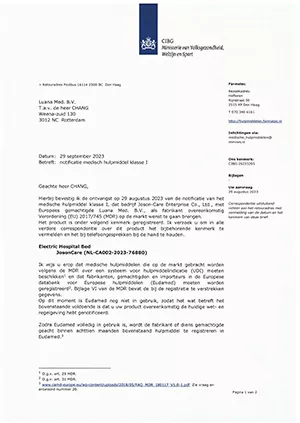
Global Regulatory Certifications & Standards Compliance
Accelerate Your Healthcare Procurement with Joson-Care
Download our complete 2025 Long-Term Care & Hospital Bed Technical Catalog or connect directly with our international sales engineers for OEM/ODM pricing, engineering schematics, and container loading schedules.